Genre
french opera
Top French opera Artists
Showing 15 of 15 artists


About French opera
French opera is the distinctive tradition of opera written in the French language, rooted in Paris and spanning from the 17th century to today. It encompasses grand, ritualized forms as well as intimate, spoken-dialogue pieces, and it has shaped how composers think about drama, text, and orchestration in the operatic medium.
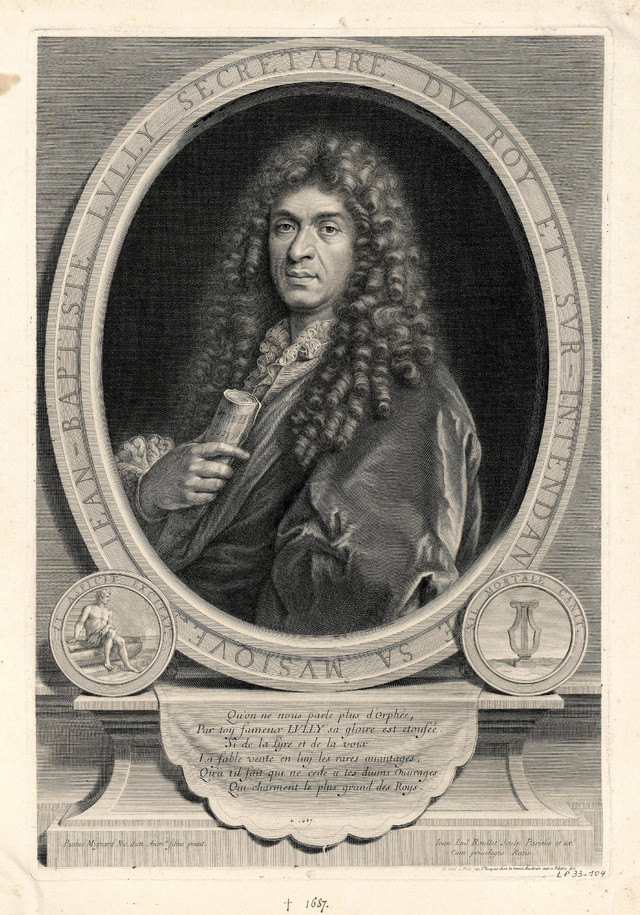
The birth of French opera is often traced to the court of Louis XIV, when Jean-Baptiste Lully and librettists like Philippe Quinault created tragédie en musique or baroque tragedy lyrique. From the 1670s on, Lully’s works—such as Atys (1676) and Armide (1686)—set a template in which dance, spectacle, and a declamatory French style of singing supported a tightly integrated drama. This became the core of the Paris Opera (Académie Royale de Musique) and the French operatic language for generations.
The 18th century brought a flourishing of stylistic variety. Jean-Philippe Rameau expanded the expressive palette with vibrant orchestration and daring harmony in works like Hippolyte et Aricie (1733) and Les Indes Galantes (1735). His operatic language helped cement a uniquely French sound—clear diction, refined recitative, and continued integration of ballet with drama. Opera in France also diversified with forms such as opéra comique, which favored spoken dialogue and lighter or more domestic themes, alongside the more spectacular grand-opéra.
French reformist currents arrived from Gluck, who, in Paris during the 1770s, helped redefine French opera away from pure spectacle toward more natural drama and expressive clarity. His French works—Alceste (1776) and the Parisian Orphée et Eurydice (1774)—emphasized swift musical drama and dramatic truth, influencing generations of composers who followed.
The 19th century is often described as the era of grand opera in France, with monumental scores and spectacular stages in Paris. French composers such as Berlioz (whose Les Troyens represents one of the pinnacle Romantic ops), Gounod (Faust, 1859), Bizet (Carmen, 1875), Massenet (Manon, Werther), and Delibes (Lakmé) expanded the repertoire with richly drawn characters, lush orchestration, and memorable arias. This period also saw Parisian institutions like the Opéra and the Opéra-Comique shaping the repertoire and performance culture that defined French opera at home and abroad.
In the 20th century, French opera embraced symbolism and modern harmony. Claude Debussy’s Pelléas et Mélisande (1902) offered a luminous, restrained, symbolist take on opera that departed from conventional lyricism. Francis Poulenc brought a brisk, modern voice with Dialogues des Carmélites (1957), blending moral drama with crisp, contemporary musical language. The French tradition remains remarkably alive, continually renewing itself through living composers who sing in French while drawing on a vast historical lineage.
Geographically, French opera remains strongest in France, especially Paris, with historic institutions such as the Paris Opera and Opéra-Comique. It also has a robust presence in francophone regions: Belgium, Switzerland, and Canada (notably Quebec), as well as in other countries where French language and culture are influential. For enthusiasts, French opera offers a spectrum—from the ritual drama of Lully and Berlioz to the intimate symbolist world of Debussy and the sharp modern idiom of Poulenc—making it one of the most literate and theatrically sophisticated branches of the art form.
The birth of French opera is often traced to the court of Louis XIV, when Jean-Baptiste Lully and librettists like Philippe Quinault created tragédie en musique or baroque tragedy lyrique. From the 1670s on, Lully’s works—such as Atys (1676) and Armide (1686)—set a template in which dance, spectacle, and a declamatory French style of singing supported a tightly integrated drama. This became the core of the Paris Opera (Académie Royale de Musique) and the French operatic language for generations.
The 18th century brought a flourishing of stylistic variety. Jean-Philippe Rameau expanded the expressive palette with vibrant orchestration and daring harmony in works like Hippolyte et Aricie (1733) and Les Indes Galantes (1735). His operatic language helped cement a uniquely French sound—clear diction, refined recitative, and continued integration of ballet with drama. Opera in France also diversified with forms such as opéra comique, which favored spoken dialogue and lighter or more domestic themes, alongside the more spectacular grand-opéra.
French reformist currents arrived from Gluck, who, in Paris during the 1770s, helped redefine French opera away from pure spectacle toward more natural drama and expressive clarity. His French works—Alceste (1776) and the Parisian Orphée et Eurydice (1774)—emphasized swift musical drama and dramatic truth, influencing generations of composers who followed.
The 19th century is often described as the era of grand opera in France, with monumental scores and spectacular stages in Paris. French composers such as Berlioz (whose Les Troyens represents one of the pinnacle Romantic ops), Gounod (Faust, 1859), Bizet (Carmen, 1875), Massenet (Manon, Werther), and Delibes (Lakmé) expanded the repertoire with richly drawn characters, lush orchestration, and memorable arias. This period also saw Parisian institutions like the Opéra and the Opéra-Comique shaping the repertoire and performance culture that defined French opera at home and abroad.
In the 20th century, French opera embraced symbolism and modern harmony. Claude Debussy’s Pelléas et Mélisande (1902) offered a luminous, restrained, symbolist take on opera that departed from conventional lyricism. Francis Poulenc brought a brisk, modern voice with Dialogues des Carmélites (1957), blending moral drama with crisp, contemporary musical language. The French tradition remains remarkably alive, continually renewing itself through living composers who sing in French while drawing on a vast historical lineage.
Geographically, French opera remains strongest in France, especially Paris, with historic institutions such as the Paris Opera and Opéra-Comique. It also has a robust presence in francophone regions: Belgium, Switzerland, and Canada (notably Quebec), as well as in other countries where French language and culture are influential. For enthusiasts, French opera offers a spectrum—from the ritual drama of Lully and Berlioz to the intimate symbolist world of Debussy and the sharp modern idiom of Poulenc—making it one of the most literate and theatrically sophisticated branches of the art form.