Genre
gengetone
Top Gengetone Artists
Showing 25 of 557 artists
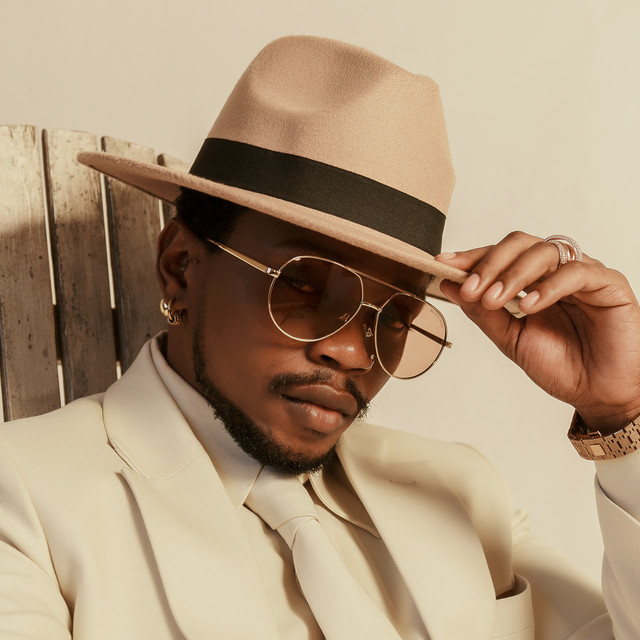

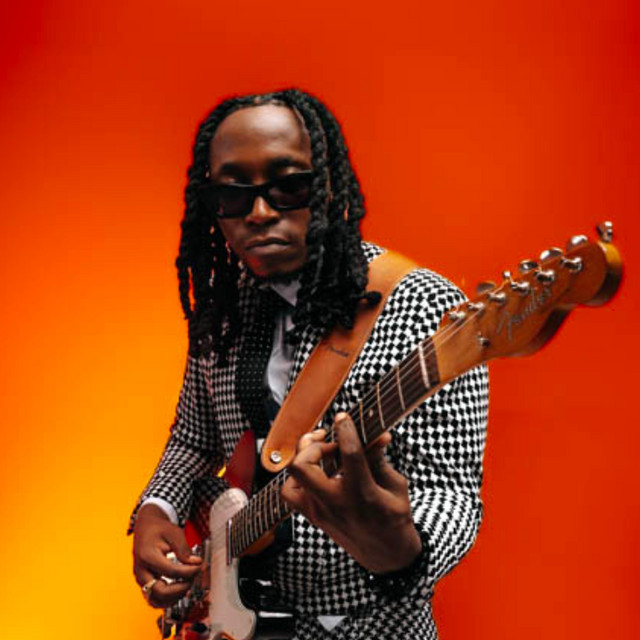

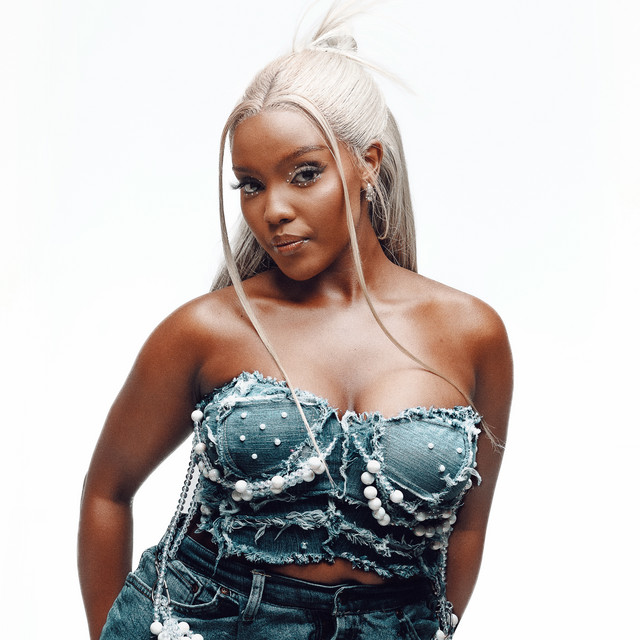










About Gengetone
Gengetone is the loud, infectious heartbeat of contemporary Kenyan hip‑hop. Born in Nairobi’s urban circuits in the late 2010s, it built on the snap and swagger of the historic Genge scene, but retooled it with faster flows, punchy punchlines, Sheng-heavy Swahili, and trap‑ influenced production. The result is a party‑driven, danceable sound that thrives on call‑and‑response hooks, witty wordplay, and a fearless, almost carnival energy.
Origins and evolution
Gengetone emerged from Nairobi’s street culture and the wider Kenyan rap community as artists experimented with new slang, melodic hooks, and high‑tempo beats. It spread quickly online—YouTube, streaming platforms, and social media helped propagate tracks beyond local neighborhoods—turning a regional slang‑driven style into a national movement. While its roots lie in the Genge diaspora of the early 2000s, Gengetone distinguishes itself with denser vocal cadences, punchy choruses, and a more explicitly party‑centered, often irreverent lyrical approach. Over time, the sound has diversified: some tracks stay light and comedic, others push sharper social commentary or more melodic, hybrid textures.
Sound and structure
Gengetone songs typically ride bouncy, bass‑forward beats that blend Kenyan urban sensibilities with global trap, dancehall, and afrobeat tempos. Lyrics lean heavily on Sheng and Swahili, peppered with local references, street slang, and playful boasts. The genre favors catchy choruses, rapid-fire verses, and crowd‑pleasing chant moments that invite dancing and swarming energy. While some songs flirt with provocative or explicit content, the movement as a whole has grown to embrace a wider emotional range and more polished production as it matured.
Key artists and ambassadors
- Ethic Entertainment is widely cited as a pioneer force in Gengetone, helping to popularize the sound and set its early template.
- Boondocks Gang became one of the prominent early‑to‑mid generation acts that helped push Gengetone into mainstream visibility.
- Mbogi Genje represents a newer wave that sustained the genre’s visibility in the 2020s, contributing to its evolving sound and regional appeal.
- Femi One is often noted for bringing a bold female voice into the Gengetone orbit, helping diversify the movement and broaden its audience.
Geography and audience
Gengetone is overwhelmingly Kenyan in origin and popularity, with Nairobi and other major Kenyan cities acting as primary hubs. It has a strong East African footprint and has attracted listeners in neighboring countries such as Uganda, Tanzania, Rwanda, and beyond, largely through cross‑border collaborations and diaspora networks. The Kenyan diaspora in the United States, United Kingdom, Canada, and parts of Europe has helped spread Gengetone to new listeners who crave its high‑energy, tail‑shaking vibe. In recent years, the genre has also provoked discussions about representation, content, and the balance between raw street energy and broader accessibility.
Cultural impact
Gengetone has influenced dance moves, fashion, and slang, becoming a cultural shorthand for Nairobi’s contemporary urban youth. It has sparked conversations about authenticity, commercialization, and the balance between provocative lyrics and mainstream acceptance. For enthusiasts, Gengetone offers a lens into a vibrant, fast‑evolving scene: a fusion of local linguistics and global beat sensibilities, bound together by a celebratory, unfiltered spirit.
In short, Gengetone is a living, evolving snapshot of Kenya’s street‑level creativity—high‑tempo, playful, and relentlessly energetic, with roots that trace back to Genge and a future that keeps expanding.
Origins and evolution
Gengetone emerged from Nairobi’s street culture and the wider Kenyan rap community as artists experimented with new slang, melodic hooks, and high‑tempo beats. It spread quickly online—YouTube, streaming platforms, and social media helped propagate tracks beyond local neighborhoods—turning a regional slang‑driven style into a national movement. While its roots lie in the Genge diaspora of the early 2000s, Gengetone distinguishes itself with denser vocal cadences, punchy choruses, and a more explicitly party‑centered, often irreverent lyrical approach. Over time, the sound has diversified: some tracks stay light and comedic, others push sharper social commentary or more melodic, hybrid textures.
Sound and structure
Gengetone songs typically ride bouncy, bass‑forward beats that blend Kenyan urban sensibilities with global trap, dancehall, and afrobeat tempos. Lyrics lean heavily on Sheng and Swahili, peppered with local references, street slang, and playful boasts. The genre favors catchy choruses, rapid-fire verses, and crowd‑pleasing chant moments that invite dancing and swarming energy. While some songs flirt with provocative or explicit content, the movement as a whole has grown to embrace a wider emotional range and more polished production as it matured.
Key artists and ambassadors
- Ethic Entertainment is widely cited as a pioneer force in Gengetone, helping to popularize the sound and set its early template.
- Boondocks Gang became one of the prominent early‑to‑mid generation acts that helped push Gengetone into mainstream visibility.
- Mbogi Genje represents a newer wave that sustained the genre’s visibility in the 2020s, contributing to its evolving sound and regional appeal.
- Femi One is often noted for bringing a bold female voice into the Gengetone orbit, helping diversify the movement and broaden its audience.
Geography and audience
Gengetone is overwhelmingly Kenyan in origin and popularity, with Nairobi and other major Kenyan cities acting as primary hubs. It has a strong East African footprint and has attracted listeners in neighboring countries such as Uganda, Tanzania, Rwanda, and beyond, largely through cross‑border collaborations and diaspora networks. The Kenyan diaspora in the United States, United Kingdom, Canada, and parts of Europe has helped spread Gengetone to new listeners who crave its high‑energy, tail‑shaking vibe. In recent years, the genre has also provoked discussions about representation, content, and the balance between raw street energy and broader accessibility.
Cultural impact
Gengetone has influenced dance moves, fashion, and slang, becoming a cultural shorthand for Nairobi’s contemporary urban youth. It has sparked conversations about authenticity, commercialization, and the balance between provocative lyrics and mainstream acceptance. For enthusiasts, Gengetone offers a lens into a vibrant, fast‑evolving scene: a fusion of local linguistics and global beat sensibilities, bound together by a celebratory, unfiltered spirit.
In short, Gengetone is a living, evolving snapshot of Kenya’s street‑level creativity—high‑tempo, playful, and relentlessly energetic, with roots that trace back to Genge and a future that keeps expanding.