Genre
gospel soul
Top Gospel soul Artists
Showing 25 of 56 artists







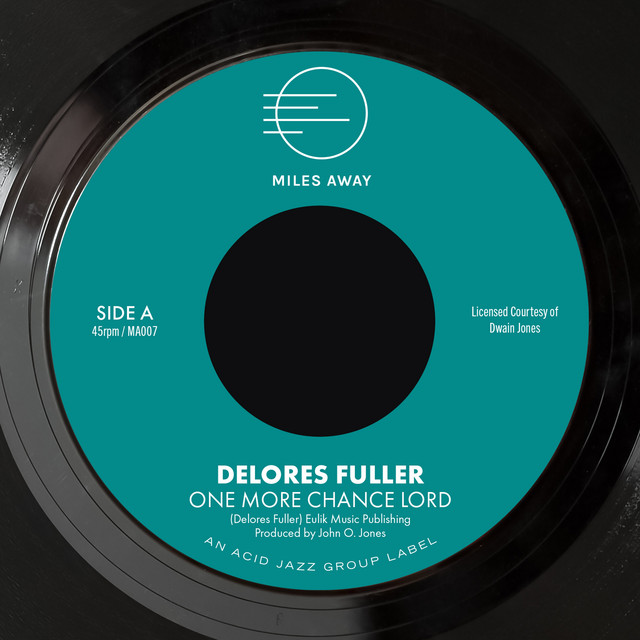
About Gospel soul
Gospel soul is a fusion of hymnal warmth and church-driven intensity with the sly, irresistible groove of soul music. It takes the spiritual vocal fervor and gospel call-and-response traditions and outfits them with the melodies, phrasing, and rhythm sections that defined mid-20th-century R&B. The result is music that feels both elevating and club-ready—praise and pulse in the same measure.
The genre’s seeds lie in the United States during the 1950s and 1960s, a period when gospel vocal groups and soloists began crossing over into the secular market without losing the gospel fire. A landmark moment came with the Edwin Hawkins Singers and the 1969 crossover smash Oh Happy Day, a 1967 church arrangement that climbed pop charts and helped bring gospel-soul sensibilities to a broader audience. Parallel currents ran through artists who started in gospel and moved toward soul: Ray Charles blended gospel-honed phrasing with secular swing; Sam Cooke transitioned from celebrated gospel singer to soul-pop icon, scoring with You Send Me and A Change Is Gonna Come while carrying gospel-inflected vocal lift into mainstream soul. Aretha Franklin—often described as the Queen of Soul—was rooted in gospel from her Detroit church days, and her later work fused spiritual gravitas with R&B melodicism, culminating in landmark gospel-infused albums like Amazing Grace (1972). These paths converged into a durable vocabulary: gospel-stoked vocal runs, piano and organ-driven church textures, choir harmonies, and a groove-first approach that keeps listeners moving while moved.
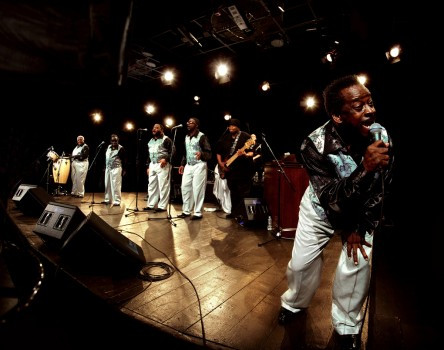
In performance, gospel soul is as much about the voice as the arrangement. Singers deploy extended melismas, piercing top notes, and dynamic shifts that recreate sermon-like drama within a groove. The instrumentation often features the stalwarts of soul bands—electric guitar, Hammond or piano, a tight rhythm section, and horns—paired with choirs or powerful soloists. The result is a sound that can feel exhortational and intimate in one breath, capable of both ecstatic praise and intimate confession.
Key ambassadors of the style include Aretha Franklin, Ray Charles, Sam Cooke, the Edwin Hawkins Singers, and the Staple Singers, who braided gospel theology with secular timbre and texture. Al Green’s late-1960s to early-1970s there-and-back approach—church-tinged ballads and gritty soul groovers—also sits squarely in the gospel-soul continuum. These artists didn’t just sell records; they expanded the audience for gospel by proving that spiritual music could carry the weight and charisma of soul music, and vice versa.
Globally, gospel soul remains most deeply rooted in the United States, where church culture and the civil rights era gave it special resonance. It also found receptive air in the United Kingdom’s growing soul scene and in markets where gospel-inflected pop and indie-soul acts found audiences. Today, enthusiastic listeners worldwide celebrate its power to move bodies and uplift spirits at once.
If you’re exploring gospel soul as a listener, seek out the decisive crossovers—the church-rooted intensity of traditional gospel filtered through the swing and polish of soul, and the moments when a sermon-like vocal ascends into a chorus that keeps your feet tapping even as your heart lifts. It’s a genre built for both reflection and release.
The genre’s seeds lie in the United States during the 1950s and 1960s, a period when gospel vocal groups and soloists began crossing over into the secular market without losing the gospel fire. A landmark moment came with the Edwin Hawkins Singers and the 1969 crossover smash Oh Happy Day, a 1967 church arrangement that climbed pop charts and helped bring gospel-soul sensibilities to a broader audience. Parallel currents ran through artists who started in gospel and moved toward soul: Ray Charles blended gospel-honed phrasing with secular swing; Sam Cooke transitioned from celebrated gospel singer to soul-pop icon, scoring with You Send Me and A Change Is Gonna Come while carrying gospel-inflected vocal lift into mainstream soul. Aretha Franklin—often described as the Queen of Soul—was rooted in gospel from her Detroit church days, and her later work fused spiritual gravitas with R&B melodicism, culminating in landmark gospel-infused albums like Amazing Grace (1972). These paths converged into a durable vocabulary: gospel-stoked vocal runs, piano and organ-driven church textures, choir harmonies, and a groove-first approach that keeps listeners moving while moved.
In performance, gospel soul is as much about the voice as the arrangement. Singers deploy extended melismas, piercing top notes, and dynamic shifts that recreate sermon-like drama within a groove. The instrumentation often features the stalwarts of soul bands—electric guitar, Hammond or piano, a tight rhythm section, and horns—paired with choirs or powerful soloists. The result is a sound that can feel exhortational and intimate in one breath, capable of both ecstatic praise and intimate confession.
Key ambassadors of the style include Aretha Franklin, Ray Charles, Sam Cooke, the Edwin Hawkins Singers, and the Staple Singers, who braided gospel theology with secular timbre and texture. Al Green’s late-1960s to early-1970s there-and-back approach—church-tinged ballads and gritty soul groovers—also sits squarely in the gospel-soul continuum. These artists didn’t just sell records; they expanded the audience for gospel by proving that spiritual music could carry the weight and charisma of soul music, and vice versa.
Globally, gospel soul remains most deeply rooted in the United States, where church culture and the civil rights era gave it special resonance. It also found receptive air in the United Kingdom’s growing soul scene and in markets where gospel-inflected pop and indie-soul acts found audiences. Today, enthusiastic listeners worldwide celebrate its power to move bodies and uplift spirits at once.
If you’re exploring gospel soul as a listener, seek out the decisive crossovers—the church-rooted intensity of traditional gospel filtered through the swing and polish of soul, and the moments when a sermon-like vocal ascends into a chorus that keeps your feet tapping even as your heart lifts. It’s a genre built for both reflection and release.