Genre
griot
Top Griot Artists
Showing 25 of 34 artists



About Griot
Griot, sometimes rendered as jel or djeli, is a living, hereditary tradition from West Africa that sits at the crossroads of history, poetry, music, and memory. It is not one fixed genre but a flexible practice in which oral historians, praise singers, poets, and musicians preserve and transmit the genealogies, histories, treaties, and heroic deeds of families and communities. In Mandé-speaking cultures—among them the Malinké, Bambara, and Soninke—the griot is the official chronicler of the social order, the buffer between past and present, and the conduit through which a people’ s identity is sung into being.
Origins and geography. The griot tradition emerged in the medieval kingdoms of the Mali and surrounding empires and spread across the Sahel from present-day Mali, Senegal, Guinea, the Gambia, and Burkina Faso to diasporic communities in Europe and the Americas. Roots run deep in Mande cultures, where oral history was the queen of knowledge long before written archives. Griots are often associated with specific lineages, families, and “houses” that train apprentices for decades, passing down repertoires, melody formulas, and tellings of lineage. While historically tied to courts and public squares, the griot’s role today spans concert halls, recording studios, and folk festivals, where tradition and modernity mingle.
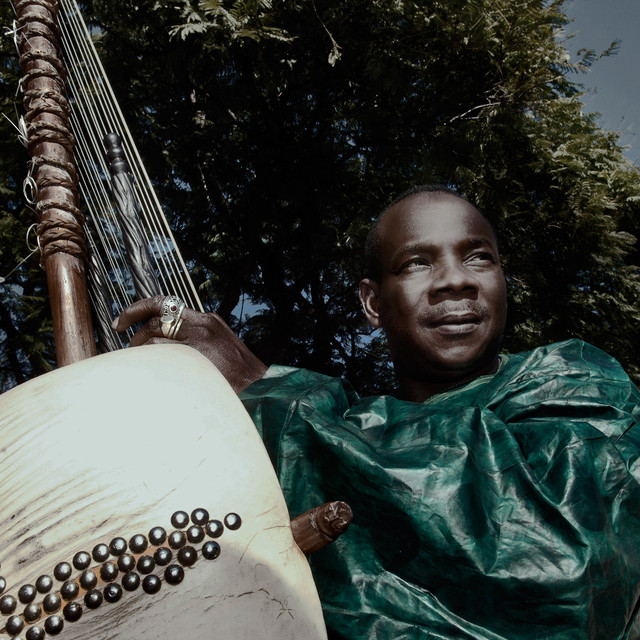
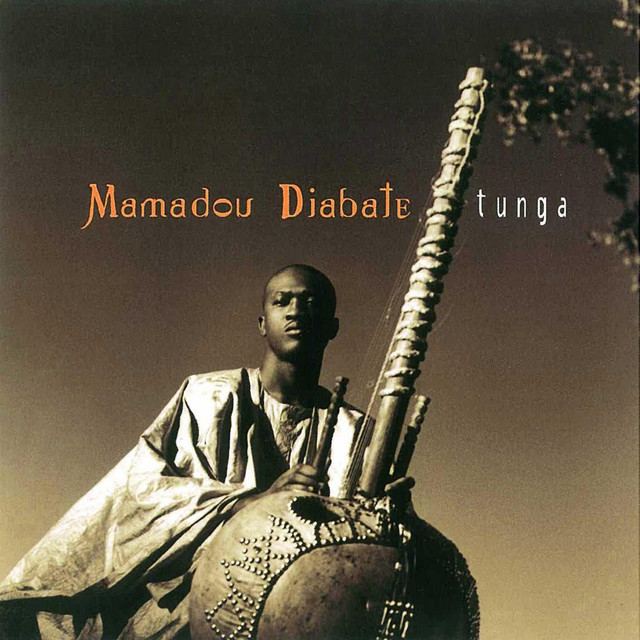
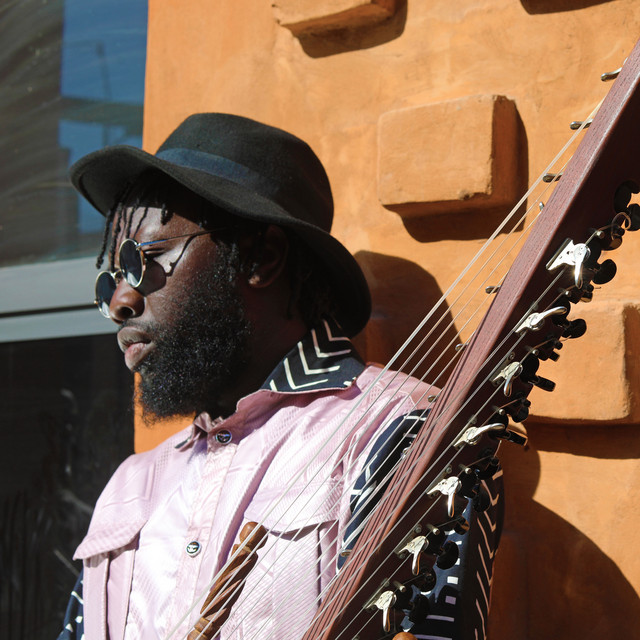
Music, voice, and instrument. The griot’s art blends singing, storytelling, invective and praise, and sophisticated improvisation. A central sonic pillar is the kora, a 21-string bridge-harp that can glide from hushed elegy to explosive virtuosity. Other prized instruments include the ngoni (a small lute) and the balafon (a wooden xylophone), though the exact ensemble varies by region. The instrument and voice are woven in call-and-response with audiences or with percussion, creating a living tapestry of memory and moral reflection. The repertoire features genealogies, praise of leaders, historical anecdotes, and social commentary—celebrating success, critiquing injustice, and teaching younger generations through song.
Modern context. In the postcolonial era, griot traditions have both endured and evolved. They have fused with jazz, blues, Afrobeat, and contemporary pop, helping to shape a trans-Saharan soundscape that travels far beyond West Africa’s borders. Contemporary griots and musicians rooted in the tradition increasingly collaborate with a global audience, while still serving as custodians of language, ritual, and civic memory. The social function remains vital: griots negotiate communal values, mediate disputes, and keep the memory of ancestors alive in a world of rapid change.
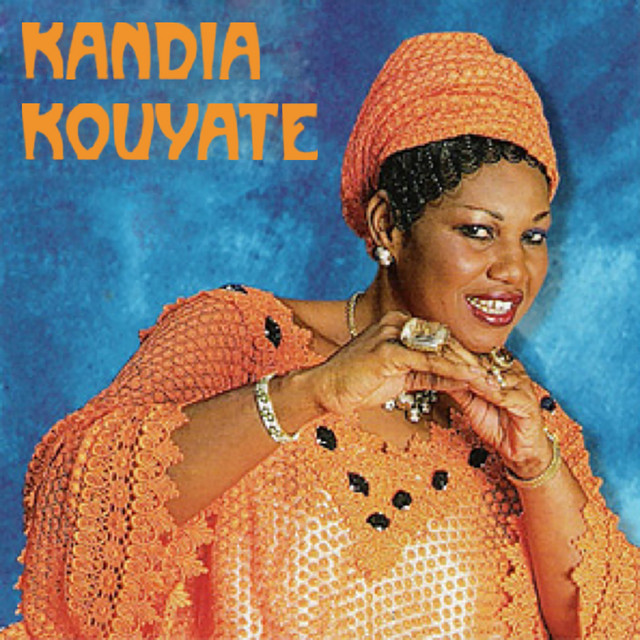
Key ambassadors and figures. Among the most widely respected modern exponents are Toumani Diabaté (Mali), a canonical kora master whose recordings and collaborations have brought the griot voice to international stages. Ballaké Sissoko, likewise Malian and a master of the kora, has forged intimate, reflective exchanges with other musicians around the world. Kandia Kouyaté, a renowned female griot from the Kouyaté lineage, is celebrated for her powerful, expressive storytelling and vocal craft. In broader recognition of the tradition’s reach, artists such as Youssou N’Dour and Oumou Sangaré have helped bring elements of the griot aesthetic into global pop contexts, linking historic memory with contemporary sound.
Why it matters to enthusiasts. Listening to griot music is an invitation to hear history in real time: a narrative voice that travels through time, a dialogue with ancestry, and a demonstration of how language, rhythm, and melody preserve communal memory. It’s a genre-rooted practice that rewards attentive listening to text, timbre, and lineage, while remaining an exhilarating source of innovation for anyone curious about the sonic tapestry of West Africa.
Origins and geography. The griot tradition emerged in the medieval kingdoms of the Mali and surrounding empires and spread across the Sahel from present-day Mali, Senegal, Guinea, the Gambia, and Burkina Faso to diasporic communities in Europe and the Americas. Roots run deep in Mande cultures, where oral history was the queen of knowledge long before written archives. Griots are often associated with specific lineages, families, and “houses” that train apprentices for decades, passing down repertoires, melody formulas, and tellings of lineage. While historically tied to courts and public squares, the griot’s role today spans concert halls, recording studios, and folk festivals, where tradition and modernity mingle.
Music, voice, and instrument. The griot’s art blends singing, storytelling, invective and praise, and sophisticated improvisation. A central sonic pillar is the kora, a 21-string bridge-harp that can glide from hushed elegy to explosive virtuosity. Other prized instruments include the ngoni (a small lute) and the balafon (a wooden xylophone), though the exact ensemble varies by region. The instrument and voice are woven in call-and-response with audiences or with percussion, creating a living tapestry of memory and moral reflection. The repertoire features genealogies, praise of leaders, historical anecdotes, and social commentary—celebrating success, critiquing injustice, and teaching younger generations through song.
Modern context. In the postcolonial era, griot traditions have both endured and evolved. They have fused with jazz, blues, Afrobeat, and contemporary pop, helping to shape a trans-Saharan soundscape that travels far beyond West Africa’s borders. Contemporary griots and musicians rooted in the tradition increasingly collaborate with a global audience, while still serving as custodians of language, ritual, and civic memory. The social function remains vital: griots negotiate communal values, mediate disputes, and keep the memory of ancestors alive in a world of rapid change.
Key ambassadors and figures. Among the most widely respected modern exponents are Toumani Diabaté (Mali), a canonical kora master whose recordings and collaborations have brought the griot voice to international stages. Ballaké Sissoko, likewise Malian and a master of the kora, has forged intimate, reflective exchanges with other musicians around the world. Kandia Kouyaté, a renowned female griot from the Kouyaté lineage, is celebrated for her powerful, expressive storytelling and vocal craft. In broader recognition of the tradition’s reach, artists such as Youssou N’Dour and Oumou Sangaré have helped bring elements of the griot aesthetic into global pop contexts, linking historic memory with contemporary sound.
Why it matters to enthusiasts. Listening to griot music is an invitation to hear history in real time: a narrative voice that travels through time, a dialogue with ancestry, and a demonstration of how language, rhythm, and melody preserve communal memory. It’s a genre-rooted practice that rewards attentive listening to text, timbre, and lineage, while remaining an exhilarating source of innovation for anyone curious about the sonic tapestry of West Africa.