Genre
guitarra clasica
Top Guitarra clasica Artists
Showing 23 of 23 artists

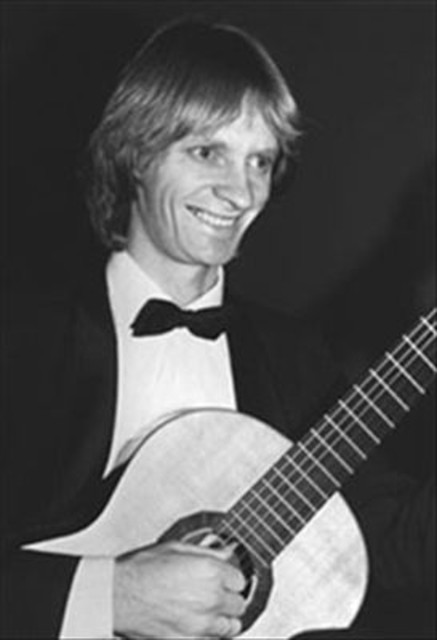
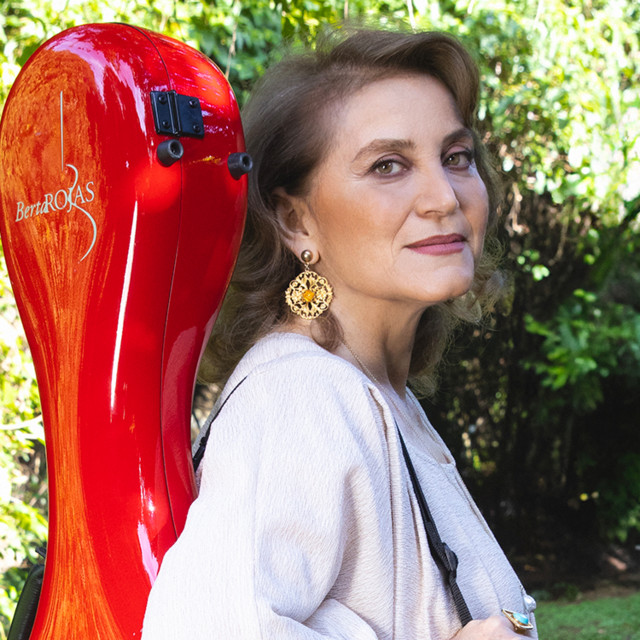
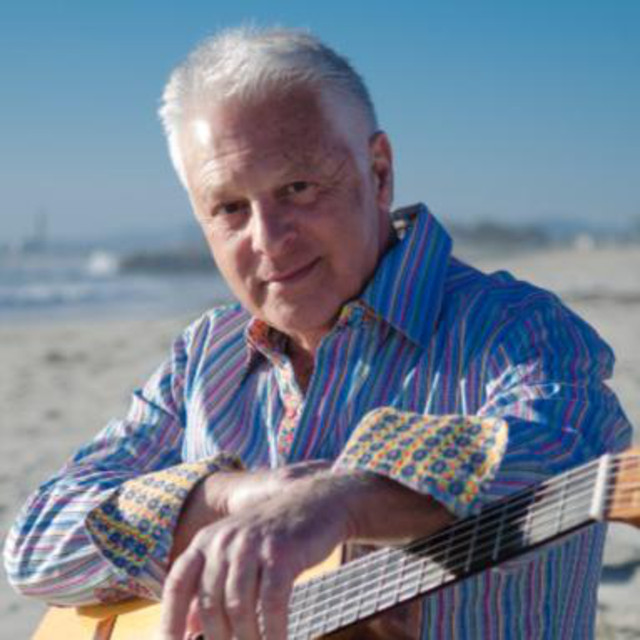
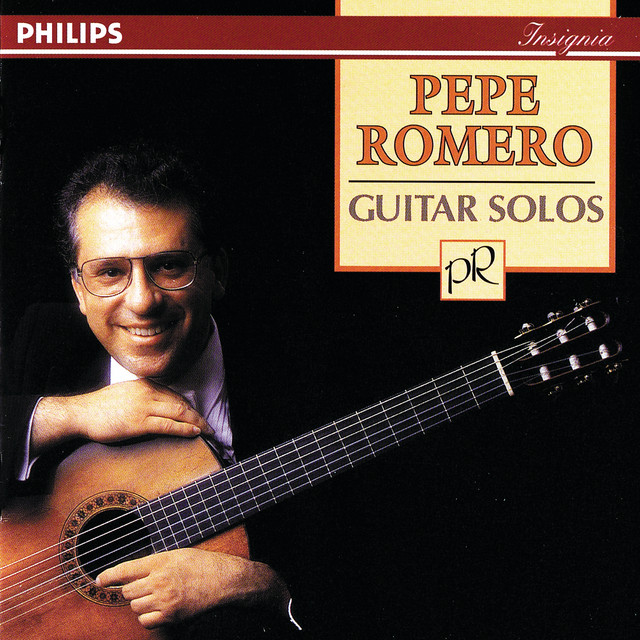






About Guitarra clasica
Guitarra clasica, or classical guitar, is the concert instrument and language of a long, refined repertoire that blends technical discipline with intimate expressivity. It uses a six‑string nylon guitar that sings with warmth and clarity, capable of delicate poetry, virtuosic passagework, and polyphonic lines that float above a steady bass. This genre is not flamenco or folk but a tradition built around formal technique, precise phrasing, and a literature that extends from Renaissance transcriptions to contemporary commissions. Its soundworld rewards attentive listening to touch, tone color, vibrato, and dynamics, revealing a voice that can sound as if a small orchestra resides in the guitar’s body.
The birth of the modern guitarra clasica centers in Spain in the 19th century. Antonio de Torres Jurado (1817–1892) is widely regarded as the father of the modern instrument: his refinements to the guitar’s proportions, bracing, woods, and overall design produced a instrument with a stronger, more projective voice that could fill a concert hall. Heir to a lineage of European guitar makers and players, Torres’s model became the standard blueprint for generations of luthiers. Before Torres, the five‑course guitar and earlier four‑ or five‑course designs existed, but it was the Torres‑era guitar that set the stage for serious, virtuosic repertoire and public performance.
Franco‑Spanish guitarist Francisco Tárrega (1852–1909) further shaped guitarra clasica by reforming technique and pedagogy. He refined right-hand fingering, tone production, and left-hand placement, introducing a cultivated, legato approach that could sustain long melodic lines and intricate tremolos. Tárrega’s own compositions—Recuerdos de la Alhambra, Capricho árabe, and Lagrima—remain canonical and are frequently referenced by students and professionals alike. His contributions helped transform the guitar from a salon instrument into a serious concert instrument with a reliable, expressive technique and a repertoire that could anchor a recital.
The 20th century brought an extraordinary expansion of repertoire and reach, led by Andrés Segovia (1893–1987). Often hailed as the instrument’s foremost ambassador, Segovia commissioned, transcribed, and premiered works by composers across Europe and the Americas, and he toured globally to bring the guitar into major concert halls. His advocacy helped conservatories adopt guitar programs and inspired countless players. Following him, artists such as Julian Bream, John Williams, and Leo Brouwer broadened the language—Brouwer’s contemporary studies and concert works, Williams’s lush, agile playing, and Bream’s bold programming all pushed the guitar into new textual and emotional territories. The mid‑century shift from gut to nylon strings also stabilized tension and tone, making the instrument more reliable for concert performance.
Geographically, guitarra clasica is deeply rooted in Spain and across Latin America—especially Mexico, Argentina, Brazil, Paraguay, and Cuba—where composers and performers have produced a vibrant, continuous lineage. In the United States, Western Europe, and Japan, universities, conservatories, and festival circuits sustain thriving traditions of pedagogy and performance. The repertoire spans Baroque transcriptions (think Bach reimagined for guitar), Romantic originals, and contemporary pieces that exploit the instrument’s wide dynamic range and polyphonic potential. Notable composers associated with the genre include Fernando Sor, Matteo Carcassi, and Francisco Tárrega, with modern voices like Heitor Villa-Lobos and Leo Brouwer enriching the language for new generations.
For enthusiasts, listening to guitar performances is an invitation to hear history and invention merge: Recuerdos de la Alhambra, Concierto de Aranjuez, Sor’s etudes, and Brouwer’s modern studies offer tracks that illuminate the instrument’s evolving voice while inviting fresh interpretation and discovery.
The birth of the modern guitarra clasica centers in Spain in the 19th century. Antonio de Torres Jurado (1817–1892) is widely regarded as the father of the modern instrument: his refinements to the guitar’s proportions, bracing, woods, and overall design produced a instrument with a stronger, more projective voice that could fill a concert hall. Heir to a lineage of European guitar makers and players, Torres’s model became the standard blueprint for generations of luthiers. Before Torres, the five‑course guitar and earlier four‑ or five‑course designs existed, but it was the Torres‑era guitar that set the stage for serious, virtuosic repertoire and public performance.
Franco‑Spanish guitarist Francisco Tárrega (1852–1909) further shaped guitarra clasica by reforming technique and pedagogy. He refined right-hand fingering, tone production, and left-hand placement, introducing a cultivated, legato approach that could sustain long melodic lines and intricate tremolos. Tárrega’s own compositions—Recuerdos de la Alhambra, Capricho árabe, and Lagrima—remain canonical and are frequently referenced by students and professionals alike. His contributions helped transform the guitar from a salon instrument into a serious concert instrument with a reliable, expressive technique and a repertoire that could anchor a recital.
The 20th century brought an extraordinary expansion of repertoire and reach, led by Andrés Segovia (1893–1987). Often hailed as the instrument’s foremost ambassador, Segovia commissioned, transcribed, and premiered works by composers across Europe and the Americas, and he toured globally to bring the guitar into major concert halls. His advocacy helped conservatories adopt guitar programs and inspired countless players. Following him, artists such as Julian Bream, John Williams, and Leo Brouwer broadened the language—Brouwer’s contemporary studies and concert works, Williams’s lush, agile playing, and Bream’s bold programming all pushed the guitar into new textual and emotional territories. The mid‑century shift from gut to nylon strings also stabilized tension and tone, making the instrument more reliable for concert performance.
Geographically, guitarra clasica is deeply rooted in Spain and across Latin America—especially Mexico, Argentina, Brazil, Paraguay, and Cuba—where composers and performers have produced a vibrant, continuous lineage. In the United States, Western Europe, and Japan, universities, conservatories, and festival circuits sustain thriving traditions of pedagogy and performance. The repertoire spans Baroque transcriptions (think Bach reimagined for guitar), Romantic originals, and contemporary pieces that exploit the instrument’s wide dynamic range and polyphonic potential. Notable composers associated with the genre include Fernando Sor, Matteo Carcassi, and Francisco Tárrega, with modern voices like Heitor Villa-Lobos and Leo Brouwer enriching the language for new generations.
For enthusiasts, listening to guitar performances is an invitation to hear history and invention merge: Recuerdos de la Alhambra, Concierto de Aranjuez, Sor’s etudes, and Brouwer’s modern studies offer tracks that illuminate the instrument’s evolving voice while inviting fresh interpretation and discovery.