Genre
gypsy fusion
Top Gypsy fusion Artists
Showing 19 of 19 artists








About Gypsy fusion
Gypsy fusion is a sprawling, high-energy field where Romani melodies collide with jazz, rock, brass band gambits, and electronic textures. It grew from the storied Romani musical roots of Central and Eastern Europe and took shape in 20th‑century Europe as itinerant musicians shared tunes across borders. The most widely cited origin moment is the Paris swing era of the 1930s, when Django Reinhardt and Stéphane Grappelli stitched gypsy melodies to swing rhythms, giving birth to gypsy jazz—a direct line of influence into what today many call gypsy fusion. In the late 20th and early 21st centuries, a global fusion logic took hold: Romani bands began collaborating with non-Romani rock, funk, and electronic musicians, expanding reach and audiences.
Key ambassadors include Django Reinhardt as the elder statesman of the sound; Taraf de Haïduks and Fanfare Ciocărlia—Romanian ensembles renowned for blistering tempos and virtuosic improvisation; Goran Bregović, whose scores for Time of the Gypsies and subsequent projects fused Balkan brass, rock and pop; the Gypsy Kings, who popularized Romani-infused flamenco in the 1980s; Gogol Bordello, the New York-based gypsy-punk collective who brought the experience of Eastern European Roma into punk energy; Shantel and the Bucovina Club sound, who popularized Balkan Beats across clubs and festivals. Together they stitched a cross-cultural fabric that prizes speed, improvisation, and choir-like call-and-response lines.
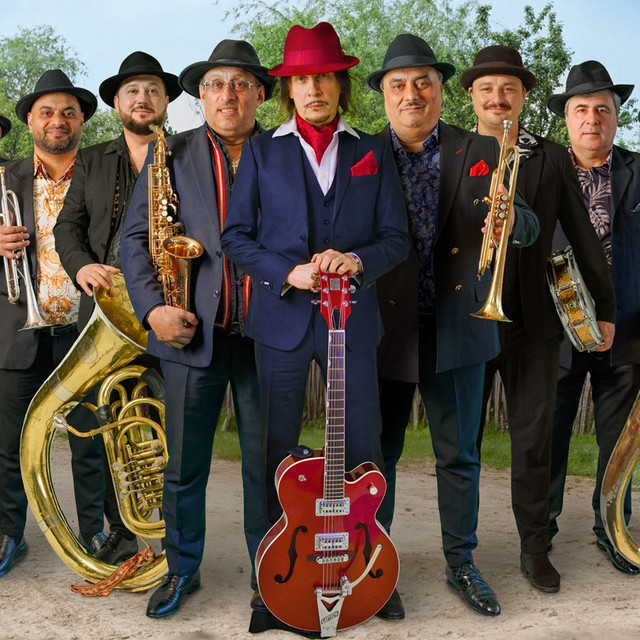
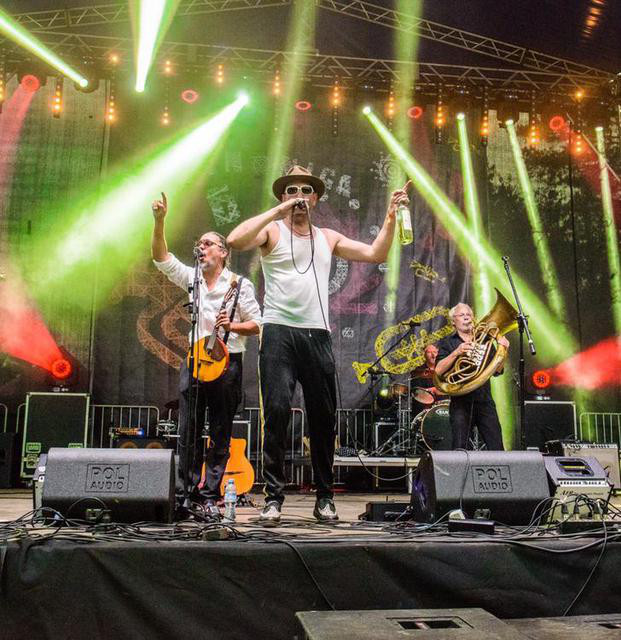
In instrumentation, gypsy fusion leans on violin, clarinet, accordion, guitar, cimbalom, double bass, and loud brass, sometimes augmented by violin, tailed with a kick drum or electronic textures. Rhythms range from 2/4 swagger to 9/8 Balkan cycles, with brisk tempo and exuberant ornamentation. Vocals can be charged with storytelling or chant-like refrains, often in Romani languages or regional dialects, but instrumental showcases dominate live sets and festivals. It is as comfortable in a smoky Parisian club as in a festival stage in Belgrade or Bucharest, and its audience spans listeners chasing virtuoso technique to seekers of dance-floor ecstasy.
Geographically, gypsy fusion has strongest currents in France, Romania, Hungary, Bulgaria, Serbia, and Spain, where Romani communities have left a deep imprint on local music scenes. It thrives in Western Europe’s festival culture and in the New World’s world-music circuits, with bands touring North America, Australia, and Japan. While “gypsy fusion” is a broad umbrella term, it sits alongside subgenres like gypsy jazz, gypsy brass, and gypsy punk, and it often overlaps with flamenco, Balkan brass, and neo‑folk. The genre continues to evolve as new collaborations emerge between Romani artists and producers in electronic, hip‑hop, and indie contexts, ensuring that the danceable ferocity and melodic cunning of Romani music remains a living, transformative force.
Listening notes for enthusiasts: expect brass-band swagger, rapid-fire violin solos, shimmering guitar tangos, and a sense of storytelling that travels between nostalgia and celebration. Gypsy fusion is not a single style so much as a conversation across generations and borders—an ongoing pilgrimage from the village to the venue, from the caravans to the festival stage. For collectors, it's a doorway to regional flavors, improvisational brilliance, and a shared sense of celebration everywhere.
Key ambassadors include Django Reinhardt as the elder statesman of the sound; Taraf de Haïduks and Fanfare Ciocărlia—Romanian ensembles renowned for blistering tempos and virtuosic improvisation; Goran Bregović, whose scores for Time of the Gypsies and subsequent projects fused Balkan brass, rock and pop; the Gypsy Kings, who popularized Romani-infused flamenco in the 1980s; Gogol Bordello, the New York-based gypsy-punk collective who brought the experience of Eastern European Roma into punk energy; Shantel and the Bucovina Club sound, who popularized Balkan Beats across clubs and festivals. Together they stitched a cross-cultural fabric that prizes speed, improvisation, and choir-like call-and-response lines.
In instrumentation, gypsy fusion leans on violin, clarinet, accordion, guitar, cimbalom, double bass, and loud brass, sometimes augmented by violin, tailed with a kick drum or electronic textures. Rhythms range from 2/4 swagger to 9/8 Balkan cycles, with brisk tempo and exuberant ornamentation. Vocals can be charged with storytelling or chant-like refrains, often in Romani languages or regional dialects, but instrumental showcases dominate live sets and festivals. It is as comfortable in a smoky Parisian club as in a festival stage in Belgrade or Bucharest, and its audience spans listeners chasing virtuoso technique to seekers of dance-floor ecstasy.
Geographically, gypsy fusion has strongest currents in France, Romania, Hungary, Bulgaria, Serbia, and Spain, where Romani communities have left a deep imprint on local music scenes. It thrives in Western Europe’s festival culture and in the New World’s world-music circuits, with bands touring North America, Australia, and Japan. While “gypsy fusion” is a broad umbrella term, it sits alongside subgenres like gypsy jazz, gypsy brass, and gypsy punk, and it often overlaps with flamenco, Balkan brass, and neo‑folk. The genre continues to evolve as new collaborations emerge between Romani artists and producers in electronic, hip‑hop, and indie contexts, ensuring that the danceable ferocity and melodic cunning of Romani music remains a living, transformative force.
Listening notes for enthusiasts: expect brass-band swagger, rapid-fire violin solos, shimmering guitar tangos, and a sense of storytelling that travels between nostalgia and celebration. Gypsy fusion is not a single style so much as a conversation across generations and borders—an ongoing pilgrimage from the village to the venue, from the caravans to the festival stage. For collectors, it's a doorway to regional flavors, improvisational brilliance, and a shared sense of celebration everywhere.