Genre
gypsy punk
Top Gypsy punk Artists
Showing 13 of 13 artists





About Gypsy punk
Gypsy punk is a high-energy fusion of traditional Romani music with the rebellious rush of punk rock. The genre crystallized in the late 1990s, amid multiethnic street scenes in Europe and the United States, where Romani musicians and punk‑influenced bands fed off each other’s energy. Its most visible torchbearer is Gogol Bordello, a group led by Ukrainian‑born Eugene Hütz, whose 2005 release Gypsy Punk: Underdog World Strike helped popularize the term and bring the sound to a wider audience.
Musically, gypsy punk is marked by explosive tempos, improvisatory playing, and a colorful palette of instruments: violin, accordion, clarinet, brass, alongside guitar, bass, and drums. The rhythms borrow Balkan, Romani, klezmer, and brass‑band patterns—often embracing unusual meters such as 7/8—while the vocal delivery swings between chant, shouted refrains, and storytelling. The mood’s both carnival and street‑corner protest: exuberant, improvisatory, and unafraid of rough edges.
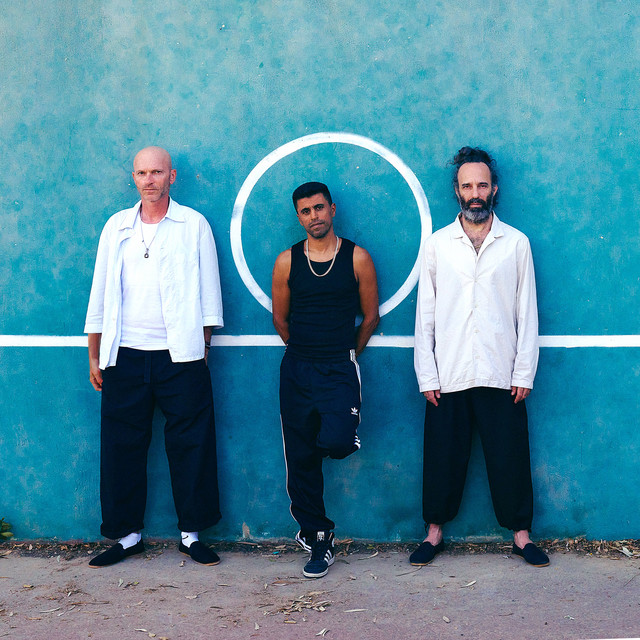
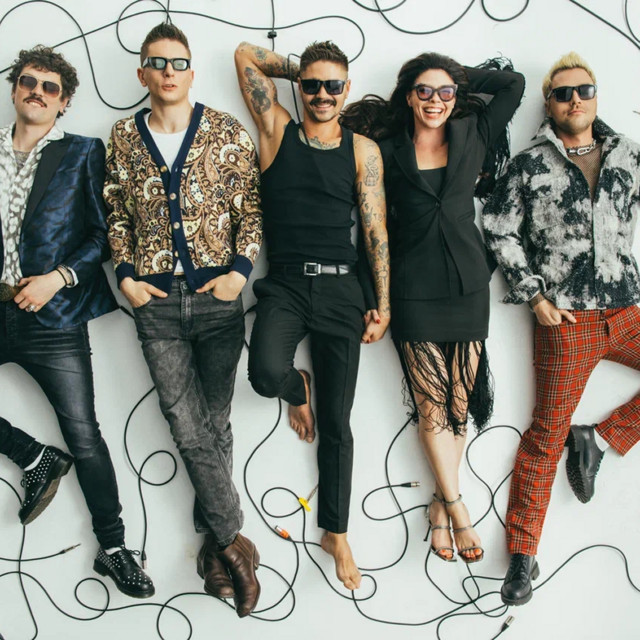
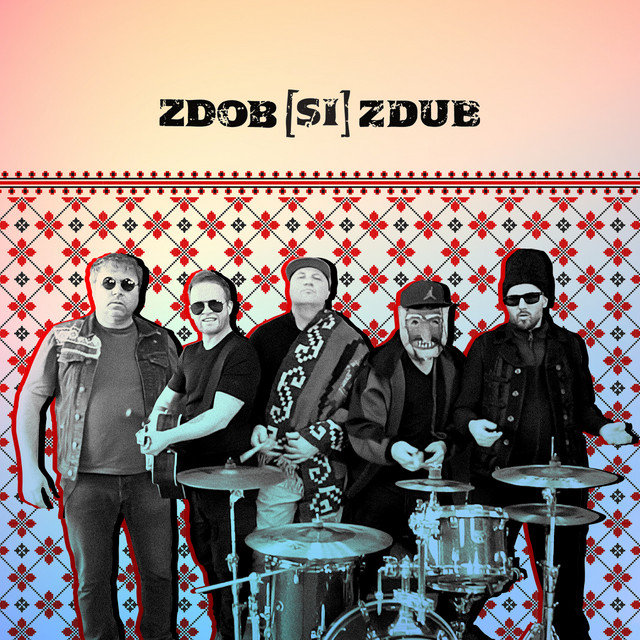
Beyond Gogol Bordello, the movement has grown through a constellation of bands that link punk energy with Romani or Balkan dance traditions. Balkan Beat Box (Israeli‑born, blending brass, electronics, and folk hooks) became a global festival favorite; DeVotchKa (Colorado band mixing gypsy textures with indie rock) earned a devoted following in the United States. In Europe, venerable Romani ensembles such as Taraf de Haïdouks from Romania and Fanfare Ciocărlia have helped anchor the scene, while groups like Dubioza Kolektiv from Bosnia have added political bite and reggae‑tinged rhythms. The result is a broad umbrella that can accommodate everything from brass‑heavy street anthems to intimate string ballads with a punk edge.
Origin stories aside, gypsy punk is as much a live phenomenon as a recorded style. It thrives in clubs, in festival tents, and on crowded streets, where the performers bring a carnival of color and a wall of sound that invites the audience to join in. The genre’s appeal lies in its openness to collaboration—a platform for cross‑cultural exchange that can incorporate hip‑hop, electronic textures, or metal flourishes without losing its core swagger.
Geographically, gypsy punk is most popular in Europe—with strong scenes in the Balkans, Romania, Hungary, and France—and has a steady foothold in Western Europe, North America, and diaspora communities around the world. It tends to flourish at music festivals, clubs, and street performances alike, where cross‑cultural collaboration and high‑spirited showmanship are celebrated.
Note: the term “gypsy” is controversial in some communities; many prefer Roma or Romani. Still, the music that bears the label remains a dynamic site of cultural exchange, rebellion, and dance‑friendly invention, continually evolving as artists fuse new traditions with the raw energy of punk.
Musically, gypsy punk is marked by explosive tempos, improvisatory playing, and a colorful palette of instruments: violin, accordion, clarinet, brass, alongside guitar, bass, and drums. The rhythms borrow Balkan, Romani, klezmer, and brass‑band patterns—often embracing unusual meters such as 7/8—while the vocal delivery swings between chant, shouted refrains, and storytelling. The mood’s both carnival and street‑corner protest: exuberant, improvisatory, and unafraid of rough edges.
Beyond Gogol Bordello, the movement has grown through a constellation of bands that link punk energy with Romani or Balkan dance traditions. Balkan Beat Box (Israeli‑born, blending brass, electronics, and folk hooks) became a global festival favorite; DeVotchKa (Colorado band mixing gypsy textures with indie rock) earned a devoted following in the United States. In Europe, venerable Romani ensembles such as Taraf de Haïdouks from Romania and Fanfare Ciocărlia have helped anchor the scene, while groups like Dubioza Kolektiv from Bosnia have added political bite and reggae‑tinged rhythms. The result is a broad umbrella that can accommodate everything from brass‑heavy street anthems to intimate string ballads with a punk edge.
Origin stories aside, gypsy punk is as much a live phenomenon as a recorded style. It thrives in clubs, in festival tents, and on crowded streets, where the performers bring a carnival of color and a wall of sound that invites the audience to join in. The genre’s appeal lies in its openness to collaboration—a platform for cross‑cultural exchange that can incorporate hip‑hop, electronic textures, or metal flourishes without losing its core swagger.
Geographically, gypsy punk is most popular in Europe—with strong scenes in the Balkans, Romania, Hungary, and France—and has a steady foothold in Western Europe, North America, and diaspora communities around the world. It tends to flourish at music festivals, clubs, and street performances alike, where cross‑cultural collaboration and high‑spirited showmanship are celebrated.
Note: the term “gypsy” is controversial in some communities; many prefer Roma or Romani. Still, the music that bears the label remains a dynamic site of cultural exchange, rebellion, and dance‑friendly invention, continually evolving as artists fuse new traditions with the raw energy of punk.