Genre
handpan
Top Handpan Artists
Showing 25 of 51 artists









About Handpan
Handpan is a modern family of steel drum instruments known for their shimmering, meditative tones and organic, almost vocal expressiveness. It sits at the crossroads of world music, ambient sound, and contemporary percussion, and has grown into a global scene with a dedicated following of enthusiasts and players.
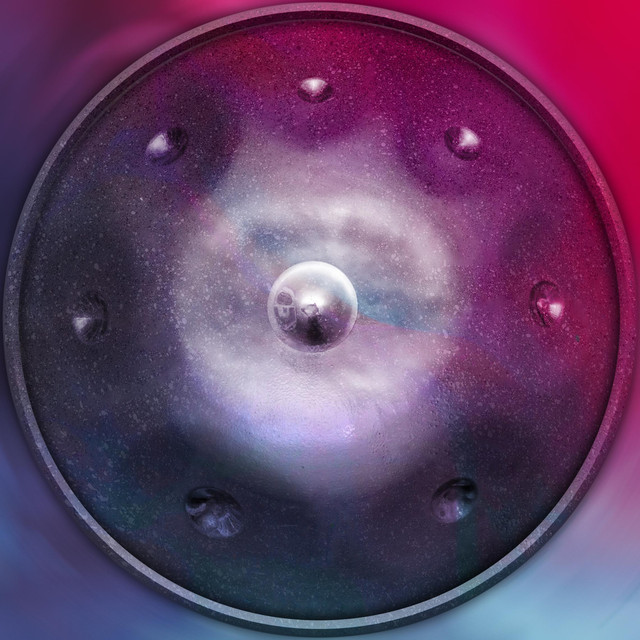
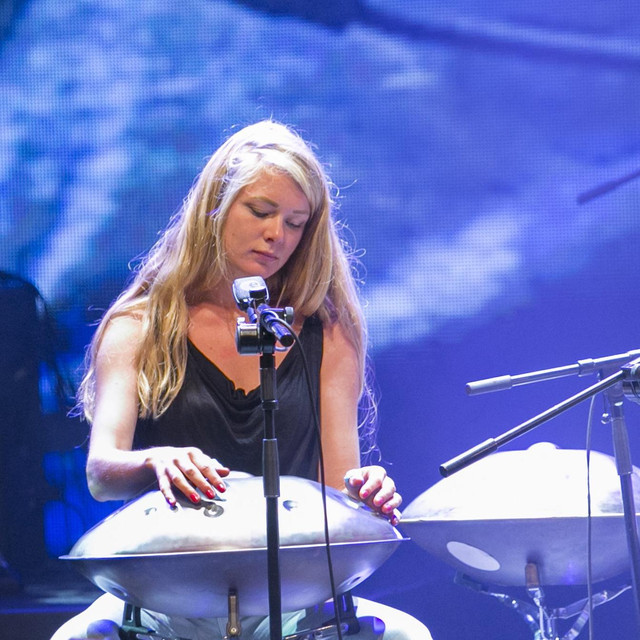
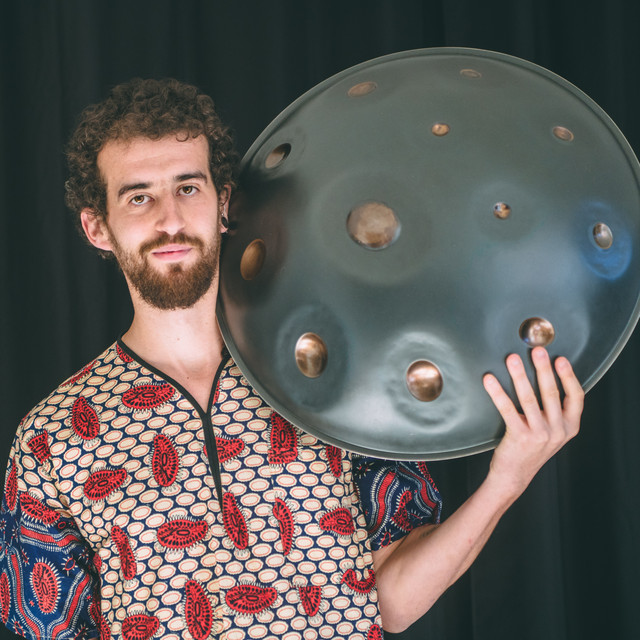
The genre’s birth is tied to a specific fabrication house in Bern, Switzerland: PANArt Hangbau AG. In 2000, Felix Rohner and Sabina Schärer designed and built the Hang, a two-part hemispherical instrument made from nitrided steel. The top half is carved with a pattern of tone fields around a central ding, and the bottom half is a resonant bell. When struck with the hands, the instrument produces a warm, bell-like spectrum of notes with long sustain and a distinctive, airy resonance. The Hang drew on a desire to create an instrument that was intuitive to play and capable of singing with minimal technique, a goal that helped the handpan rapidly capture the imagination of players and listeners alike. The Hang’s name is widely reported to mean “hand” in Swiss German, underscoring its tactile, hand-played nature.
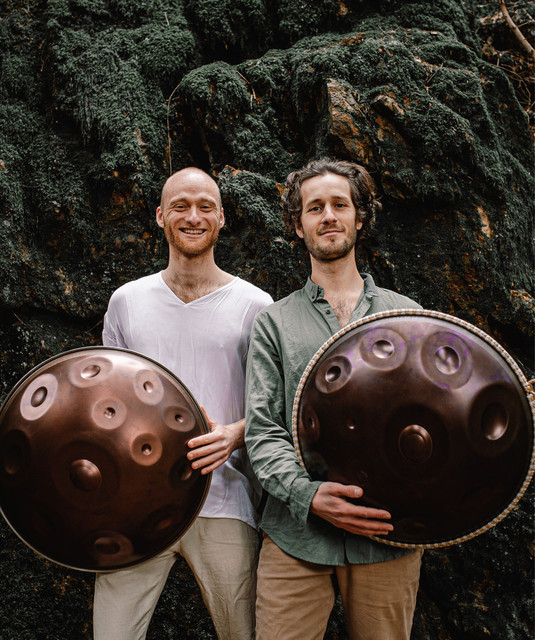
From its debut, the Hang sparked a broader movement. Because PANArt limited official production, many early players learned by curiosity and replication and began to call the instrument a “handpan”—a more generic term for these modern steel pans. As makers around the world began producing their own instruments, tunings proliferated beyond PANArt’s original design. Today, a typical handpan has seven to nine tone fields around the central note, and tunings range from pentatonic to more complex scales, with many musicians embracing improvisation and cross-genre collaboration. The instrument is especially favored for meditative practice, live looping, and intimate, lyrical performances, but it has also found a place in film scoring, contemporary classical contexts, and fusion projects.
Key artists and ambassadors have helped carry the handpan into wider consciousness. The inventors, Felix Rohner and Sabina Schärer, remain foundational figures in the instrument’s lore. Among solo players, Austrian virtuoso Manu Delago stands out as one of the most visible and influential ambassadors; he has collaborated with major artists, composed for orchestras, and contributed to high-profile projects including Björk’s Biophilia. On the performance circuit, the UK-based duo Hang Massive popularized the instrument through viral videos and immersive live shows, helping to introduce the sound to large, diverse audiences. Their work, along with many festival appearances and international workshops, has solidified the handpan as a versatile, expressive voice in contemporary music.
Popularity is strongest in Europe—particularly in Switzerland, Austria, Germany, Spain, and Italy—and has grown across North America, with thriving scenes in the United States and Canada, as well as in Japan, South Korea, and Australia. Festivals, gatherings, and workshops—from intimate venues to larger venues—nurture a sense of community, exchange, and experimentation. As a result, the handpan continues to evolve: new tunings, maker innovations, and cross-cultural collaborations push the genre toward ever more resonant, melodic possibilities.
The genre’s birth is tied to a specific fabrication house in Bern, Switzerland: PANArt Hangbau AG. In 2000, Felix Rohner and Sabina Schärer designed and built the Hang, a two-part hemispherical instrument made from nitrided steel. The top half is carved with a pattern of tone fields around a central ding, and the bottom half is a resonant bell. When struck with the hands, the instrument produces a warm, bell-like spectrum of notes with long sustain and a distinctive, airy resonance. The Hang drew on a desire to create an instrument that was intuitive to play and capable of singing with minimal technique, a goal that helped the handpan rapidly capture the imagination of players and listeners alike. The Hang’s name is widely reported to mean “hand” in Swiss German, underscoring its tactile, hand-played nature.
From its debut, the Hang sparked a broader movement. Because PANArt limited official production, many early players learned by curiosity and replication and began to call the instrument a “handpan”—a more generic term for these modern steel pans. As makers around the world began producing their own instruments, tunings proliferated beyond PANArt’s original design. Today, a typical handpan has seven to nine tone fields around the central note, and tunings range from pentatonic to more complex scales, with many musicians embracing improvisation and cross-genre collaboration. The instrument is especially favored for meditative practice, live looping, and intimate, lyrical performances, but it has also found a place in film scoring, contemporary classical contexts, and fusion projects.
Key artists and ambassadors have helped carry the handpan into wider consciousness. The inventors, Felix Rohner and Sabina Schärer, remain foundational figures in the instrument’s lore. Among solo players, Austrian virtuoso Manu Delago stands out as one of the most visible and influential ambassadors; he has collaborated with major artists, composed for orchestras, and contributed to high-profile projects including Björk’s Biophilia. On the performance circuit, the UK-based duo Hang Massive popularized the instrument through viral videos and immersive live shows, helping to introduce the sound to large, diverse audiences. Their work, along with many festival appearances and international workshops, has solidified the handpan as a versatile, expressive voice in contemporary music.
Popularity is strongest in Europe—particularly in Switzerland, Austria, Germany, Spain, and Italy—and has grown across North America, with thriving scenes in the United States and Canada, as well as in Japan, South Korea, and Australia. Festivals, gatherings, and workshops—from intimate venues to larger venues—nurture a sense of community, exchange, and experimentation. As a result, the handpan continues to evolve: new tunings, maker innovations, and cross-cultural collaborations push the genre toward ever more resonant, melodic possibilities.