Genre
hiplife
Top Hiplife Artists
Showing 25 of 1,022 artists




About Hiplife
Hiplife is a distinctly Ghanaian fusion that sits at the crossroads of highlife’s lilting melodies and hip-hop’s rhythmic cleverness. Born in the late 1990s in Accra, it emerged from urban studios where producers and rappers began blending traditional Ghanaian guitar-and-brass textures with contemporary street verse. The genre’s name itself is often credited to Reggie Rockstone, who championed the idea of marrying highlife’s warmth with the pulse and poetry of hip-hop, giving birth to a new vernacular for city storytelling in Twi, Ga, and other local languages. The early sound was driven by producers who could fuse drum machines, sampled guitar lines, and brass accents with rapid-fire rhymes, making hiplife music both party-ready and lyrically pointed.
Key moments anchor hiplife’s history. The mid-to-late 1990s saw highlife veterans and street MCs collaborating with urban producers to craft a sound that felt both familiar and daring. Obrafour’s Pae Mu Ka, released around the turn of the millennium, is widely hailed as a landmark that crystallized the form: a potent blend of Ghanaian storytelling, hard-hitting hip-hop rhythms, and highlife musicality. The scene quickly diversified, giving rise to several waves of artists who would become ambassadors for hiplife’s ongoing evolution. The genre has always thrived on language and flow—rapping in Twi or Ga over catchy choruses and infectious hooks, while keeping highlife’s melodic sensibilities intact.
Sound-wise, hiplife remains rooted in Ghana’s musical vocabulary: tasteful guitars, bright brass, or looping piano lines carried by tight drum programming, all serving as the backbone for lyrical craft. The genre often embraces multilingual lyricism, witty wordplay, social commentary, and danceable grooves. In the 2000s and 2010s, hiplife absorbed influences from Afrobeats, dancehall, and contemporary hip-hop, helping to shape a broader Ghanaian urban-pop sound. The movement even fed into dance crazes like Azonto, underscoring its role not just as a listening experience but as a cultural mood.
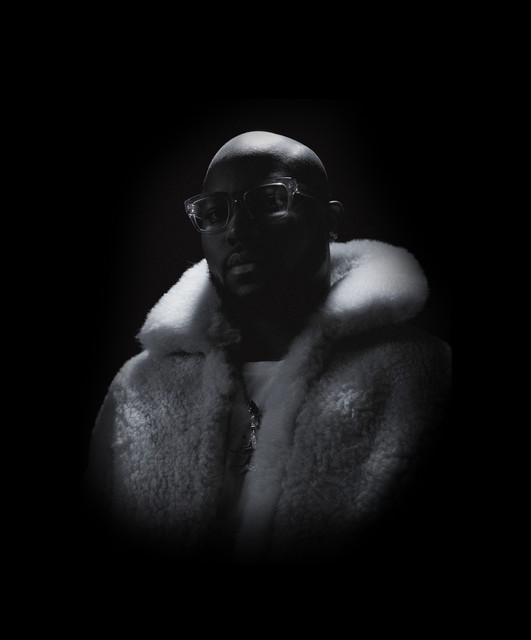
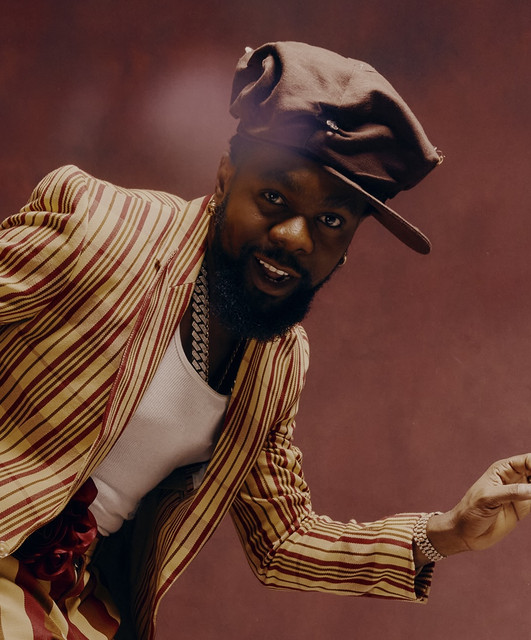
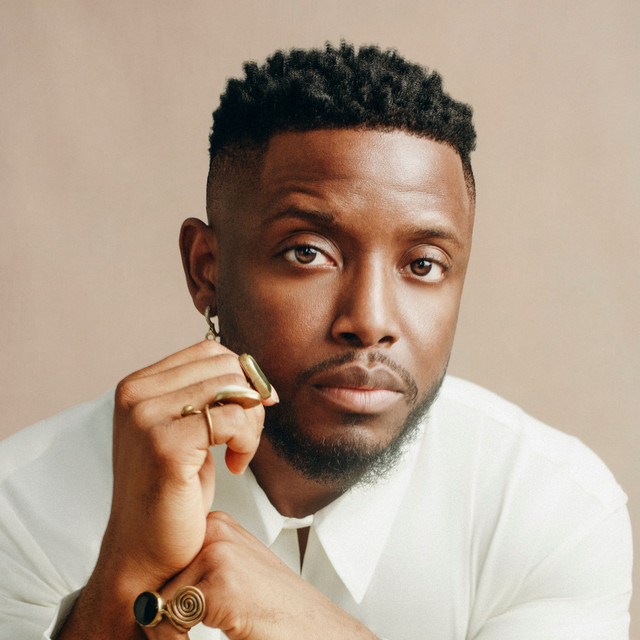
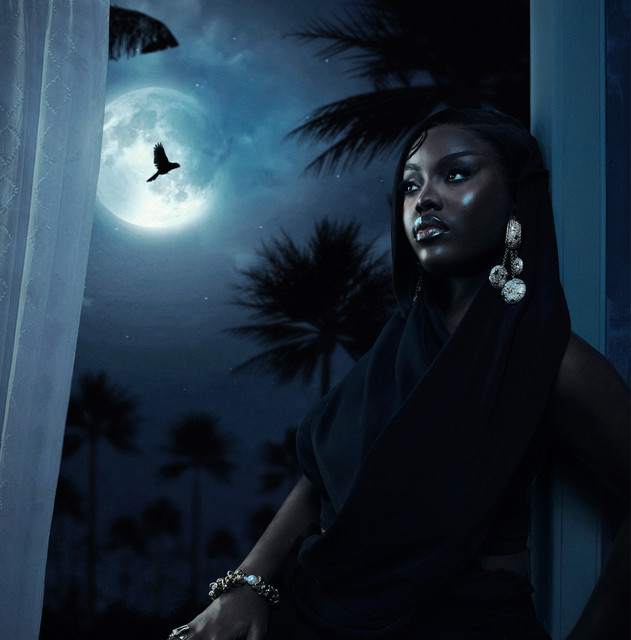
Ambassadors and representative voices span generations. Reggie Rockstone is the “father of hiplife,” a figure whose stage presence and albums helped define the movement. Obrafour’s Pae Mu Ka remains a touchstone for lyricism and conceptual storytelling. On the contemporary front, names such as Sarkodie, M.anifest, Okyeame Kwame, Tinny, Kwaw Kese, and R2Bees have carried the flag, each bringing distinct strengths—from rapid-fire verse and punchy wordplay to melodic hooks and polished crossover appeal. In recent years, newer acts like Kwesi Arthur and others have kept the genre fresh, proving its adaptability in a global music landscape.
Geographically, hiplife is most popular in Ghana, where it sits at the heart of urban radio, clubs, and festivals. It also travels with the Ghanaian diaspora to the United Kingdom, the United States, Canada, and parts of Europe, where local producers and artists remix the sound for different audiences while retaining its Ghanaian essence. For music enthusiasts, hiplife offers a clear snapshot of a dynamic moment when tradition met contemporary city life—an enduring bridge between highlife’s roots and the global hustle of hip-hop.
Key moments anchor hiplife’s history. The mid-to-late 1990s saw highlife veterans and street MCs collaborating with urban producers to craft a sound that felt both familiar and daring. Obrafour’s Pae Mu Ka, released around the turn of the millennium, is widely hailed as a landmark that crystallized the form: a potent blend of Ghanaian storytelling, hard-hitting hip-hop rhythms, and highlife musicality. The scene quickly diversified, giving rise to several waves of artists who would become ambassadors for hiplife’s ongoing evolution. The genre has always thrived on language and flow—rapping in Twi or Ga over catchy choruses and infectious hooks, while keeping highlife’s melodic sensibilities intact.
Sound-wise, hiplife remains rooted in Ghana’s musical vocabulary: tasteful guitars, bright brass, or looping piano lines carried by tight drum programming, all serving as the backbone for lyrical craft. The genre often embraces multilingual lyricism, witty wordplay, social commentary, and danceable grooves. In the 2000s and 2010s, hiplife absorbed influences from Afrobeats, dancehall, and contemporary hip-hop, helping to shape a broader Ghanaian urban-pop sound. The movement even fed into dance crazes like Azonto, underscoring its role not just as a listening experience but as a cultural mood.
Ambassadors and representative voices span generations. Reggie Rockstone is the “father of hiplife,” a figure whose stage presence and albums helped define the movement. Obrafour’s Pae Mu Ka remains a touchstone for lyricism and conceptual storytelling. On the contemporary front, names such as Sarkodie, M.anifest, Okyeame Kwame, Tinny, Kwaw Kese, and R2Bees have carried the flag, each bringing distinct strengths—from rapid-fire verse and punchy wordplay to melodic hooks and polished crossover appeal. In recent years, newer acts like Kwesi Arthur and others have kept the genre fresh, proving its adaptability in a global music landscape.
Geographically, hiplife is most popular in Ghana, where it sits at the heart of urban radio, clubs, and festivals. It also travels with the Ghanaian diaspora to the United Kingdom, the United States, Canada, and parts of Europe, where local producers and artists remix the sound for different audiences while retaining its Ghanaian essence. For music enthusiasts, hiplife offers a clear snapshot of a dynamic moment when tradition met contemporary city life—an enduring bridge between highlife’s roots and the global hustle of hip-hop.