Genre
hull indie
Top Hull indie Artists
Showing 21 of 21 artists










About Hull indie
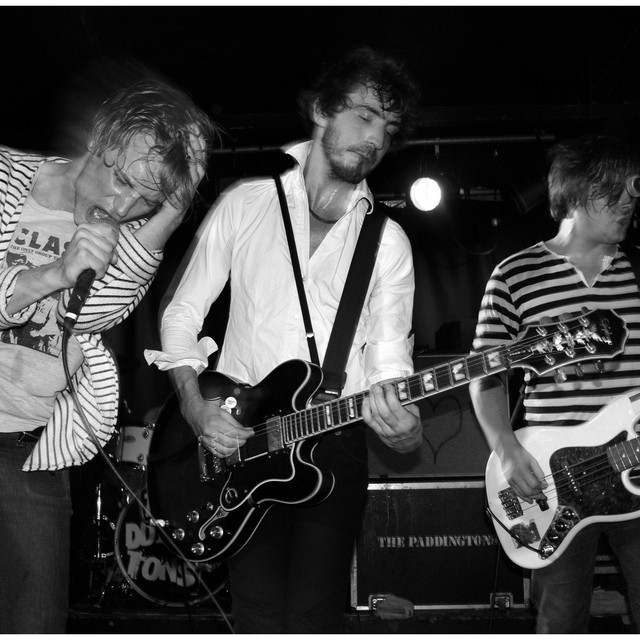
Hull indie is a regional take on British indie rock and pop, anchored in Kingston upon Hull and shaped by its coastal work‑life, DIY spirit, and a love of melodic, guitar-driven songs. It isn’t a global, codified subgenre so much as a local identity that radiates through a distinctive sound and a shared ethos. If you’ve heard Hull bands wave a jangly guitar line or deliver a lucid, everyday lyric with a wink of irony, you’ve heard the Hull indie mentality in action.
The movement’s roots go back to the early 1980s, when Hull produced two acts that would become touchstones for the scene: The Housemartins and Everything But the Girl. The Housemartins brought brisk, accessible indie pop with political undertones and a knack for hooks, while Everything But the Girl fused intimate storytelling with spare, elegant arrangements. Their emergence helped crystallize a Hull sound—tight, melodic, and direct, with an earthy warmth that comes from singable choruses and clear, opinionated lyrics. Those acts remain ambassadors of Hull indie in the sense that they show how a small city can influence mainstream charts without losing a distinct local voice.
In its essence, Hull indie favors certain sonic and thematic threads. Expect jangly guitar textures, melodic basslines, and clean, uncluttered production that lets the song take the lead. Vocals tend to be conversational and unembellished, delivering narratives about everyday life, relationships, and the quiet humor found in ordinary moments. The DIY ethic—recording on modest budgets, releasing music on small labels, and booking shows in local clubs and community spaces—also defines the scene, reinforcing a sense of community and resilience in the face of market forces that favor bigger, louder sounds.
Historically, the genre has leaned on Hull’s own venues and circuits—the kind of intimate clubs and grassroots spaces where eager audiences could hear fresh material in a close, almost club‑like atmosphere. The Adelphi Club and other small Hull venues became incubators for bands that wanted to test out shimmering riffs, earnest lyrics, and concise songs that sounded both modern and timeless. While the broader UK indie wave of the 1980s and 1990s provides context, Hull indie remains explicitly tied to place: the Humber’s sea‑salt air, the city’s industrial memories, and the working‑class storytelling tradition all leave their imprint on the music.
Ambassadors of the genre beyond Hull’s borders are the acts that carried its spirit into broader consciousness. The Housemartins and Everything But the Girl are the most widely cited examples, showing that a Hull‑bred sensibility could connect with national and international audiences. In recent years, the genre has continued to be celebrated by enthusiasts who prize pointed, well-crafted songwriting over glossy spectacle, keeping Hull’s melodic, literate indie flame alive in diverging directions.
If you’re exploring Hull indie, listen for the quiet confidence of a well‑constructed song—where warmth and wit meet a sharp, observant gaze. It’s a sound that rewards attentive listening and a willingness to discover a vivid, place‑rooted corner of the UK’s indie universe.
The movement’s roots go back to the early 1980s, when Hull produced two acts that would become touchstones for the scene: The Housemartins and Everything But the Girl. The Housemartins brought brisk, accessible indie pop with political undertones and a knack for hooks, while Everything But the Girl fused intimate storytelling with spare, elegant arrangements. Their emergence helped crystallize a Hull sound—tight, melodic, and direct, with an earthy warmth that comes from singable choruses and clear, opinionated lyrics. Those acts remain ambassadors of Hull indie in the sense that they show how a small city can influence mainstream charts without losing a distinct local voice.
In its essence, Hull indie favors certain sonic and thematic threads. Expect jangly guitar textures, melodic basslines, and clean, uncluttered production that lets the song take the lead. Vocals tend to be conversational and unembellished, delivering narratives about everyday life, relationships, and the quiet humor found in ordinary moments. The DIY ethic—recording on modest budgets, releasing music on small labels, and booking shows in local clubs and community spaces—also defines the scene, reinforcing a sense of community and resilience in the face of market forces that favor bigger, louder sounds.
Historically, the genre has leaned on Hull’s own venues and circuits—the kind of intimate clubs and grassroots spaces where eager audiences could hear fresh material in a close, almost club‑like atmosphere. The Adelphi Club and other small Hull venues became incubators for bands that wanted to test out shimmering riffs, earnest lyrics, and concise songs that sounded both modern and timeless. While the broader UK indie wave of the 1980s and 1990s provides context, Hull indie remains explicitly tied to place: the Humber’s sea‑salt air, the city’s industrial memories, and the working‑class storytelling tradition all leave their imprint on the music.
Ambassadors of the genre beyond Hull’s borders are the acts that carried its spirit into broader consciousness. The Housemartins and Everything But the Girl are the most widely cited examples, showing that a Hull‑bred sensibility could connect with national and international audiences. In recent years, the genre has continued to be celebrated by enthusiasts who prize pointed, well-crafted songwriting over glossy spectacle, keeping Hull’s melodic, literate indie flame alive in diverging directions.
If you’re exploring Hull indie, listen for the quiet confidence of a well‑constructed song—where warmth and wit meet a sharp, observant gaze. It’s a sound that rewards attentive listening and a willingness to discover a vivid, place‑rooted corner of the UK’s indie universe.