Genre
hymns
Top Hymns Artists
Showing 25 of 102 artists








About Hymns
Hymns are one of the oldest living forms of sacred music, a genre-wide umbrella that gathers poems of praise set to melodies meant for congregational singing. They are not a single sound but a lineage: from austere medieval chant to soaring four-part harmonies, from psalm tunes sung in Latin to contemporary chorale-inspired anthems. For music enthusiasts, hymns reveal how poetry, melody, theology, and community action fuse to create a portable worship language that travels across centuries and continents.
The birth of hymnody is tied to the broader rise of structured liturgical music. The word hymn comes from the Greek hymnnos, and early Christian communities borrowed and reworked classical lyric forms to praise God. In the 3rd–6th centuries, insular and continental churches began codifying short, repeatable verses suitable for group singing. By the Middle Ages, Latin hymnody and chant coexisted with developing European hymn tunes. The real seismic shift came with the Reformation in the 16th century: Martin Luther and contemporaries popularized vernacular, singable chorales—melodic tunes tethered to congregational participation—so that lay worship could be a communal act rather than a clerical performance. Luther’s chorale system, and later German hymnody, became a blueprint for many national traditions.
In England and its diasporas, hymnody blossomed into a distinctly poetic and theological craft. Isaac Watts, often called the Father of English Hymnody, reframed biblical content into meters and tunes accessible to lay singers, moving beyond psalms toward personal devotion and ethical exhortation. His successors and rivals—hymn writers such as Charles Wesley and the broader Methodist tradition—built a prolific catalog of texts and tunes that shaped English-speaking worship for generations. In America, hymn singing fused evangelical sentiment with frontier pragmatism: John Newton’s Amazing Grace, Fanny Crosby’s prolific output of evangelistic lyrics, and dozens of later composers created a vast repertoire of hymns that could be used in revival meetings, Sunday services, and school chapels.
The 19th and 20th centuries saw hymnody diversify toward what many listeners recognize today as “gospel hymns” and “contemporary hymns.” The spiritual and musical vocabulary expanded to include gospel-inflected harmonies, gospel chorus refrains, and later, highly produced worship songs. Hymn-writing families such as the Gettys (Keith and Kristyn Getty) helped establish a modern “hymn” ethos—lyrical depth, congregational-friendly melodies, and singable tunes that strive for timelessness as well as topical relevance. Contemporary worship leaders like Hillsong, Chris Tomlin, and their peers carry hymn-like texts into present-day soundscapes, while preserving the core aim: to unify a congregation in shared praise.
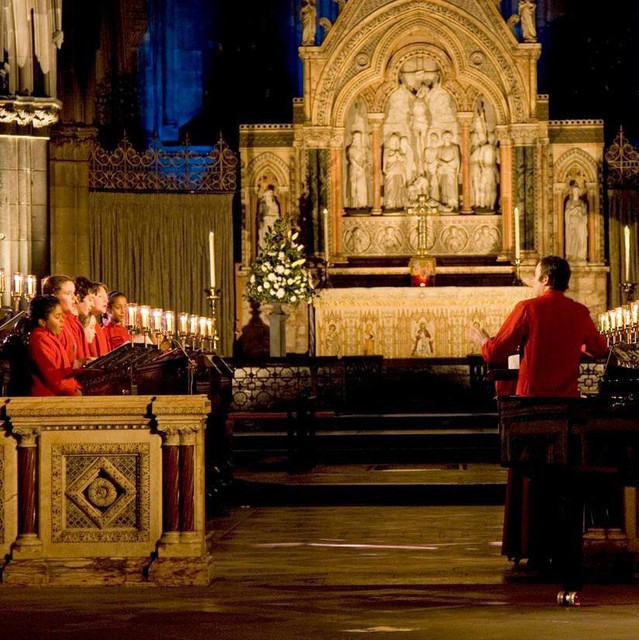
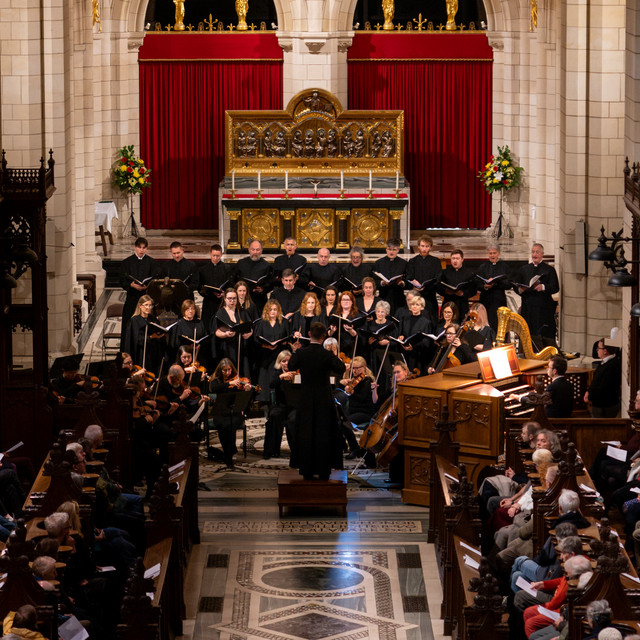
Global reach for hymns is wide. They are especially entrenched in the United States, the United Kingdom, Germany, and Scandinavia, where church music has long integrated orchestration, organ repertoire, and community singing. Yet hymnody thrives in Africa, Latin America, India, and parts of Asia as well—translated texts, local idioms, and indigenous musical flavors creating vibrant, culturally resonant expressions. The genre’s hallmark is its participatory power: simple enough for a child to learn, profound enough to reward repeated listening, and adaptable enough to live in a grand cathedral or a neighborhood church hall.
The birth of hymnody is tied to the broader rise of structured liturgical music. The word hymn comes from the Greek hymnnos, and early Christian communities borrowed and reworked classical lyric forms to praise God. In the 3rd–6th centuries, insular and continental churches began codifying short, repeatable verses suitable for group singing. By the Middle Ages, Latin hymnody and chant coexisted with developing European hymn tunes. The real seismic shift came with the Reformation in the 16th century: Martin Luther and contemporaries popularized vernacular, singable chorales—melodic tunes tethered to congregational participation—so that lay worship could be a communal act rather than a clerical performance. Luther’s chorale system, and later German hymnody, became a blueprint for many national traditions.
In England and its diasporas, hymnody blossomed into a distinctly poetic and theological craft. Isaac Watts, often called the Father of English Hymnody, reframed biblical content into meters and tunes accessible to lay singers, moving beyond psalms toward personal devotion and ethical exhortation. His successors and rivals—hymn writers such as Charles Wesley and the broader Methodist tradition—built a prolific catalog of texts and tunes that shaped English-speaking worship for generations. In America, hymn singing fused evangelical sentiment with frontier pragmatism: John Newton’s Amazing Grace, Fanny Crosby’s prolific output of evangelistic lyrics, and dozens of later composers created a vast repertoire of hymns that could be used in revival meetings, Sunday services, and school chapels.
The 19th and 20th centuries saw hymnody diversify toward what many listeners recognize today as “gospel hymns” and “contemporary hymns.” The spiritual and musical vocabulary expanded to include gospel-inflected harmonies, gospel chorus refrains, and later, highly produced worship songs. Hymn-writing families such as the Gettys (Keith and Kristyn Getty) helped establish a modern “hymn” ethos—lyrical depth, congregational-friendly melodies, and singable tunes that strive for timelessness as well as topical relevance. Contemporary worship leaders like Hillsong, Chris Tomlin, and their peers carry hymn-like texts into present-day soundscapes, while preserving the core aim: to unify a congregation in shared praise.
Global reach for hymns is wide. They are especially entrenched in the United States, the United Kingdom, Germany, and Scandinavia, where church music has long integrated orchestration, organ repertoire, and community singing. Yet hymnody thrives in Africa, Latin America, India, and parts of Asia as well—translated texts, local idioms, and indigenous musical flavors creating vibrant, culturally resonant expressions. The genre’s hallmark is its participatory power: simple enough for a child to learn, profound enough to reward repeated listening, and adaptable enough to live in a grand cathedral or a neighborhood church hall.