Genre
igbo rap
Top Igbo rap Artists
Showing 9 of 9 artists




About Igbo rap
Igbo rap is a dynamic branch of Nigerian hip-hop that delivers rapid-fire rhymes in Igbo, often braided with English or Pidgin. It doesn’t simply translate ideas from English rap into another tongue; it frames stories, brags, and social reflection in the cadence, idioms, and proverbs of the Igbo world. The sound sits at the crossroads of street storytelling and contemporary Afrobeat energy, and it has grown into one of the most recognizable regional variants of Nigerian rap.
Origins and birth: The scene began to cohere in the late 1990s and early 2000s as Igbo-speaking MCs in the southeastern states—Enugu, Anambra, Imo, and beyond—began to experiment with rapping in their mother tongue, pairing it with local rhythms and global hip-hop influences. Early pioneers laid the groundwork by mixing lyrical wit, Igbo cultural references, and social commentary, proving that language could drive the flow as much as the beat. Over the next decade, the Nigerian rap landscape opened up to more localized dialects, and Igbo became a potent vehicle for voice and identity within urban Nigeria.
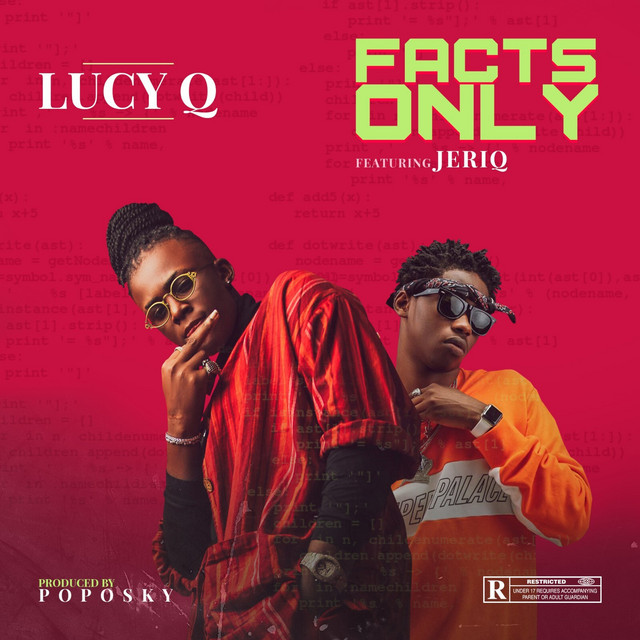
Mainstream breakthrough and ambassadors: The genre’s most visible wave arrived in the 2010s, when two artists in particular helped carry Igbo rap into national and continental consciousness. Phyno, an Enugu-born rapper and producer, became widely regarded as one of the genre’s primary ambassadors. With a string of hits and hard-hitting verses in Igbo, he fused trap-influenced drums with glossy melodies, popularizing Igbo-language rap beyond the Southeast. Zoro, from Imo State, followed with dense bars, clever wordplay, and a resolutely Igbo stance that inspired a generation of younger MCs to embrace their language without compromise. Together with a growing cohort of younger acts such as Jeriq and others who champion Igbo language in rap, Igbo‑language rap has built a cultivated ecosystem around the sound—featuring crossovers with Afrobeats and drill-inflected production.
Musical sound and culture: Igbo rap is characterized by rhythmic trickery, punchy delivery, and a knack for wordplay that riffs on Igbo proverbs, idiomatic expressions, and cultural references. Artists routinely switch between Igbo, English, and Pidgin, landing witty lines that celebrate local life, hustle, and street cred while addressing broader social themes. Production blends traditional highlife-inflected guitar lines, punchy 808 drums, and modern trap textures, creating a bridge between the old and the new that resonates with fans of both regional pride and global hip-hop aesthetics.
Where it’s popular: In Nigeria, Igbo rap has found its strongest footing in Igbo-speaking communities and major urban centers, but its influence crosses borders through streaming and diaspora networks. The core remains the Southeast and major cities like Lagos and Enugu, where language and culture give the music depth. The genre also resonates with Igbo diaspora audiences in the United Kingdom, United States, Canada, and parts of Europe, where fans crave music that reflects their roots while speaking the language of contemporary rap.
If you’re tracing linguistic roots, scouting flow, or chasing a bilingual energy with cultural texture, Igbo rap offers a sharp, culturally aware entry point into Nigeria’s vibrant rap scene.
Origins and birth: The scene began to cohere in the late 1990s and early 2000s as Igbo-speaking MCs in the southeastern states—Enugu, Anambra, Imo, and beyond—began to experiment with rapping in their mother tongue, pairing it with local rhythms and global hip-hop influences. Early pioneers laid the groundwork by mixing lyrical wit, Igbo cultural references, and social commentary, proving that language could drive the flow as much as the beat. Over the next decade, the Nigerian rap landscape opened up to more localized dialects, and Igbo became a potent vehicle for voice and identity within urban Nigeria.
Mainstream breakthrough and ambassadors: The genre’s most visible wave arrived in the 2010s, when two artists in particular helped carry Igbo rap into national and continental consciousness. Phyno, an Enugu-born rapper and producer, became widely regarded as one of the genre’s primary ambassadors. With a string of hits and hard-hitting verses in Igbo, he fused trap-influenced drums with glossy melodies, popularizing Igbo-language rap beyond the Southeast. Zoro, from Imo State, followed with dense bars, clever wordplay, and a resolutely Igbo stance that inspired a generation of younger MCs to embrace their language without compromise. Together with a growing cohort of younger acts such as Jeriq and others who champion Igbo language in rap, Igbo‑language rap has built a cultivated ecosystem around the sound—featuring crossovers with Afrobeats and drill-inflected production.
Musical sound and culture: Igbo rap is characterized by rhythmic trickery, punchy delivery, and a knack for wordplay that riffs on Igbo proverbs, idiomatic expressions, and cultural references. Artists routinely switch between Igbo, English, and Pidgin, landing witty lines that celebrate local life, hustle, and street cred while addressing broader social themes. Production blends traditional highlife-inflected guitar lines, punchy 808 drums, and modern trap textures, creating a bridge between the old and the new that resonates with fans of both regional pride and global hip-hop aesthetics.
Where it’s popular: In Nigeria, Igbo rap has found its strongest footing in Igbo-speaking communities and major urban centers, but its influence crosses borders through streaming and diaspora networks. The core remains the Southeast and major cities like Lagos and Enugu, where language and culture give the music depth. The genre also resonates with Igbo diaspora audiences in the United Kingdom, United States, Canada, and parts of Europe, where fans crave music that reflects their roots while speaking the language of contemporary rap.
If you’re tracing linguistic roots, scouting flow, or chasing a bilingual energy with cultural texture, Igbo rap offers a sharp, culturally aware entry point into Nigeria’s vibrant rap scene.