Genre
indie pop rap
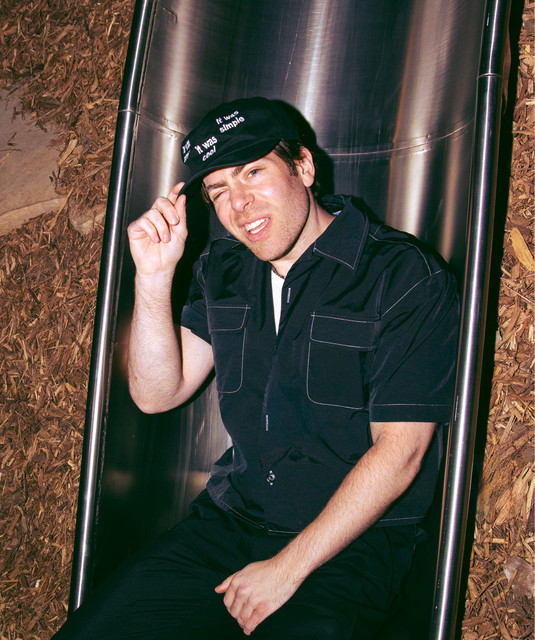
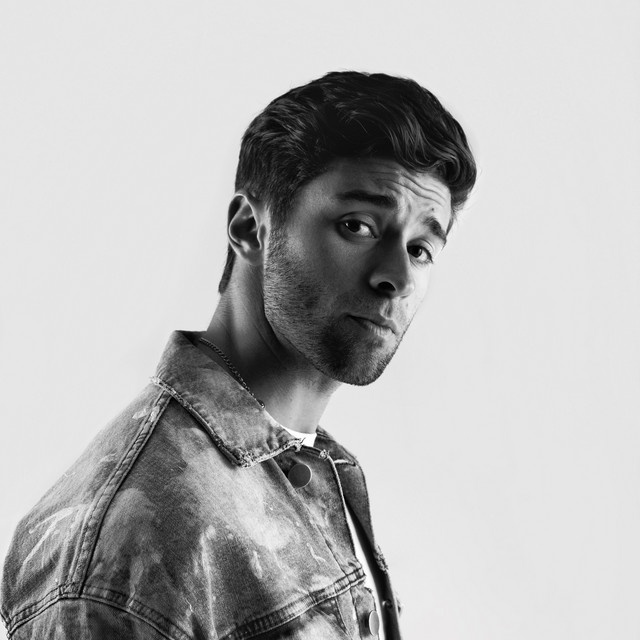
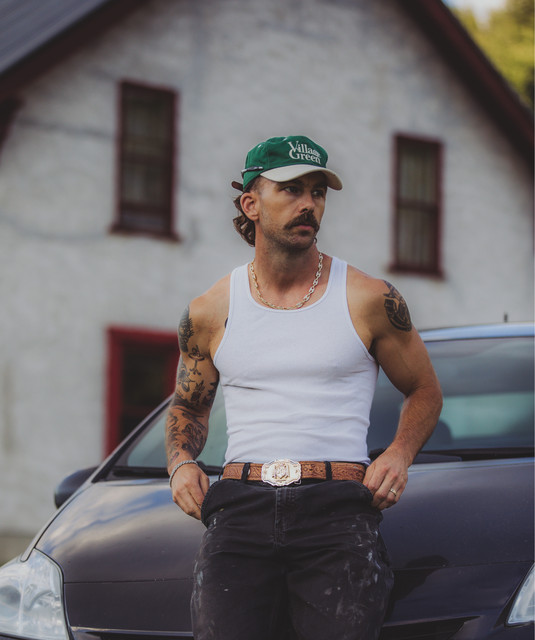
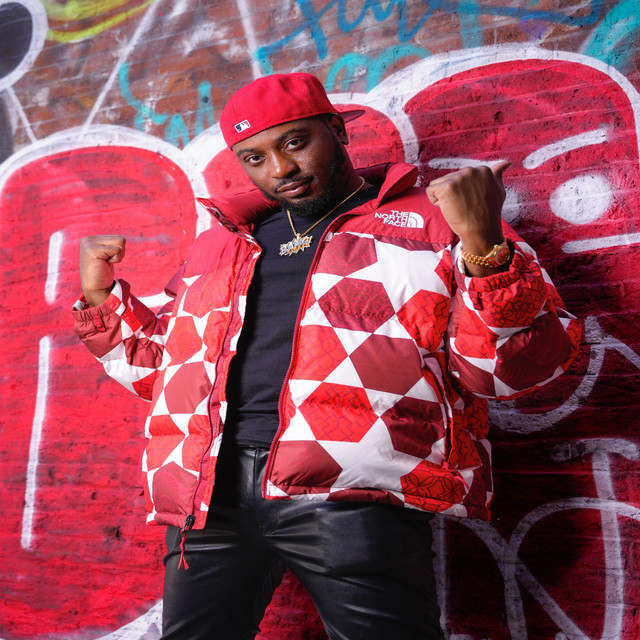
Top Indie pop rap Artists
Showing 25 of 108 artists

About Indie pop rap
Indie pop rap is a hybrid that sits at the crossroads of melodic indie pop and punchy, rhythmic rap. It brings together intimate vocal delivery, hazy or jangly instrumentals, and a hip‑hop-informed cadence, creating songs that feel both songwriter‑driven and rhythmically propelled. The result is music that sounds warm and approachable like indie pop, but with the tempo, flow, and textures of rap.
Origins and evolution
The genre didn’t crystallize overnight. Its roots lie in the late 2000s and early 2010s, when bedroom producers, indie labels, and indie-rock artists began sharing tracks that blended singing with spoken-word or fast-paced verses. The rise of streaming platforms and Bandcamp helped blur boundaries between “indie” and “hip‑hop,” allowing artists to experiment outside traditional genre confines. By the mid‑2010s, a wave of artists known for intimate, imperfect production—lo‑fi textures, reverb, and DIY aesthetics—began to flirt with rap cadences, creating a more melodic, hook‑driven form of hip‑hop. Critics and playlists sometimes labeled this approach “indie pop rap,” even as artists themselves kept mixing in influences from dream pop, bedroom pop, R&B, and folk.
Sound and production
Indie pop rap tends to favor warmth over aggression. Expect soft, melodic vocal lines, choruses you could hum on a sunny afternoon, and verses delivered with a relaxed, rap‑influenced flow. Instrumentation spans guitar, keys, synth pads, and sampled textures, often treated with generous reverb or tape‑loop vibes. Drum patterns can range from intimate, pocketed grooves to more buoyant, trap‑leaning beats, but always with an emphasis on mood and atmosphere. Lyrics tend toward introspection, relationships, self‑discovery, and the anxieties of modern life, framed in a way that rewards both sonic perception and lyricism. The genre thrives on the tension between polished pop hookery and the rough charm of DIY recording, making music that sounds both contemporary and human.
Geography and audience
Indie pop rap is most visible in the United States and parts of the United Kingdom, where streaming culture and indie labels have nurtured cross‑pollination between indie and hip‑hop scenes. Scandinavia, Canada, and parts of Western Europe also host vibrant micro‑scenes, where artists draw on coastal guitar tones, bedroom aesthetics, and local rap scenes to create a distinct but related sound. Global audiences of music enthusiasts who chase “new indie sounds” or “melodic rap” playlists often discover this hybrid through curated streaming lists, festival lineups, and indie label releases. The audience tends to value authenticity, vivid mood, and the craft of singing and rapping over bombastic two‑minute club bangers.
Ambassadors and representative voices
- Childish Gambino (Donald Glover) is frequently cited as a high‑profile example of cross‑genre experimentation that includes indie sensibilities and rap energy, paving a path for genre‑fluid artists.
- Brockhampton, a multi‑member collective, fused pop hooks, soulful choruses, and rap verses into a coherent, emotionally open catalog—an influential case study in how indie aesthetics can coexist with hip‑hop energy.
- Critics sometimes point to other singer‑rappers and melodic rappers who straddle indie and hip‑hop spaces as exemplars of the broader movement, underscoring that indie pop rap remains a fluid, evolving label rather than a fixed canon.
If you’re exploring indie pop rap, listen for tension between intimate melodies and rhythmic rap cadence, a warm, lo‑fi texture, and lyrics that feel personal and introspective. It’s a genre built as much on feeling as on form, continually evolving as artists push the boundaries of what indie pop and rap can sound like together.
Origins and evolution
The genre didn’t crystallize overnight. Its roots lie in the late 2000s and early 2010s, when bedroom producers, indie labels, and indie-rock artists began sharing tracks that blended singing with spoken-word or fast-paced verses. The rise of streaming platforms and Bandcamp helped blur boundaries between “indie” and “hip‑hop,” allowing artists to experiment outside traditional genre confines. By the mid‑2010s, a wave of artists known for intimate, imperfect production—lo‑fi textures, reverb, and DIY aesthetics—began to flirt with rap cadences, creating a more melodic, hook‑driven form of hip‑hop. Critics and playlists sometimes labeled this approach “indie pop rap,” even as artists themselves kept mixing in influences from dream pop, bedroom pop, R&B, and folk.
Sound and production
Indie pop rap tends to favor warmth over aggression. Expect soft, melodic vocal lines, choruses you could hum on a sunny afternoon, and verses delivered with a relaxed, rap‑influenced flow. Instrumentation spans guitar, keys, synth pads, and sampled textures, often treated with generous reverb or tape‑loop vibes. Drum patterns can range from intimate, pocketed grooves to more buoyant, trap‑leaning beats, but always with an emphasis on mood and atmosphere. Lyrics tend toward introspection, relationships, self‑discovery, and the anxieties of modern life, framed in a way that rewards both sonic perception and lyricism. The genre thrives on the tension between polished pop hookery and the rough charm of DIY recording, making music that sounds both contemporary and human.
Geography and audience
Indie pop rap is most visible in the United States and parts of the United Kingdom, where streaming culture and indie labels have nurtured cross‑pollination between indie and hip‑hop scenes. Scandinavia, Canada, and parts of Western Europe also host vibrant micro‑scenes, where artists draw on coastal guitar tones, bedroom aesthetics, and local rap scenes to create a distinct but related sound. Global audiences of music enthusiasts who chase “new indie sounds” or “melodic rap” playlists often discover this hybrid through curated streaming lists, festival lineups, and indie label releases. The audience tends to value authenticity, vivid mood, and the craft of singing and rapping over bombastic two‑minute club bangers.
Ambassadors and representative voices
- Childish Gambino (Donald Glover) is frequently cited as a high‑profile example of cross‑genre experimentation that includes indie sensibilities and rap energy, paving a path for genre‑fluid artists.
- Brockhampton, a multi‑member collective, fused pop hooks, soulful choruses, and rap verses into a coherent, emotionally open catalog—an influential case study in how indie aesthetics can coexist with hip‑hop energy.
- Critics sometimes point to other singer‑rappers and melodic rappers who straddle indie and hip‑hop spaces as exemplars of the broader movement, underscoring that indie pop rap remains a fluid, evolving label rather than a fixed canon.
If you’re exploring indie pop rap, listen for tension between intimate melodies and rhythmic rap cadence, a warm, lo‑fi texture, and lyrics that feel personal and introspective. It’s a genre built as much on feeling as on form, continually evolving as artists push the boundaries of what indie pop and rap can sound like together.