Genre
indie rock colombiano
Top Indie rock colombiano Artists
Showing 9 of 9 artists

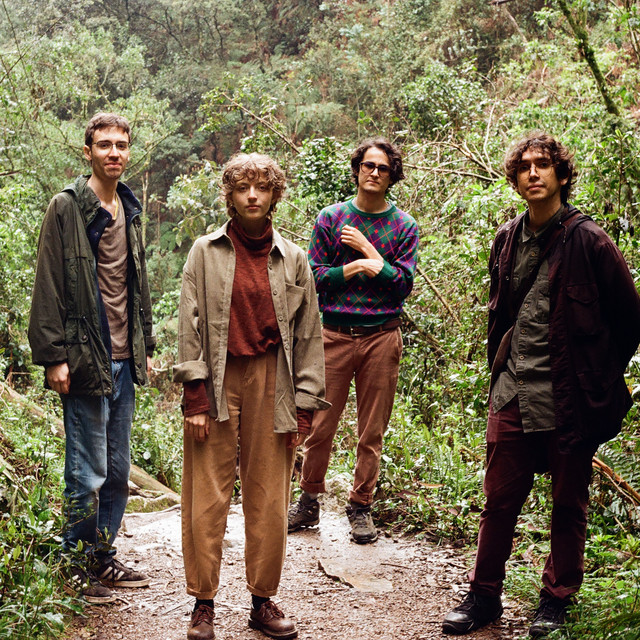


About Indie rock colombiano
Indie rock colombiano is a doorway into Colombia’s own take on the global indie rock revival, filtered through urban life, poetry in Spanish, and a stubborn DIY ethos. It’s not a single sound but a family of practices: small venues, independent labels, cassette and digital DIY releases, and a willingness to fuse guitar-driven rock with local textures and social sensibilities. The scene crystallized in the late 1990s and grew through the 2000s as Colombian bands learned to tour, self-produce, and connect with audiences across the country and beyond, often stepping onto stages at major festivals like Rock al Parque in Bogotá, which mapped a path for countless acts to reach curious listeners.
How and when it’s born is best read as a global moment filtered through Colombian cities. Nationwide access to the Internet in the 1990s and early 2000s allowed bands to bypass traditional gatekeepers and share music with Latin American peers and international fans. In Colombia, the urban centers—Bogotá, Medellín, and Cali—became crucibles where guitar-centric rock could coexist with introspective lyricism and an unmistakable sense of place. The music often keeps a melodic backbone, textures that lean toward lo-fi or jangly guitars, and production that values feel over polish. Lydian experiments, punk energy, and hints of folk or traditional rhythms appear, but always anchored in accessible, hook-driven songcraft. The result is a Colombian indie rock that sounds modern and local at once.
A defining ambassador of the genre is Aterciopelados, a band that rose to international attention in the 1990s and helped put Colombian alternative rock on the map. With a fearless DIY attitude and a willingness to blend rock with social and political themes, they offered a template for how a Colombian act could wield global indie sensibilities while remaining deeply rooted in local experience. Their work opened doors for other bands to imagine music that could travel without leaving behind the Colombian voice. Since then, a new generation of indie acts from Bogotá, Medellín, and other cities has carried that torch—artists who value originality, storytelling, and a restless curiosity about cross-cultural textures.
In terms of audience and reach, indie rock colombiano remains strongest within Colombia’s own vibrant cities, where clubs and universities sustain a steady flow of performances. Across Latin America, the genre enjoys listening communities in Mexico, Argentina, Chile, and Spain, where audiences often respond to the mix of English and Spanish lyrics, candid guitars, and the sense of independence that indie rock embodies. In the United States and Europe, the appeal tends to come through Latin American music networks, festivals, and streaming platforms that expose curious listeners to bands that speak in the language of rock while speaking in a Colombian accent.
For enthusiasts, indie rock colombiano offers something intimate and expansive at once: songs that feel personal yet universal, produced with resourceful grit, and delivered with a rhythm that nods to both global indie lineage and Colombian sensibilities. If you chase music that blends thoughtful telescoping of emotion with resilient, hands-on craft, this scene rewards attentive listening and repeated revisits.
How and when it’s born is best read as a global moment filtered through Colombian cities. Nationwide access to the Internet in the 1990s and early 2000s allowed bands to bypass traditional gatekeepers and share music with Latin American peers and international fans. In Colombia, the urban centers—Bogotá, Medellín, and Cali—became crucibles where guitar-centric rock could coexist with introspective lyricism and an unmistakable sense of place. The music often keeps a melodic backbone, textures that lean toward lo-fi or jangly guitars, and production that values feel over polish. Lydian experiments, punk energy, and hints of folk or traditional rhythms appear, but always anchored in accessible, hook-driven songcraft. The result is a Colombian indie rock that sounds modern and local at once.
A defining ambassador of the genre is Aterciopelados, a band that rose to international attention in the 1990s and helped put Colombian alternative rock on the map. With a fearless DIY attitude and a willingness to blend rock with social and political themes, they offered a template for how a Colombian act could wield global indie sensibilities while remaining deeply rooted in local experience. Their work opened doors for other bands to imagine music that could travel without leaving behind the Colombian voice. Since then, a new generation of indie acts from Bogotá, Medellín, and other cities has carried that torch—artists who value originality, storytelling, and a restless curiosity about cross-cultural textures.
In terms of audience and reach, indie rock colombiano remains strongest within Colombia’s own vibrant cities, where clubs and universities sustain a steady flow of performances. Across Latin America, the genre enjoys listening communities in Mexico, Argentina, Chile, and Spain, where audiences often respond to the mix of English and Spanish lyrics, candid guitars, and the sense of independence that indie rock embodies. In the United States and Europe, the appeal tends to come through Latin American music networks, festivals, and streaming platforms that expose curious listeners to bands that speak in the language of rock while speaking in a Colombian accent.
For enthusiasts, indie rock colombiano offers something intimate and expansive at once: songs that feel personal yet universal, produced with resourceful grit, and delivered with a rhythm that nods to both global indie lineage and Colombian sensibilities. If you chase music that blends thoughtful telescoping of emotion with resilient, hands-on craft, this scene rewards attentive listening and repeated revisits.