Genre
italian jazz
Top Italian jazz Artists
Showing 25 of 36 artists







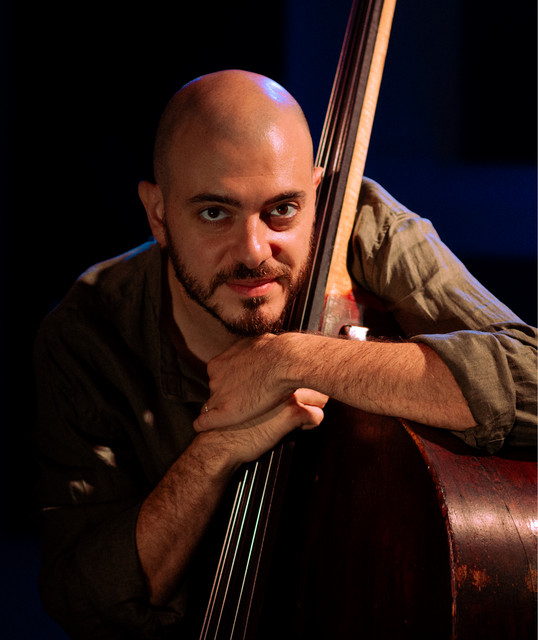
About Italian jazz
Italian jazz is a vibrant, continually evolving strand of European improvisation that dances between melodic Italian lyricism and the exuberance of American jazz. Its roots trace back to the 1920s and 1930s, when jazz records, dance bands, and radio broadcasts brought swing to Italian ballrooms and towns. The scene grew through the postwar years, absorbing bebop, cool jazz, and modernist sensibilities, while keeping a distinctly Italian sensibility: a love of strong tunes, lyrical phrasing, and a willingness to blend genres. Over the decades, Italian jazz has balanced tradition with experimentation, producing music that can feel both intimate and expansive.
If you listen for a through line, you’ll hear an arc from early orchestral swing to a contemporary language where improvisation, composition, and Italian storytelling push in new directions. The modern Italian jazz voice is not a single style but a spectrum: it embraces the clarity of European art music, the swing-driven impulse of American jazz, and the Mediterranean and regional flavors that give Italian music its particular color. This openness has encouraged collaborations across jazz, folk, classical, and film music, yielding a sound that can be cinematic, contemplative, or fiercely virtuosic.
Some of the genre’s most prominent ambassadors and contemporary torchbearers include Enrico Rava, whose trumpet has carried the Italian flag into the ECM era and beyond with a poised, lyric purity. Paolo Fresu, a master of the trumpet and flugelhorn, is equally celebrated for his warm tone and collaborative global projects. Stefano Bollani, a fearless pianist, blends wit, invention, and deep respect for tradition in performances that traverse jazz and beyond. Enrico Pieranunzi, one of Europe’s most respected pianists, is known for intricate harmony and a thoughtful approach to improvisation. Gianluigi Trovesi, versatile on clarinet and sax, integrates Italian folk-inflected melodies with modern dissent and humor. Pietro Tonolo, an outstanding saxophonist, and Fabrizio Bosso, a refined trumpeter, are essential voices in recent Italian jazz, continually contributing to the scene’s vitality.
Italy’s rhythmic and melodic sensibility is reinforced by a robust festival culture. Umbria Jazz in Perugia is one of the world’s best-known jazz gatherings, drawing legends and rising stars alike. Ferrara, Siena, and Rome host thriving festival seasons, while cities like Milan, Rome, and Naples sustain dynamic club scenes and studios. Siena Jazz, in particular, is renowned for its educational programs and for incubating new talent that pushes Italian jazz forward.
In terms of reach, Italian jazz remains most deeply rooted in Italy, where cultural institutions, schools, and venues nurture ongoing development. It also enjoys a devoted audience across Europe—with strong appreciation in France, the United Kingdom, and Germany—and has a growing footprint in Japan and the United States, where collaborations and tours keep Italian composers and improvisers in the global conversation. Italian jazz today is a community of composers, improvisers, and listeners who honor a shared tradition while continually reimagining it.
If you listen for a through line, you’ll hear an arc from early orchestral swing to a contemporary language where improvisation, composition, and Italian storytelling push in new directions. The modern Italian jazz voice is not a single style but a spectrum: it embraces the clarity of European art music, the swing-driven impulse of American jazz, and the Mediterranean and regional flavors that give Italian music its particular color. This openness has encouraged collaborations across jazz, folk, classical, and film music, yielding a sound that can be cinematic, contemplative, or fiercely virtuosic.
Some of the genre’s most prominent ambassadors and contemporary torchbearers include Enrico Rava, whose trumpet has carried the Italian flag into the ECM era and beyond with a poised, lyric purity. Paolo Fresu, a master of the trumpet and flugelhorn, is equally celebrated for his warm tone and collaborative global projects. Stefano Bollani, a fearless pianist, blends wit, invention, and deep respect for tradition in performances that traverse jazz and beyond. Enrico Pieranunzi, one of Europe’s most respected pianists, is known for intricate harmony and a thoughtful approach to improvisation. Gianluigi Trovesi, versatile on clarinet and sax, integrates Italian folk-inflected melodies with modern dissent and humor. Pietro Tonolo, an outstanding saxophonist, and Fabrizio Bosso, a refined trumpeter, are essential voices in recent Italian jazz, continually contributing to the scene’s vitality.
Italy’s rhythmic and melodic sensibility is reinforced by a robust festival culture. Umbria Jazz in Perugia is one of the world’s best-known jazz gatherings, drawing legends and rising stars alike. Ferrara, Siena, and Rome host thriving festival seasons, while cities like Milan, Rome, and Naples sustain dynamic club scenes and studios. Siena Jazz, in particular, is renowned for its educational programs and for incubating new talent that pushes Italian jazz forward.
In terms of reach, Italian jazz remains most deeply rooted in Italy, where cultural institutions, schools, and venues nurture ongoing development. It also enjoys a devoted audience across Europe—with strong appreciation in France, the United Kingdom, and Germany—and has a growing footprint in Japan and the United States, where collaborations and tours keep Italian composers and improvisers in the global conversation. Italian jazz today is a community of composers, improvisers, and listeners who honor a shared tradition while continually reimagining it.