Genre
belgian singer-songwriter
Top Belgian singer-songwriter Artists
Showing 20 of 20 artists







About Belgian singer-songwriter
Belgian singer-songwriter is less a formal genre than a distinct scene: a national slice of the broader singer‑songwriter tradition shaped by Belgium’s multilingual culture. It centers on artists who write and perform their own material, often delivering intimate, lyric‑driven storytelling in French, Dutch (Flemish), or English. The result is a tapestry that blends chanson, folk, pop, and occasional hints of jazz or rock, always foregrounding the writer’s voice.
The roots of the Belgian singer‑songwriter go deep into the 20th century. In the Francophone world, Jacques Brel stands as the towering figure who helped redefine what a songwriter could be: theatrical, poetic, a master of character and emotion, with songs that could feel like a confessional and a social commentary at once. Brel’s uncompromising artistry cast a long shadow over Belgian and European song culture, inspiring countless successors to craft personal, language-rich narratives.
Belgium’s bilingual landscape gave rise to parallel strands. In Flanders, Dutch‑language singer‑songwriters built a robust tradition of intimate storytelling through simple, direct arrangements. Figures such as Wannes Van de Velde, a cornerstone of the Flemish folk revival, and Johan Verminnen helped popularize a Dutch‑language idiom that could be both gently folksy and pointedly urban. Across the border, Francophone Belgian artists cultivated a vibrant pop‑chanson lineage that kept the emphasis on lyric craft.
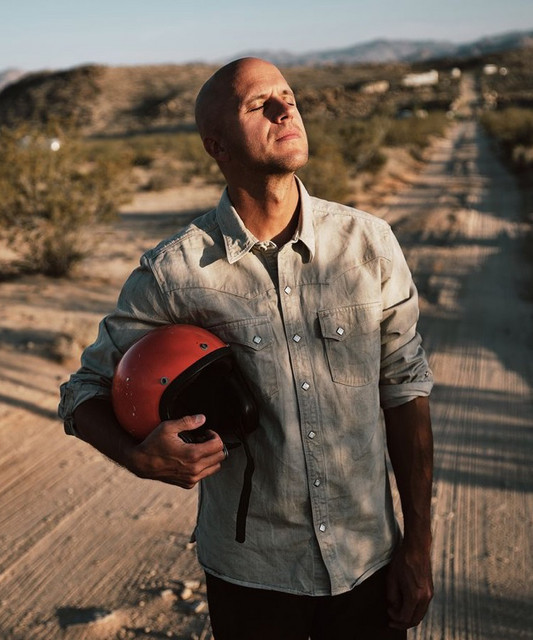
From the 1980s onward, several recognizable ambassadors helped internationalize the Belgian scene. Maurane and Axelle Red became defining voices of Francophone Belgium, combining heartfelt melodies with socially aware lyrics and a warm, singing‑toned delivery. Arno Hintjens—blending rock, blues, and chanson—carved out a raw, charismatic edge that resonated in Belgium and beyond. In the English‑language vein, Milow brought a return to guitar‑driven, nakedly melodic songwriting to international audiences, turning Belgian craftsmanship into widely accessible folk‑pop.
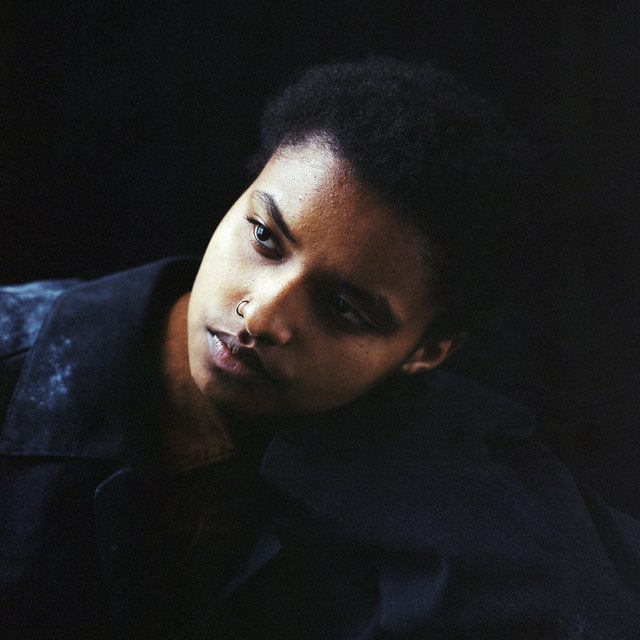
In the 21st century, the genre has continued to evolve while staying rooted in craft. Stars like Stromae—though widely categorized as a pop innovator—demonstrate how Belgian songwriters can build global platforms around self‑written songs that combine clever wordplay with striking production. Selah Sue fused soul, reggae‑tinged pop, and deeply personal lyrics, expanding the palette of what a Belgian singer‑songwriter can sound like. Today’s Belgian scene also thrives in indie and alternative circles, with artists who write, sing, and perform with a transparent, almost confessional approach.
Popularity tends to be strongest in Belgium itself, where audiences relish the language and local sensibilities. France, the Netherlands, and the francophone world (Canada’s Quebec and other Francophone regions) form natural extensions of the audience, thanks to language and cultural exchange. European audiences lean into the intimate, stripped‑back production and storytelling that define many Belgian singer‑songwriters, while streaming platforms help these artists reach new listeners worldwide.
If you’re exploring the Belgian singer‑songwriter landscape, listen for the emphasis on personal lyrics, the emphasis on voice and phrasing, and a willingness to blend languages and genres without losing the essential simplicity of a well‑written song. It’s a genre defined by craft, sincerity, and a distinctly Belgian habit of turning everyday language into art.
The roots of the Belgian singer‑songwriter go deep into the 20th century. In the Francophone world, Jacques Brel stands as the towering figure who helped redefine what a songwriter could be: theatrical, poetic, a master of character and emotion, with songs that could feel like a confessional and a social commentary at once. Brel’s uncompromising artistry cast a long shadow over Belgian and European song culture, inspiring countless successors to craft personal, language-rich narratives.
Belgium’s bilingual landscape gave rise to parallel strands. In Flanders, Dutch‑language singer‑songwriters built a robust tradition of intimate storytelling through simple, direct arrangements. Figures such as Wannes Van de Velde, a cornerstone of the Flemish folk revival, and Johan Verminnen helped popularize a Dutch‑language idiom that could be both gently folksy and pointedly urban. Across the border, Francophone Belgian artists cultivated a vibrant pop‑chanson lineage that kept the emphasis on lyric craft.
From the 1980s onward, several recognizable ambassadors helped internationalize the Belgian scene. Maurane and Axelle Red became defining voices of Francophone Belgium, combining heartfelt melodies with socially aware lyrics and a warm, singing‑toned delivery. Arno Hintjens—blending rock, blues, and chanson—carved out a raw, charismatic edge that resonated in Belgium and beyond. In the English‑language vein, Milow brought a return to guitar‑driven, nakedly melodic songwriting to international audiences, turning Belgian craftsmanship into widely accessible folk‑pop.
In the 21st century, the genre has continued to evolve while staying rooted in craft. Stars like Stromae—though widely categorized as a pop innovator—demonstrate how Belgian songwriters can build global platforms around self‑written songs that combine clever wordplay with striking production. Selah Sue fused soul, reggae‑tinged pop, and deeply personal lyrics, expanding the palette of what a Belgian singer‑songwriter can sound like. Today’s Belgian scene also thrives in indie and alternative circles, with artists who write, sing, and perform with a transparent, almost confessional approach.
Popularity tends to be strongest in Belgium itself, where audiences relish the language and local sensibilities. France, the Netherlands, and the francophone world (Canada’s Quebec and other Francophone regions) form natural extensions of the audience, thanks to language and cultural exchange. European audiences lean into the intimate, stripped‑back production and storytelling that define many Belgian singer‑songwriters, while streaming platforms help these artists reach new listeners worldwide.
If you’re exploring the Belgian singer‑songwriter landscape, listen for the emphasis on personal lyrics, the emphasis on voice and phrasing, and a willingness to blend languages and genres without losing the essential simplicity of a well‑written song. It’s a genre defined by craft, sincerity, and a distinctly Belgian habit of turning everyday language into art.