Genre
j-dance
Top J-dance Artists
Showing 25 of 330 artists







14

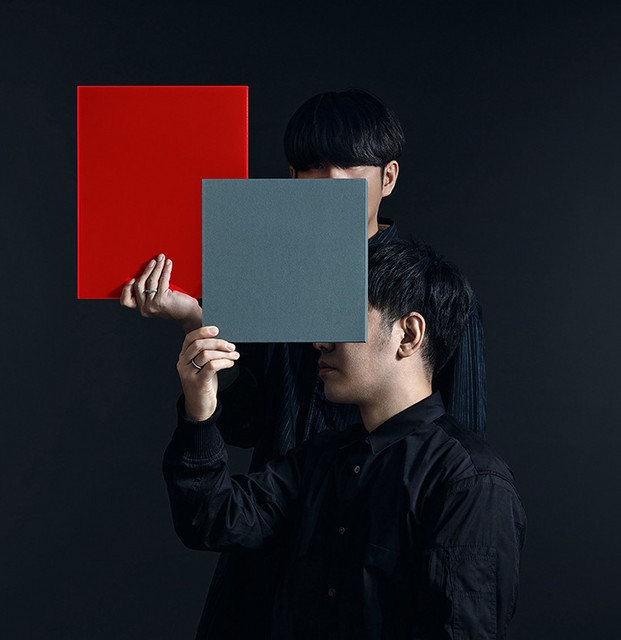
パソコン音楽クラブ
48,342
66,016 listeners







About J-dance
J-dance is a broad umbrella used by enthusiasts to describe the dance-floor side of Japanese popular music. It’s not a single fixed subgenre with rigid borders, but a sonic culture that blends J-pop melodies with club-friendly rhythms drawn from house, techno, Eurobeat, and later EDM. The result is high-energy, hook-driven tracks designed to move a crowd, often paired with meticulously choreographed performances and a distinct emphasis on glossy production and cosmopolitan aesthetics.
Born from Japan’s late-1990s club scene, J-dance crystallized as Japan’s pop industry began embracing more overtly danceable formats. Tokyo’s nightlife and the rise of major labels like Avex Trax helped push dance-inflected pop into the mainstream, while import scenes—especially Eurobeat from Italy—fed dance-floor vitality and a culture of synchronized cabaret-style clubbing. The era also popularized Para Para, a synchronized group dance that fed a wider appetite for stylized, high-tempo tracks. In short, J-dance emerged where glossy pop production met the club and the stage, yielding an engine of sound that could fill both arenas and intimate venues.
What you hear in J-dance often sits at 120–140 BPM, with bright synth lines, punchy four-on-the-floor percussion, and a penchant for memorable melodies and chant-ready hooks. The production tends toward polished, radio-ready choruses that still crackle with club energy—think of tracks that feel equally at home blasting from a car stereo and resonating through a dimly lit, mirrored room. Over the years, the palette has widened to include more aggressive electro, glossy future bass-like textures, and rising EDM-informed textures, but the core impulse remains the same: a danceable, highly crafted Japanese pop sound designed to get people moving.
Ambassadors and key figures help anchor the scene. Early emblematic acts include TRF, whose mid-1990s smash EZ DO DANCE became a touchstone for Japanese dance-pop and helped catalyze the country’s club-oriented sound. In the 2000s and beyond, producers and groups such as Perfume, Capsule, and Kyary Pamyu Pamyu helped propel J-dance into broader electronic-pop territory. Perfume, with Yasutaka Nakata at the helm, fused razor-sharp electro-pop with choreographed performances, turning live shows into genre-defining experiences. Capsule, another Nakata-driven project, pushed streamlined, synth-forward dance music that resonated with both Japanese audiences and international listeners. These artists—along with the broader ecosystem around Avex and similar labels—became ambassadors by exporting a distinctly Japanese approach to danceable pop.
Geographically, J-dance is most popular in Japan, where the culture (clubs, radio, and media) sustains a robust scene. Beyond its borders, it has found dedicated subcultures in parts of Asia, Europe, and North America—especially among fans of J-pop, anime, and electronic music who connect through festivals, online communities, and the global reach of streaming. While it remains most influential at home, the genre’s global footprint continues to expand as new generations reinterpret its dance-forward DNA.
In sum, J-dance is the modern heartbeat of Japanese dance music: a fusion of pop polish, club-ready energy, and a distinctly Japanese sense of spectacle. It’s a movement that thrives on the interplay between producer craft, performance, and a shared love for the dance-floor moment.
Born from Japan’s late-1990s club scene, J-dance crystallized as Japan’s pop industry began embracing more overtly danceable formats. Tokyo’s nightlife and the rise of major labels like Avex Trax helped push dance-inflected pop into the mainstream, while import scenes—especially Eurobeat from Italy—fed dance-floor vitality and a culture of synchronized cabaret-style clubbing. The era also popularized Para Para, a synchronized group dance that fed a wider appetite for stylized, high-tempo tracks. In short, J-dance emerged where glossy pop production met the club and the stage, yielding an engine of sound that could fill both arenas and intimate venues.
What you hear in J-dance often sits at 120–140 BPM, with bright synth lines, punchy four-on-the-floor percussion, and a penchant for memorable melodies and chant-ready hooks. The production tends toward polished, radio-ready choruses that still crackle with club energy—think of tracks that feel equally at home blasting from a car stereo and resonating through a dimly lit, mirrored room. Over the years, the palette has widened to include more aggressive electro, glossy future bass-like textures, and rising EDM-informed textures, but the core impulse remains the same: a danceable, highly crafted Japanese pop sound designed to get people moving.
Ambassadors and key figures help anchor the scene. Early emblematic acts include TRF, whose mid-1990s smash EZ DO DANCE became a touchstone for Japanese dance-pop and helped catalyze the country’s club-oriented sound. In the 2000s and beyond, producers and groups such as Perfume, Capsule, and Kyary Pamyu Pamyu helped propel J-dance into broader electronic-pop territory. Perfume, with Yasutaka Nakata at the helm, fused razor-sharp electro-pop with choreographed performances, turning live shows into genre-defining experiences. Capsule, another Nakata-driven project, pushed streamlined, synth-forward dance music that resonated with both Japanese audiences and international listeners. These artists—along with the broader ecosystem around Avex and similar labels—became ambassadors by exporting a distinctly Japanese approach to danceable pop.
Geographically, J-dance is most popular in Japan, where the culture (clubs, radio, and media) sustains a robust scene. Beyond its borders, it has found dedicated subcultures in parts of Asia, Europe, and North America—especially among fans of J-pop, anime, and electronic music who connect through festivals, online communities, and the global reach of streaming. While it remains most influential at home, the genre’s global footprint continues to expand as new generations reinterpret its dance-forward DNA.
In sum, J-dance is the modern heartbeat of Japanese dance music: a fusion of pop polish, club-ready energy, and a distinctly Japanese sense of spectacle. It’s a movement that thrives on the interplay between producer craft, performance, and a shared love for the dance-floor moment.