Genre
vaporwave
Top Vaporwave Artists
Showing 25 of 2,437 artists












About Vaporwave
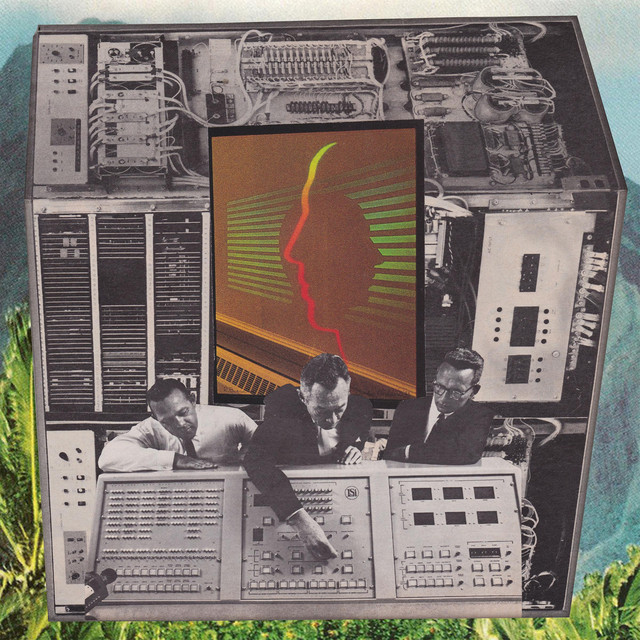
Vaporwave is a microgenre of electronic music and an accompanying internet-born aesthetic that bloomed in the early 2010s. It arose from the slow, chopped, and pitched-down sampling of 1980s and 1990s pop, R&B, lounge, and corporate muzak, paired with nostalgic visions of dead malls, neon Tokyo, and retro computer interfaces. The effect is at once nostalgic and critical, a sonic collage that invites reflection on consumer culture, memory, and the speed of digital life. The sound traveled through online platforms—Bandcamp, YouTube, Tumblr, and early 4chan threads—and quickly generated a codified vocabulary: slowed tempo around 60–90 BPM, heavy reverb, looping phrases, and often mutated, dreamlike melodies that hover between serenity and melancholy.
First wave pioneers set the template: Daniel Lopatin’s Chuck Person project with Eccojams (2010) is widely cited as a precursor, showing how simple pop hooks, stretched and refracted, can become a whole mood. A few years later Macintosh Plus released Floral Shoppe (2011–2012), a landmark album whose pastel cover and cherry-picked samples became one of vaporwave’s most enduring emblems. James Ferraro’s Far Side Virtual (2011) helped fuse glossy synth textures with a critique of consumer culture, while producers like Ramona András used alias projects to push the aesthetic into full album form. As the scene expanded, new subgenres took shape: mallsoft, a sonic travelogue through empty shopping centers and corporate atmosphere; and future funk, which revived disco and funk grooves with a sparkling 80s sheen while retaining the slowed, sample-based DNA.
Among the artists frequently cited as ambassadors of the movement are Macintosh Plus (Ramona András) for the quintessential sample collage, Chuck Person (Daniel Lopatin) for the early conceptual spark, James Ferraro for the cultural critique embedded in glossy synths, and Blank Banshee (New Zealand) for a contemporary, widely listened-to iteration that bridged internet buzz and more structured albums. Over time, other producers such as leisure-oriented beatmakers and lo-fi specialists have contributed to the sound’s diversity, expanding it into dozens of microstyles and collaborative scenes.
Geographically, vaporwave has flourished as an international online community. It thrives especially in the United States and the United Kingdom, with deep roots in Japan’s visual culture and a supportive presence across Europe, Latin America, and Oceania. The movement’s appeal lies less in live podiums than in digital circulation, remix culture, and artful curation on Bandcamp, YouTube, and Twitch, where fans exchange tracks, aesthetics, and essays about memory, capitalism, and cyberspace.
Today vaporwave remains a flexible umbrella for producers who treat music as a cultural artifact, not merely a product. For enthusiasts, it offers a kaleidoscopic lens on digitized memory, filled with retro logos, CRT glitches, pastel palettes, and the bittersweet echo of songs that never truly leave the attic of cyberspace. The scene remains elastic, welcoming new producers who mine old samples, collaborate across borders, and recontextualize familiar sounds for new generations. It is a genre that lives online as a conversation about memory, technology, and the stubborn beauty of faded brightness—an invitation to slow down and listen with curiosity and reflective imagination.
First wave pioneers set the template: Daniel Lopatin’s Chuck Person project with Eccojams (2010) is widely cited as a precursor, showing how simple pop hooks, stretched and refracted, can become a whole mood. A few years later Macintosh Plus released Floral Shoppe (2011–2012), a landmark album whose pastel cover and cherry-picked samples became one of vaporwave’s most enduring emblems. James Ferraro’s Far Side Virtual (2011) helped fuse glossy synth textures with a critique of consumer culture, while producers like Ramona András used alias projects to push the aesthetic into full album form. As the scene expanded, new subgenres took shape: mallsoft, a sonic travelogue through empty shopping centers and corporate atmosphere; and future funk, which revived disco and funk grooves with a sparkling 80s sheen while retaining the slowed, sample-based DNA.
Among the artists frequently cited as ambassadors of the movement are Macintosh Plus (Ramona András) for the quintessential sample collage, Chuck Person (Daniel Lopatin) for the early conceptual spark, James Ferraro for the cultural critique embedded in glossy synths, and Blank Banshee (New Zealand) for a contemporary, widely listened-to iteration that bridged internet buzz and more structured albums. Over time, other producers such as leisure-oriented beatmakers and lo-fi specialists have contributed to the sound’s diversity, expanding it into dozens of microstyles and collaborative scenes.
Geographically, vaporwave has flourished as an international online community. It thrives especially in the United States and the United Kingdom, with deep roots in Japan’s visual culture and a supportive presence across Europe, Latin America, and Oceania. The movement’s appeal lies less in live podiums than in digital circulation, remix culture, and artful curation on Bandcamp, YouTube, and Twitch, where fans exchange tracks, aesthetics, and essays about memory, capitalism, and cyberspace.
Today vaporwave remains a flexible umbrella for producers who treat music as a cultural artifact, not merely a product. For enthusiasts, it offers a kaleidoscopic lens on digitized memory, filled with retro logos, CRT glitches, pastel palettes, and the bittersweet echo of songs that never truly leave the attic of cyberspace. The scene remains elastic, welcoming new producers who mine old samples, collaborate across borders, and recontextualize familiar sounds for new generations. It is a genre that lives online as a conversation about memory, technology, and the stubborn beauty of faded brightness—an invitation to slow down and listen with curiosity and reflective imagination.