Genre
japanese heavy metal
Top Japanese heavy metal Artists
Showing 15 of 15 artists
1
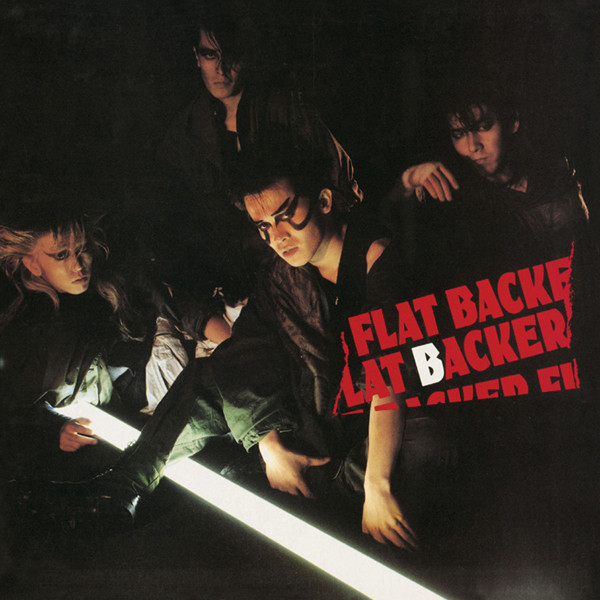
フラットバッカー
1,378
1,931 listeners

4

冥尊
14
5 listeners


About Japanese heavy metal
Japanese heavy metal is not a single sound but a history of how Western metal riffs collided with Japanese artistry to yield a fiercely theatrical, technically ambitious scene. Born in the late 1970s and flowering through the 1980s, it grew from club stages in Tokyo and Osaka into a global conversation about speed, precision, and emotion. The first wave borrowed freely from Black Sabbath, Deep Purple, and Led Zeppelin, but Japanese bands quickly added their own flavors—rapid-fire guitar lines, high-pitched screams or operatic vocals, and a flair for melodrama that echoed cinema and comics as much as charts and amps.
Among the true pioneers are Loudness, the Osaka quartet that became the first Japanese metal act to break internationally when Thunder in the East (1985) brought their ferocious riffs to American audiences. Loudness helped prove that Japanese players could master the abrasive intensity of Western metal while delivering catchy hooks and a sense of communal drive. Another pillar was Seikima-II, a theatrical metal collective formed in the early 1980s whose demon personas and elaborate stage shows turned headlining gigs into mini-spectacles; their mythic, over-the-top image helped popularize metal in mainstream Japanese culture.
On the visual kei frontier, X Japan fused speed metal with lush melodic sensibilities, power-ballad ambition, and anime-like stagecraft. Founded as X in the early 1980s, the group became a bridge between Japanese pop aesthetics and international metal appetite, with Blue Blood (1989) and later records helping to push Japanese metal toward serious global attention. In the 1990s and beyond, bands such as Dir En Grey, Galneryus, and others pushed boundaries—thrash, death, symphonic elements, and experimental textures—while still nodding to their metal ancestry. In parallel, a new cultural strand emerged: Babymetal, a 2010s sensation that fused up-tempo metal with idol pop, making Japanese metal legible and exportable to mainstream audiences worldwide.
Where is it most popular? Japan remains the heartbeat, with a thriving underground and a growing mainstream presence. Outside Asia, European listeners—especially in Germany, Finland, Italy, and the United Kingdom—have long cultivated metal scenes receptive to Japanese bands, while North American audiences responded to the cross-cultural energy of acts like X Japan and Loudness, and later, Babymetal’s global tours. The internet age and festival circuits have accelerated cross-pollination, leading to collaborations, covers, and translations that keep the repertoire dynamic.
For enthusiasts, the genre offers fast tremolo-picked riffs, dual guitar harmonies, and vocal styles ranging from operatic high notes to aggressive cries, often tempered by melodic hooks and dramatic tempo shifts. Recommended starting points include Loudness’ Thunder in the East, X Japan’s Blue Blood, Seikima-II’s demon-lord era classics, Dir En Grey’s Obscure for the more extreme, and Babymetal’s Gimme Chocolate!! for a contemporary, boundary-pushing doorway. As a living tradition, Japanese heavy metal remains both a tribute to Western metal’s power and a manifest expression of Japan’s theatrical, musical storytelling.
Among the true pioneers are Loudness, the Osaka quartet that became the first Japanese metal act to break internationally when Thunder in the East (1985) brought their ferocious riffs to American audiences. Loudness helped prove that Japanese players could master the abrasive intensity of Western metal while delivering catchy hooks and a sense of communal drive. Another pillar was Seikima-II, a theatrical metal collective formed in the early 1980s whose demon personas and elaborate stage shows turned headlining gigs into mini-spectacles; their mythic, over-the-top image helped popularize metal in mainstream Japanese culture.
On the visual kei frontier, X Japan fused speed metal with lush melodic sensibilities, power-ballad ambition, and anime-like stagecraft. Founded as X in the early 1980s, the group became a bridge between Japanese pop aesthetics and international metal appetite, with Blue Blood (1989) and later records helping to push Japanese metal toward serious global attention. In the 1990s and beyond, bands such as Dir En Grey, Galneryus, and others pushed boundaries—thrash, death, symphonic elements, and experimental textures—while still nodding to their metal ancestry. In parallel, a new cultural strand emerged: Babymetal, a 2010s sensation that fused up-tempo metal with idol pop, making Japanese metal legible and exportable to mainstream audiences worldwide.
Where is it most popular? Japan remains the heartbeat, with a thriving underground and a growing mainstream presence. Outside Asia, European listeners—especially in Germany, Finland, Italy, and the United Kingdom—have long cultivated metal scenes receptive to Japanese bands, while North American audiences responded to the cross-cultural energy of acts like X Japan and Loudness, and later, Babymetal’s global tours. The internet age and festival circuits have accelerated cross-pollination, leading to collaborations, covers, and translations that keep the repertoire dynamic.
For enthusiasts, the genre offers fast tremolo-picked riffs, dual guitar harmonies, and vocal styles ranging from operatic high notes to aggressive cries, often tempered by melodic hooks and dramatic tempo shifts. Recommended starting points include Loudness’ Thunder in the East, X Japan’s Blue Blood, Seikima-II’s demon-lord era classics, Dir En Grey’s Obscure for the more extreme, and Babymetal’s Gimme Chocolate!! for a contemporary, boundary-pushing doorway. As a living tradition, Japanese heavy metal remains both a tribute to Western metal’s power and a manifest expression of Japan’s theatrical, musical storytelling.