Genre
japanese psychedelic rock
Top Japanese psychedelic rock Artists
Showing 8 of 8 artists
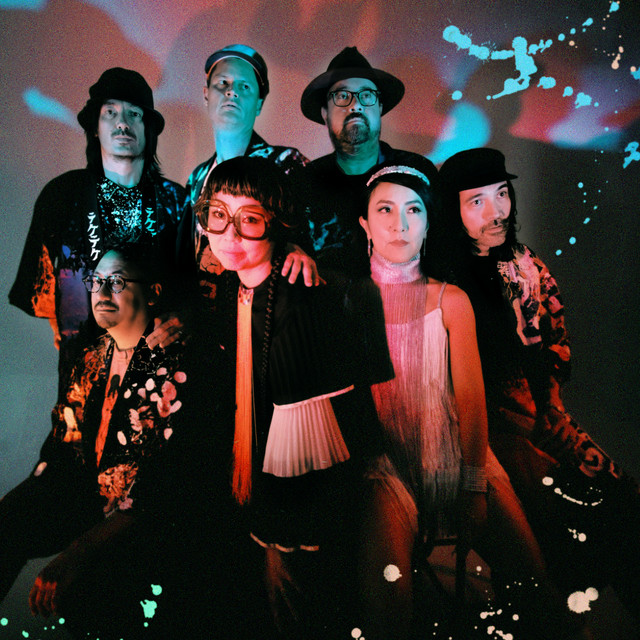
2

割礼
2,608
991 listeners


About Japanese psychedelic rock
Japanese psychedelic rock is a late-1960s flowering of sound in which Western psychedelia meets Japanese rock sensibilities, improvisation, and studio experimentation. Born from the same cultural ferment that fed the worldwide psychedelic explosion, it found its own voice in Tokyo, Osaka, and other urban centers as groups pushed beyond straightforward pop into long jams, hazy reverbs, and alienated guitar tones. The era is defined not by a single national sound but by a shared spirit: bold riffs, spectral echoes, and a willingness to let the music wander into surreal, dreamlike territories.
The birth of the genre in Japan sits at the tail end of the so‑called Group Sounds movement, when 1966–1969 bands began to fuse Western psychedelic influences with Japanese language lyrics, local attitudes, and a DIY studio ethos. The result was a sound that could be both heavy and hypnotic, with musical ideas stretched into hypnotic loops and crescendos. Early acts laid the groundwork, but the music truly opened up in the hands of a few pivotal artists who would become ambassadors for the scene. The Mops, among the earliest Japanese psychedelic bands, helped seed the form with fuzz-drenched riffs and improvisational energy. Flower Travellin’ Band emerged a couple of years later, delivering a raw, thunderous approach that culminated in their 1969 self-titled debut and the 1971 magnum opus Satori, a record that remains a touchstone for international listeners. Les Rallizes Dénudés, a cult outfit formed in 1967, pushed the form toward long, improvised, reverb-soaked passages and a lo-fi mystique that influenced countless underground acts long after they stopped actively performing. Far East Family Band extended the palette with progressive and electronic textures, bridging psychedelic rock with early synth-driven atmospheres. White Heaven and other groups in this milieu helped crystallize a distinctly Japanese take on the genre: spacious, sometimes menacing, and always mood-forward.
What makes Japanese psychedelic rock especially compelling is its dual nature: it remains rooted in the wild energy of live performance while exploiting studio playfulness—reverb, phasing, tape effects, and unusual structures—to conjure dreamlike spaces. Lyrically and emotionally, the music often veered toward introspection, mysticism, and social commentary, sometimes flavored by traditional aesthetics or theatre-inflected performance.
In terms of reach, the scene is most deeply embedded in Japan, where it forms a core part of the country’s late-60s/early-70s rock legacy. Abroad, it has long circulated among serious collectors and psych enthusiasts, with particular traction in Europe and North America during revival waves in the 1990s and 2000s that brought reissues and scholarship to the fore. Today, the genre remains a niche but influential island—fertile ground for new generations of Japanese underground and neo-psychedelic artists, who reference the classic bands while pushing the sound into new textures, tempos, and atmospheres.
If you hunt for the essence of Japanese psychedelic rock, listen for the moment when distortion becomes atmosphere, when a riff folds back into itself, and when a song’s peak feels both inevitable and uncharted. It’s a sound that rewards attentive listening and rewards the curious with a doorway into a rich, singular corner of rock history.
The birth of the genre in Japan sits at the tail end of the so‑called Group Sounds movement, when 1966–1969 bands began to fuse Western psychedelic influences with Japanese language lyrics, local attitudes, and a DIY studio ethos. The result was a sound that could be both heavy and hypnotic, with musical ideas stretched into hypnotic loops and crescendos. Early acts laid the groundwork, but the music truly opened up in the hands of a few pivotal artists who would become ambassadors for the scene. The Mops, among the earliest Japanese psychedelic bands, helped seed the form with fuzz-drenched riffs and improvisational energy. Flower Travellin’ Band emerged a couple of years later, delivering a raw, thunderous approach that culminated in their 1969 self-titled debut and the 1971 magnum opus Satori, a record that remains a touchstone for international listeners. Les Rallizes Dénudés, a cult outfit formed in 1967, pushed the form toward long, improvised, reverb-soaked passages and a lo-fi mystique that influenced countless underground acts long after they stopped actively performing. Far East Family Band extended the palette with progressive and electronic textures, bridging psychedelic rock with early synth-driven atmospheres. White Heaven and other groups in this milieu helped crystallize a distinctly Japanese take on the genre: spacious, sometimes menacing, and always mood-forward.
What makes Japanese psychedelic rock especially compelling is its dual nature: it remains rooted in the wild energy of live performance while exploiting studio playfulness—reverb, phasing, tape effects, and unusual structures—to conjure dreamlike spaces. Lyrically and emotionally, the music often veered toward introspection, mysticism, and social commentary, sometimes flavored by traditional aesthetics or theatre-inflected performance.
In terms of reach, the scene is most deeply embedded in Japan, where it forms a core part of the country’s late-60s/early-70s rock legacy. Abroad, it has long circulated among serious collectors and psych enthusiasts, with particular traction in Europe and North America during revival waves in the 1990s and 2000s that brought reissues and scholarship to the fore. Today, the genre remains a niche but influential island—fertile ground for new generations of Japanese underground and neo-psychedelic artists, who reference the classic bands while pushing the sound into new textures, tempos, and atmospheres.
If you hunt for the essence of Japanese psychedelic rock, listen for the moment when distortion becomes atmosphere, when a riff folds back into itself, and when a song’s peak feels both inevitable and uncharted. It’s a sound that rewards attentive listening and rewards the curious with a doorway into a rich, singular corner of rock history.