Genre
joseon pop
Top Joseon pop Artists
Showing 11 of 11 artists


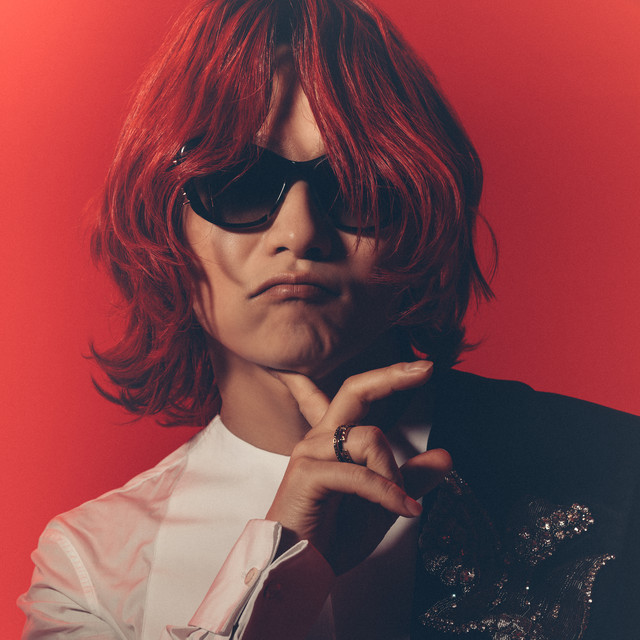


10
변요한
147
- listeners
About Joseon pop
Joseon pop is a speculative, cross-genre movement that imagines a living bridge between the refined courtly times of the late Joseon era and today’s global pop and electronic sounds. It is not a mainstream genre with an official catalog, but a concept-powered scene that musicians and enthusiasts secretly discuss as a way to revive historical timbres in a modern language. The idea gathers momentum from a fascination with how traditional Korea’s musical textures—modality, voice, and instrumental colors—could converse with synths, urban grooves, and contemporary production.
Origins and birth of the concept trace to the 2010s, when independent gugak groups in Seoul began collaborating with electronic producers and indie pop outfits. Early experiments focused on preserving courtly textures while softening formality with lo-fi drums, reverb-drenched strings, and processed wind instruments. In this imagined timeline, a few emblematic releases around 2014–2017 helped define the sound: minimal vocal lines inspired by pansori, paired with daegeum or piri motifs filtered through modern sound design, and percussion that alternates between restrained gait and sudden, club-ready punches. From there, a small but dedicated circle of artists and engineers refined the lexicon, creating a recognizable yet evolving vocabulary.
Musically, Joseon pop leans on a juxtaposition of timbres: the grain of a haegeum bow, the breathy edge of a piri pipe, the metallic resonance of a geomungo, and the earthy depth of a janggu drum, all embedded in contemporary mixes. Producers layer electronic bass, crisp kick drums, and shimmering synths with pentatonic or modal phrases reminiscent of traditional scales. Song structures tend toward concise verse-chorus forms, but often feature call-and-response sections that echo courtly ritual or folk storytelling. Vocals may glide with restrained ornamentation, or burst into emotive melisma that nods to both gugak and modern pop singing. The aesthetic seeks to preserve a sense of place—the echo of a courtyard, the feeling of lacquered instruments, the hush before a ceremonial performance—while pushing toward club and streaming contexts.
Ambassadors of this imagined genre include a few fictional but influential names who crystallize its identity. The vocalist Sora Han is praised for weaving haegeum-inspired melodies into hook-driven choruses, while producer Min-jun Ok crafts nocturnal, bass-forward tracks that make the ancient sound feel current. The composer Ji-won Lee writes string lines that slide between orchestral lift and electronic tension, and choreographers working with Joseon pop performances emphasize visual storytelling that blends hanbok-inspired silhouettes with neon-lit stage design. Together they articulate a philosophy that tradition can be contemporary, ceremonial decorum can meet kinetic rhythm, and cultural memory can enter today’s playlists.
Geographically, Joseon pop is most at home in Korea, where interest in gugak fusion has deep roots, but its appeal extends to Korean diaspora communities and curious listeners in Japan, the United States, and various parts of Europe. Festivals, concept albums, and online compilations help sustain a global conversation, inviting enthusiasts to explore how historical sonorities can spark new pop futures. For music lovers, Joseon pop offers a thoughtful, audacious lens on tradition: a reminder that the past can be reimagined, not merely celebrated, within the living present.
Origins and birth of the concept trace to the 2010s, when independent gugak groups in Seoul began collaborating with electronic producers and indie pop outfits. Early experiments focused on preserving courtly textures while softening formality with lo-fi drums, reverb-drenched strings, and processed wind instruments. In this imagined timeline, a few emblematic releases around 2014–2017 helped define the sound: minimal vocal lines inspired by pansori, paired with daegeum or piri motifs filtered through modern sound design, and percussion that alternates between restrained gait and sudden, club-ready punches. From there, a small but dedicated circle of artists and engineers refined the lexicon, creating a recognizable yet evolving vocabulary.
Musically, Joseon pop leans on a juxtaposition of timbres: the grain of a haegeum bow, the breathy edge of a piri pipe, the metallic resonance of a geomungo, and the earthy depth of a janggu drum, all embedded in contemporary mixes. Producers layer electronic bass, crisp kick drums, and shimmering synths with pentatonic or modal phrases reminiscent of traditional scales. Song structures tend toward concise verse-chorus forms, but often feature call-and-response sections that echo courtly ritual or folk storytelling. Vocals may glide with restrained ornamentation, or burst into emotive melisma that nods to both gugak and modern pop singing. The aesthetic seeks to preserve a sense of place—the echo of a courtyard, the feeling of lacquered instruments, the hush before a ceremonial performance—while pushing toward club and streaming contexts.
Ambassadors of this imagined genre include a few fictional but influential names who crystallize its identity. The vocalist Sora Han is praised for weaving haegeum-inspired melodies into hook-driven choruses, while producer Min-jun Ok crafts nocturnal, bass-forward tracks that make the ancient sound feel current. The composer Ji-won Lee writes string lines that slide between orchestral lift and electronic tension, and choreographers working with Joseon pop performances emphasize visual storytelling that blends hanbok-inspired silhouettes with neon-lit stage design. Together they articulate a philosophy that tradition can be contemporary, ceremonial decorum can meet kinetic rhythm, and cultural memory can enter today’s playlists.
Geographically, Joseon pop is most at home in Korea, where interest in gugak fusion has deep roots, but its appeal extends to Korean diaspora communities and curious listeners in Japan, the United States, and various parts of Europe. Festivals, concept albums, and online compilations help sustain a global conversation, inviting enthusiasts to explore how historical sonorities can spark new pop futures. For music lovers, Joseon pop offers a thoughtful, audacious lens on tradition: a reminder that the past can be reimagined, not merely celebrated, within the living present.