Genre
kannada pop
Top Kannada pop Artists
Showing 25 of 1,792 artists

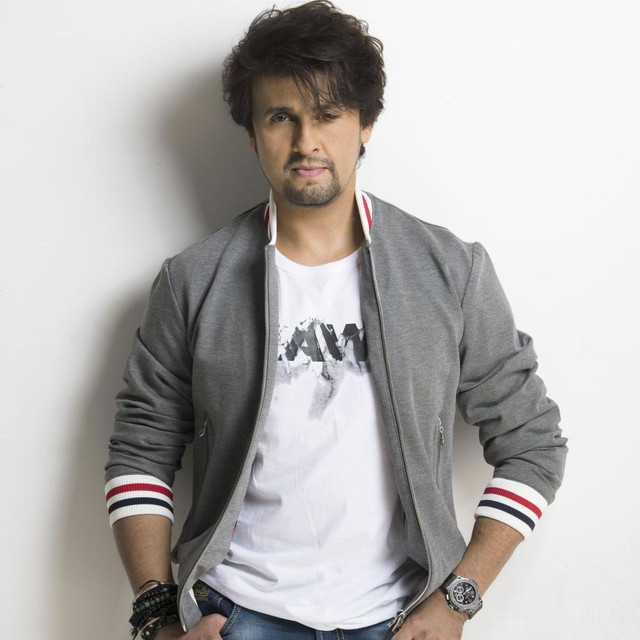
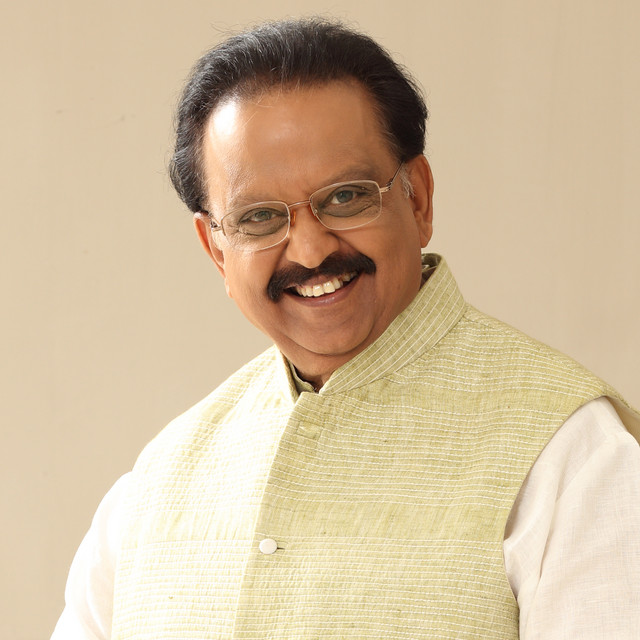
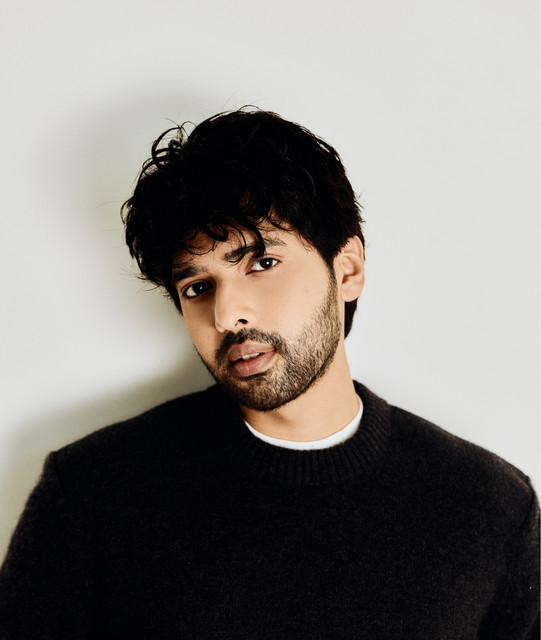
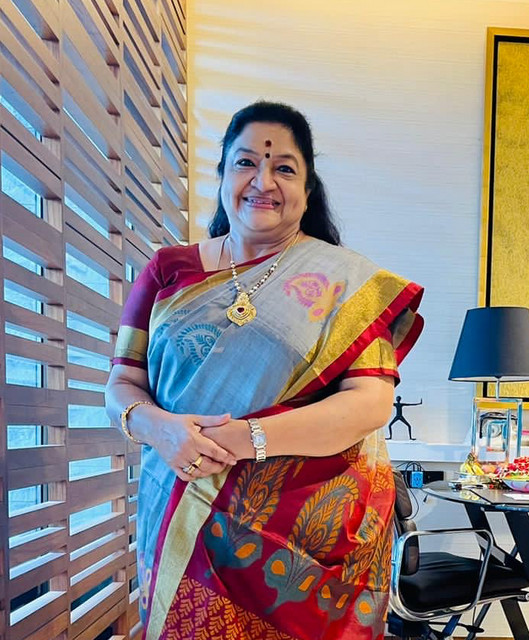








About Kannada pop
Kannada pop is the language-forward cousin of Karnataka’s rich musical tapestry, blending the melodic charm of Kannada with the energy and immediacy of global pop. The genre didn’t spring from a single moment, but grew out of late-1980s and 1990s Kannada cinema, where composers began to fuse Western pop textures with native tunes. A pivotal figure in this turning point was Hamsalekha, a prolific composer-lyricist whose accessible melodies, catchy hooks, and liberal use of contemporary production helped popularize pop-flavored listening beyond strict film songs. His work in the Kannada film industry demonstrated that Kannada-language music could ride the currents of international pop while staying rooted in local sensibilities. As film and television grew, songs crossed over more freely into non-film spaces, and audiences began to crave pure-pop singles that spoke in Kannada, not just in the context of a movie.
From the late 1990s into the 2000s, Kannada pop matured as a distinct strand. The rise of independent labels, music videos, and eventually streaming platforms created new pathways for non-film singers to cohere around a modern, radio-friendly sound: jangly guitars, elastic synth lines, danceable grooves, and a lyrical focus that could range from romance and celebration to social observation, all in Kannada. The genre also found a global stage among Kannada-speaking expatriate communities in the Gulf, Europe, and North America, where live shows, cultural festivals, and online releases kept the music alive even far from home. These diasporic pockets helped Kannada pop develop a more cosmopolitan vocabulary, while preserving the language’s tonal sweetness and poetic nuance.
Ambassadors and key artists of the genre have helped shepherd Kannada pop into wider recognition. Hamsalekha, often celebrated as a pioneer, fused Western pop aesthetics with Kannada lyric poetry and accessible melody to create a template that many artists would later emulate. In performance and recordings, veteran singer-actors such as Rajkumar provided a bridge between classic Kannada film songcraft and the evolving pop idiom, validating Kannada as a language capable of youthful, contemporary appeal. In more recent years, vocalists like Vijay Prakash have become prominent voices in the scene, bringing robust live presence and crossover-friendly singing to festival stages and streaming playlists. They stand alongside a growing cadre of independent Kannada pop artists who release singles and albums directly to fans, often via YouTube or streaming services, and who collaborate across genres to keep the sound fresh.
Musically, Kannada pop spans a spectrum. On the radio-friendly end are love songs with bright choruses and crisp, polished production; on the indie side, artists experiment by weaving Kannada lyrics with folk-inflected rhythms, rock guitar hooks, and digital textures. The language’s lyrical density—poetic, playful, and layered—lends itself to memorable refrains and sing-along hooks. Diaspora circuits—from Dubai to North America and Europe—introduce regional colors and bilingual lines that keep the music vibrant even as it travels. Common cross-genre blends include Kannada rock ballads, synth-pop, and electronic-folk hybrids, often featuring young producers who grew up with both local melodies and global pop. Instrumentation tends toward guitars, keyboards, electronic drums, and occasionally traditional strings, with Bengaluru and other Karnataka centers serving as creative hubs.
Today, Kannada pop is a living project: a language-driven pop that honors Kannada’s literary and musical heritage while inviting new voices and experimentation. It rewards attentive listening—the way a well-placed Kannada phrase can carry emotion across languages—yet remains accessible through catchy melodies and tight arrangements. As streaming expands access and touring connects artists with global audiences, the genre continues to evolve, broaden its sonic palette, and reaffirm Kannada as a dynamic, contemporary voice in world pop.
From the late 1990s into the 2000s, Kannada pop matured as a distinct strand. The rise of independent labels, music videos, and eventually streaming platforms created new pathways for non-film singers to cohere around a modern, radio-friendly sound: jangly guitars, elastic synth lines, danceable grooves, and a lyrical focus that could range from romance and celebration to social observation, all in Kannada. The genre also found a global stage among Kannada-speaking expatriate communities in the Gulf, Europe, and North America, where live shows, cultural festivals, and online releases kept the music alive even far from home. These diasporic pockets helped Kannada pop develop a more cosmopolitan vocabulary, while preserving the language’s tonal sweetness and poetic nuance.
Ambassadors and key artists of the genre have helped shepherd Kannada pop into wider recognition. Hamsalekha, often celebrated as a pioneer, fused Western pop aesthetics with Kannada lyric poetry and accessible melody to create a template that many artists would later emulate. In performance and recordings, veteran singer-actors such as Rajkumar provided a bridge between classic Kannada film songcraft and the evolving pop idiom, validating Kannada as a language capable of youthful, contemporary appeal. In more recent years, vocalists like Vijay Prakash have become prominent voices in the scene, bringing robust live presence and crossover-friendly singing to festival stages and streaming playlists. They stand alongside a growing cadre of independent Kannada pop artists who release singles and albums directly to fans, often via YouTube or streaming services, and who collaborate across genres to keep the sound fresh.
Musically, Kannada pop spans a spectrum. On the radio-friendly end are love songs with bright choruses and crisp, polished production; on the indie side, artists experiment by weaving Kannada lyrics with folk-inflected rhythms, rock guitar hooks, and digital textures. The language’s lyrical density—poetic, playful, and layered—lends itself to memorable refrains and sing-along hooks. Diaspora circuits—from Dubai to North America and Europe—introduce regional colors and bilingual lines that keep the music vibrant even as it travels. Common cross-genre blends include Kannada rock ballads, synth-pop, and electronic-folk hybrids, often featuring young producers who grew up with both local melodies and global pop. Instrumentation tends toward guitars, keyboards, electronic drums, and occasionally traditional strings, with Bengaluru and other Karnataka centers serving as creative hubs.
Today, Kannada pop is a living project: a language-driven pop that honors Kannada’s literary and musical heritage while inviting new voices and experimentation. It rewards attentive listening—the way a well-placed Kannada phrase can carry emotion across languages—yet remains accessible through catchy melodies and tight arrangements. As streaming expands access and touring connects artists with global audiences, the genre continues to evolve, broaden its sonic palette, and reaffirm Kannada as a dynamic, contemporary voice in world pop.