Genre
kc indie
Top Kc indie Artists
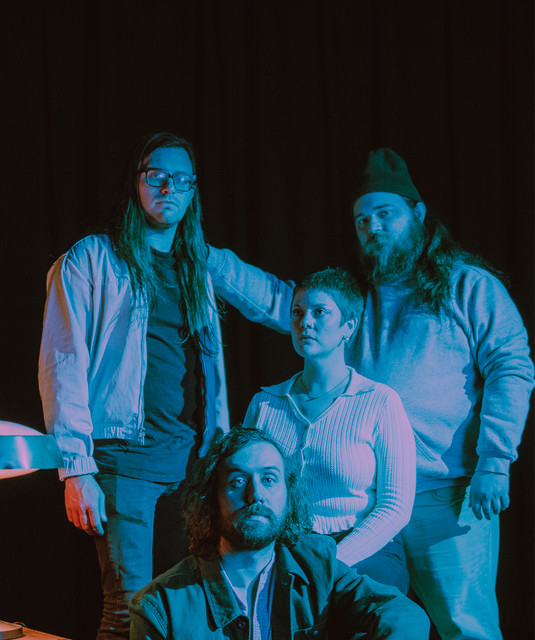
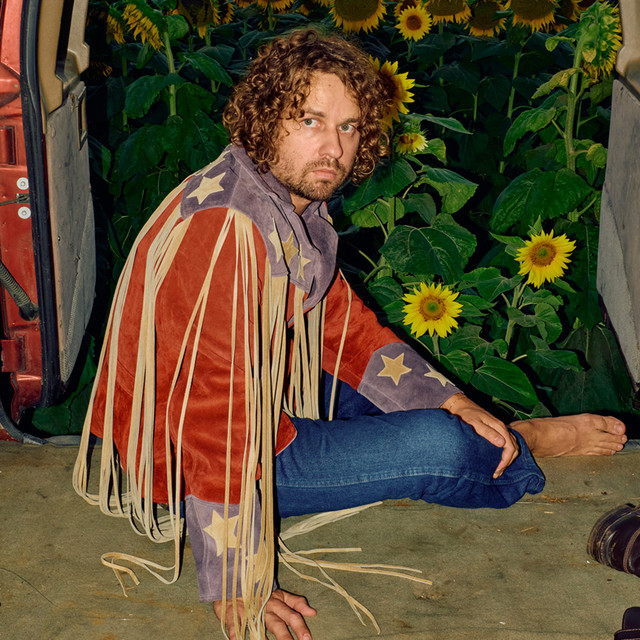
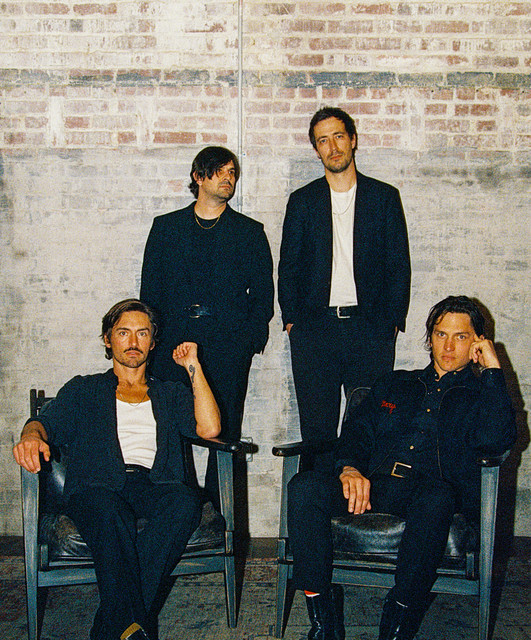
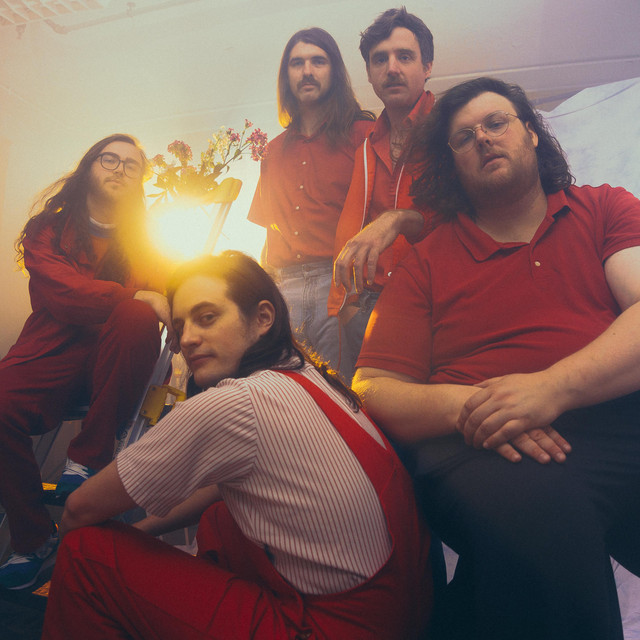
Showing 25 of 41 artists









About Kc indie
KC indie is the Kansas City–based variant of American indie rock that grew out of a tight-knit DIY culture in the late 1990s and early 2000s. It sits at an intersection of melodic indie, Midwest emo, and post-rock textures, often built around jangly guitars, clear vocal melodies, intimate lyrics, and dynamics that swing from quiet introspection to urgent crescendos. The scene didn’t arrive with a single manifesto, but rather circulated through self-run venues, house shows, coffeehouses, and small labels that prized sincerity, craft, and community over flashy hype. Its fingerprints are felt in the way bands in the region stitched together accessibility with emotional intensity, creating a sound that could feel both intimate and expansive at once.
How it was born is tied to the broader Midwest underground network. Kansas City and nearby college towns provided a dense pipeline of curious listeners, independent labels, and supportive venues that could nurture bands outside major-label expectations. By the turn of the millennium, KC indie bands began to travel and collect fans beyond Missouri and Kansas, helping to define a Midwest emo–tinged indie voice that you could hear echoing in touring schedules, split releases, and shared bills across cities with similar DIY pedigrees. The scene’s cross-pollination with post-rock and math-rock sensibilities also left a lasting imprint, adding moodier textures and occasional instrumental explorations to the more mainstream indie hooks.
Key artists and ambassadors are often cited to describe KC indie’s core: The Get Up Kids stand out as the undeniable flagship for the Kansas City scene’s emotional, guitar-forward approach. Formed in the mid-1990s, they brought a balanced blend of earnest lyricism and catchy, anthemic melody that helped propagate the “Midwest emo” ethos across the United States. The Appleseed Cast, based in Lawrence, Kansas, contributed a contrasting but complementary thread with their spacey guitar work and post-rock inflections, most prominently showcased on Mare Vitalis. The Casket Lottery, another Kansas City outfit from the same era, fused aggressive pulse with melodic clarity, reinforcing the idea that KC indie could be both emotionally direct and sonically adventurous. Together, these acts helped position KC indie as a serious alternative to coastal indie scenes, proving that a regional character could travel widely on merit.
Geographically, KC indie found its strongest resonance in the United States—especially the Midwest and West Coast—where touring circuits and regional radio helped it grow. Internationally, it attracted interest in Canada, parts of Europe, and Japan, where listeners sought out earnest, guitar-driven indie with a strong sense of place. In the streaming era, the lineage persists: younger bands in Kansas City and nearby towns continually draw on that legacy, blending classic melodic instincts with contemporary production and cross-genre curiosity.
In short, KC indie isn’t just a sound—it's a community-inclined approach to making music that values authenticity, shared spaces, and a willingness to push texture and mood while keeping melody at the forefront.
How it was born is tied to the broader Midwest underground network. Kansas City and nearby college towns provided a dense pipeline of curious listeners, independent labels, and supportive venues that could nurture bands outside major-label expectations. By the turn of the millennium, KC indie bands began to travel and collect fans beyond Missouri and Kansas, helping to define a Midwest emo–tinged indie voice that you could hear echoing in touring schedules, split releases, and shared bills across cities with similar DIY pedigrees. The scene’s cross-pollination with post-rock and math-rock sensibilities also left a lasting imprint, adding moodier textures and occasional instrumental explorations to the more mainstream indie hooks.
Key artists and ambassadors are often cited to describe KC indie’s core: The Get Up Kids stand out as the undeniable flagship for the Kansas City scene’s emotional, guitar-forward approach. Formed in the mid-1990s, they brought a balanced blend of earnest lyricism and catchy, anthemic melody that helped propagate the “Midwest emo” ethos across the United States. The Appleseed Cast, based in Lawrence, Kansas, contributed a contrasting but complementary thread with their spacey guitar work and post-rock inflections, most prominently showcased on Mare Vitalis. The Casket Lottery, another Kansas City outfit from the same era, fused aggressive pulse with melodic clarity, reinforcing the idea that KC indie could be both emotionally direct and sonically adventurous. Together, these acts helped position KC indie as a serious alternative to coastal indie scenes, proving that a regional character could travel widely on merit.
Geographically, KC indie found its strongest resonance in the United States—especially the Midwest and West Coast—where touring circuits and regional radio helped it grow. Internationally, it attracted interest in Canada, parts of Europe, and Japan, where listeners sought out earnest, guitar-driven indie with a strong sense of place. In the streaming era, the lineage persists: younger bands in Kansas City and nearby towns continually draw on that legacy, blending classic melodic instincts with contemporary production and cross-genre curiosity.
In short, KC indie isn’t just a sound—it's a community-inclined approach to making music that values authenticity, shared spaces, and a willingness to push texture and mood while keeping melody at the forefront.