Genre
vintage hollywood
Top Vintage hollywood Artists
Showing 25 of 25 artists


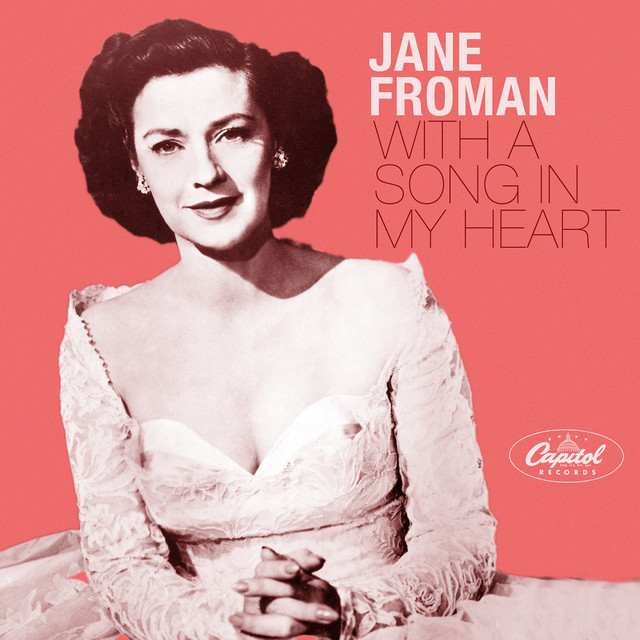
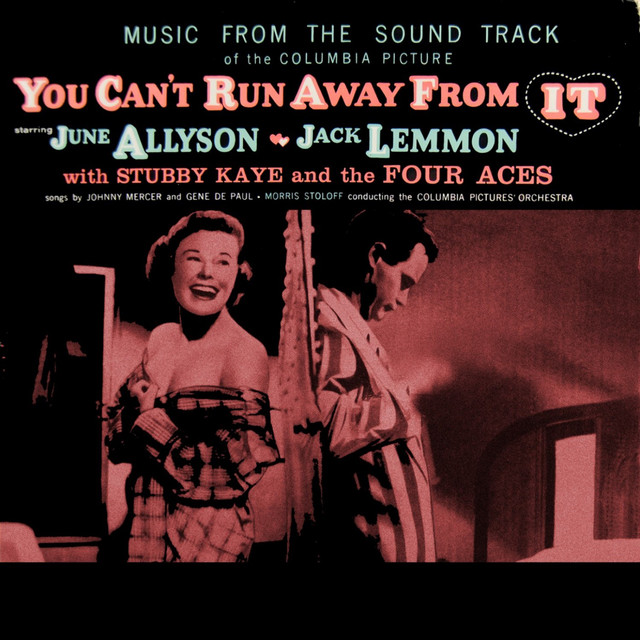

About Vintage hollywood
Vintage Hollywood is a cinematic music genre that charmingly stitches together the lush sonorities of mid‑century film scores, the glamour of show tunes, and the easy‑going sophistication of lounge and orchestral pop. It’s less a single sound than a mood: the feeling of stepping into a sunlit ballroom, the hush of a smoky nightclub, or the suspenseful sweep of a noir skyline, all conveyed through orchestral textures, melodic croon, and meticulously arranged brass and strings.
Origins and birth
The genre grows out of the Golden Age of Hollywood, roughly the 1930s through the 1950s, when film music began to be treated as a central storytelling force. Legendary composers such as Max Steiner (Gone with the Wind, Casablanca), Erich Wolfgang Korngold, and Miklós Rózsa crafted scores that could carry drama as potently as dialogue. By the 1950s and into the 1960s, the mood had broadened to embrace loungey elegance and vocal showmanship. Henry Mancini, Nelson Riddle, and their contemporaries wrote tunes and arrangements that blended film‑score polish with pop accessibility—an approach that defined what many listeners now call vintage Hollywood. The era’s influence persists in contemporary orchestral pop and in the revival circuits that curate “old‑Hollywood” playlists and retro film‑score albums.
Ambassadors and touchstones
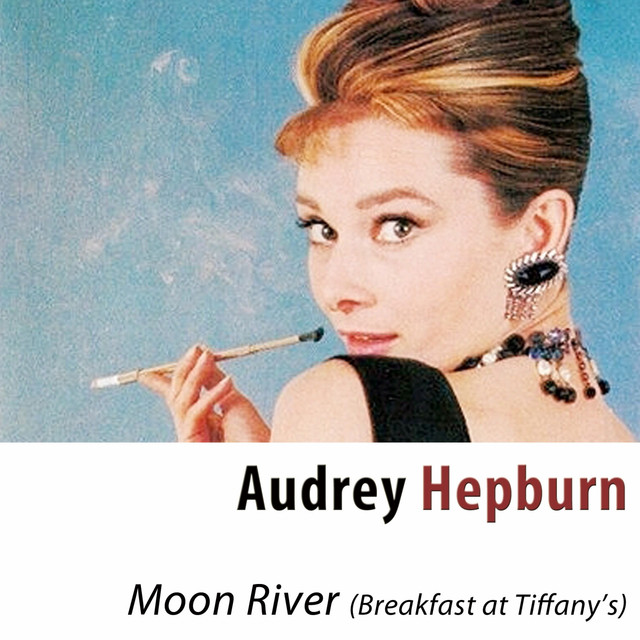
Cultural ambassadors of this sound come from both sides of the microphone and the conducting stand. Singers who personified the vintage Hollywood sensibility include Frank Sinatra, Dean Martin, Nat King Cole, Judy Garland, Ella Fitzgerald, and Billie Holiday—vocalists whose phrasing, timing, and warmth epitomize the era’s intimate, storytelling philosophy. On the podium and behind the screens, Henry Mancini’s Moon River and Peter Gunn themes, Nelson Riddle’s arrangements for the Rat Pack era, and Bernard Herrmann’s suspenseful strings (via Hitchcock’s collaborations) are archetypal references. Instrumentally, the palette favors lush strings, brass swells, woodwind color, jazz‑inflected piano, vibraphone, and tasteful guitar—plus the occasional sultry vocal line.
Geography and appeal
Vintage Hollywood has had its strongest resonance in the United States, where the era’s cinema was born, but it enjoys enduring popularity in the United Kingdom, France, Germany, Italy, and increasingly in Japan and Australia—regions with robust film and jazz‑orchestral scenes and a taste for retro aesthetics. In contemporary scenes, fans flock to it for the emotion of a well‑written film cue, the drama of a big‑band arrangement, or the quiet glamour of a ballad sung with restraint. It also thrives in boutique cinema concerts, tea‑room lounges, and modern “lounge” revivals that reinterpret classic themes for new ears.
Why it endures
Vintage Hollywood endures because it offers an accessible gateway to film music as narrative art. Its best records reward careful listening: notice the orchestral counters, the way a melody is orchestrated to mirror a character’s inner life, or how a trumpet phrase punctuates a moment of suspense. For enthusiasts, the genre is a living archive—an invitation to explore a time when cinema and music were inseparable and where every cue told a story as cinematic as the image on screen.
Starting points
Explore Mancini’s Breakfast at Tiffany’s (soundtrack), Steiner’s Casablanca score, and Herrmann’s noir‑tinged cues, then widen to Sinatra‑era albums, Nelson Riddle arrangements, and Jacques‑like orchestral pop that nods to the golden age. Whether you listen for the dramatic arc, the vintage orchestration, or the timeless crooning, vintage Hollywood rewards patient, present‑m‑oment listening.
Origins and birth
The genre grows out of the Golden Age of Hollywood, roughly the 1930s through the 1950s, when film music began to be treated as a central storytelling force. Legendary composers such as Max Steiner (Gone with the Wind, Casablanca), Erich Wolfgang Korngold, and Miklós Rózsa crafted scores that could carry drama as potently as dialogue. By the 1950s and into the 1960s, the mood had broadened to embrace loungey elegance and vocal showmanship. Henry Mancini, Nelson Riddle, and their contemporaries wrote tunes and arrangements that blended film‑score polish with pop accessibility—an approach that defined what many listeners now call vintage Hollywood. The era’s influence persists in contemporary orchestral pop and in the revival circuits that curate “old‑Hollywood” playlists and retro film‑score albums.
Ambassadors and touchstones
Cultural ambassadors of this sound come from both sides of the microphone and the conducting stand. Singers who personified the vintage Hollywood sensibility include Frank Sinatra, Dean Martin, Nat King Cole, Judy Garland, Ella Fitzgerald, and Billie Holiday—vocalists whose phrasing, timing, and warmth epitomize the era’s intimate, storytelling philosophy. On the podium and behind the screens, Henry Mancini’s Moon River and Peter Gunn themes, Nelson Riddle’s arrangements for the Rat Pack era, and Bernard Herrmann’s suspenseful strings (via Hitchcock’s collaborations) are archetypal references. Instrumentally, the palette favors lush strings, brass swells, woodwind color, jazz‑inflected piano, vibraphone, and tasteful guitar—plus the occasional sultry vocal line.
Geography and appeal
Vintage Hollywood has had its strongest resonance in the United States, where the era’s cinema was born, but it enjoys enduring popularity in the United Kingdom, France, Germany, Italy, and increasingly in Japan and Australia—regions with robust film and jazz‑orchestral scenes and a taste for retro aesthetics. In contemporary scenes, fans flock to it for the emotion of a well‑written film cue, the drama of a big‑band arrangement, or the quiet glamour of a ballad sung with restraint. It also thrives in boutique cinema concerts, tea‑room lounges, and modern “lounge” revivals that reinterpret classic themes for new ears.
Why it endures
Vintage Hollywood endures because it offers an accessible gateway to film music as narrative art. Its best records reward careful listening: notice the orchestral counters, the way a melody is orchestrated to mirror a character’s inner life, or how a trumpet phrase punctuates a moment of suspense. For enthusiasts, the genre is a living archive—an invitation to explore a time when cinema and music were inseparable and where every cue told a story as cinematic as the image on screen.
Starting points
Explore Mancini’s Breakfast at Tiffany’s (soundtrack), Steiner’s Casablanca score, and Herrmann’s noir‑tinged cues, then widen to Sinatra‑era albums, Nelson Riddle arrangements, and Jacques‑like orchestral pop that nods to the golden age. Whether you listen for the dramatic arc, the vintage orchestration, or the timeless crooning, vintage Hollywood rewards patient, present‑m‑oment listening.