Genre
klezmer
Top Klezmer Artists
Showing 25 of 48 artists











About Klezmer
Klezmer is the instrumental music of Ashkenazi Jewish celebrations, a living tradition that has carried joy, lament, and storytelling across dance floors and weddings for centuries. The name itself comes from the Yiddish klezmorim, “keepers of music,” and from the Hebrew klei zemer, “vessel of music.” Born and blended in the shtetls and towns of Eastern Europe, it absorbed local folk tunes, dance rhythms, and improvisatory habits, becoming a flexible language for communal emotion.
Historically, klezmer matured in the 18th and 19th centuries as professional musicians—klezmorim—began to travel and perform for weddings, circumcisions, and other celebrations. The core ensemble typically featured violin and clarinet as principal voices, supported by a bass or guitar, small percussion, and a chordal instrument such as an accordion or piano; the tsimbl (hammered dulcimer) and other plucked strings often joined in. The repertoire is a roller-coaster of tempos and moods: freylekh and bulgars drive fast, joyous dances; adagio doynas and nigunim (melodic, contemplative pieces) offer intimate improvisation and spiritual depth. Ornamentation—trills, slides, microtonal bends—gives klezmer its distinctive vocal-instrumental character, as though the instruments are speaking in a language of human expression.
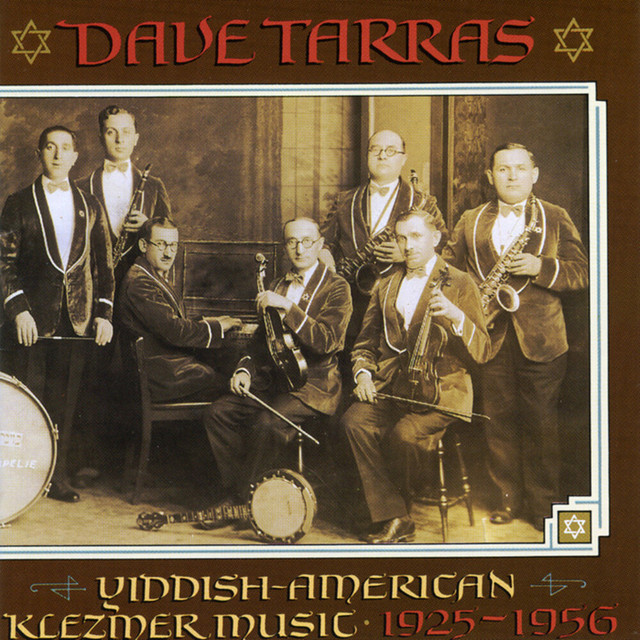
In the late 19th and early 20th centuries, tens of thousands of Ashkenazi Jews emigrated to the Americas, Israel, and other parts of Europe, taking klezmer with them. The United States became a furnace for its development, with iconic players such as Naftule Brandwein and Dave Tarras elevating the clarinet-led sound into a national voice for a new immigrant generation. Those early recordings and live performances laid the groundwork for a tradition that would survive vibrant social changes, even as radio and popular music shifted listening habits. The klezmer canon also broadened to include larger ensembles and newer sounds in the postwar era, though many communities kept the old tunes and modes close to heart.
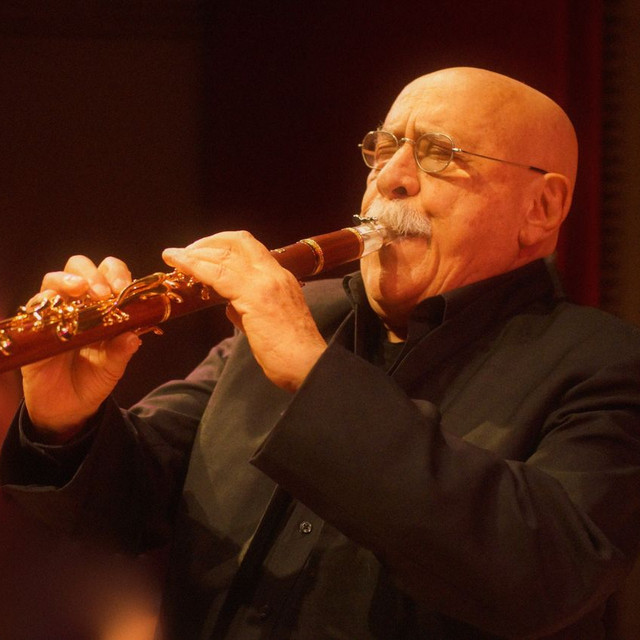
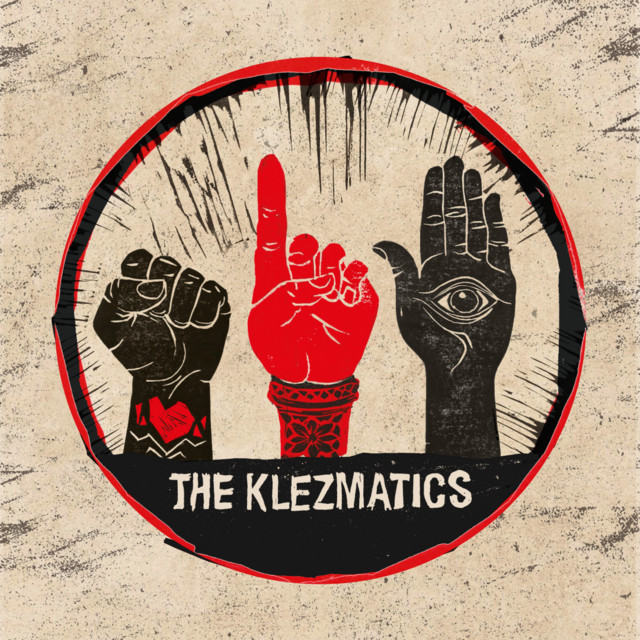
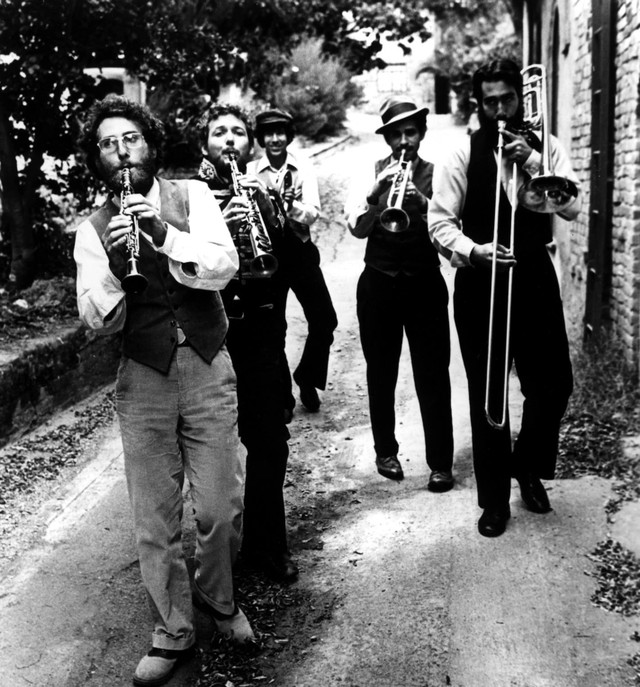
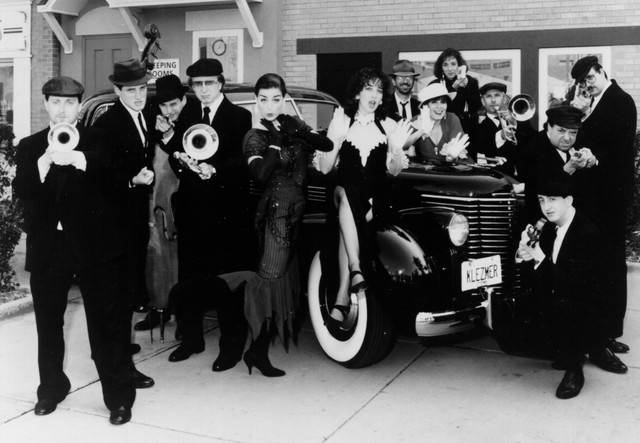
The late 20th century saw a revival that reconnected musicians to the tradition’s roots while inviting fresh influences. Ambassadors and engines of this revival include Giora Feidman, the Argentine-born clarinetist who popularized klezmer worldwide and integrated tango and Latin colors; The Klezmatics, a New York–based group whose expressive, socially engaged approach helped bring klezmer to broader audiences; the Klezmer Conservatory Band and Brave Old World, with strong ties to North American and European scenes; and Budapest Klez Orchestra and a host of European ensembles that have kept the music vital in places like Poland, Hungary, Lithuania, and beyond. Contemporary artists like David Krakauer have pushed klezmer toward jazz-inflected improvisation and creative crossovers.
Today klezmer enjoys strong popularity in Israel, the United States, and across Europe, often felt at weddings, festivals, and fusion projects that pair it with jazz, classical, or world-music idioms. Its appeal lies not only in danceable vitality but in its capacity to convey both celebration and lament through expressive, collective playing. For listeners, it offers a doorway into a centuries-old, evolving sound world that remains deeply communal and richly virtuosic.
Historically, klezmer matured in the 18th and 19th centuries as professional musicians—klezmorim—began to travel and perform for weddings, circumcisions, and other celebrations. The core ensemble typically featured violin and clarinet as principal voices, supported by a bass or guitar, small percussion, and a chordal instrument such as an accordion or piano; the tsimbl (hammered dulcimer) and other plucked strings often joined in. The repertoire is a roller-coaster of tempos and moods: freylekh and bulgars drive fast, joyous dances; adagio doynas and nigunim (melodic, contemplative pieces) offer intimate improvisation and spiritual depth. Ornamentation—trills, slides, microtonal bends—gives klezmer its distinctive vocal-instrumental character, as though the instruments are speaking in a language of human expression.
In the late 19th and early 20th centuries, tens of thousands of Ashkenazi Jews emigrated to the Americas, Israel, and other parts of Europe, taking klezmer with them. The United States became a furnace for its development, with iconic players such as Naftule Brandwein and Dave Tarras elevating the clarinet-led sound into a national voice for a new immigrant generation. Those early recordings and live performances laid the groundwork for a tradition that would survive vibrant social changes, even as radio and popular music shifted listening habits. The klezmer canon also broadened to include larger ensembles and newer sounds in the postwar era, though many communities kept the old tunes and modes close to heart.
The late 20th century saw a revival that reconnected musicians to the tradition’s roots while inviting fresh influences. Ambassadors and engines of this revival include Giora Feidman, the Argentine-born clarinetist who popularized klezmer worldwide and integrated tango and Latin colors; The Klezmatics, a New York–based group whose expressive, socially engaged approach helped bring klezmer to broader audiences; the Klezmer Conservatory Band and Brave Old World, with strong ties to North American and European scenes; and Budapest Klez Orchestra and a host of European ensembles that have kept the music vital in places like Poland, Hungary, Lithuania, and beyond. Contemporary artists like David Krakauer have pushed klezmer toward jazz-inflected improvisation and creative crossovers.
Today klezmer enjoys strong popularity in Israel, the United States, and across Europe, often felt at weddings, festivals, and fusion projects that pair it with jazz, classical, or world-music idioms. Its appeal lies not only in danceable vitality but in its capacity to convey both celebration and lament through expressive, collective playing. For listeners, it offers a doorway into a centuries-old, evolving sound world that remains deeply communal and richly virtuosic.