Genre
korean ost
Top Korean ost Artists
Showing 25 of 51 artists














About Korean ost
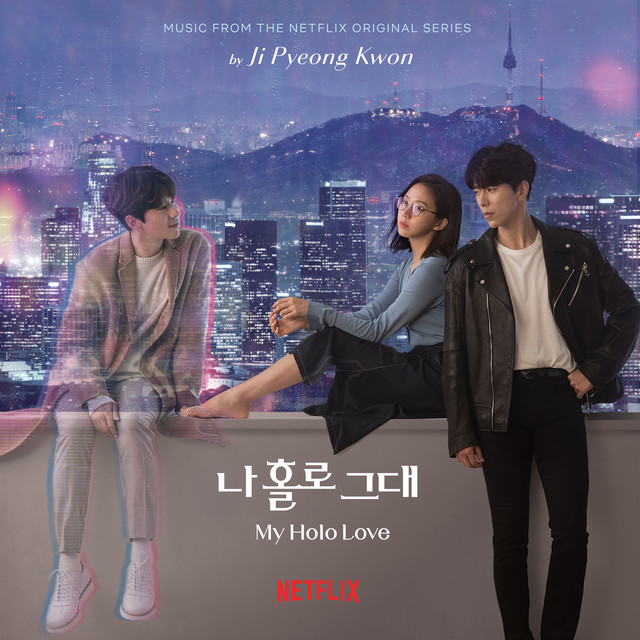
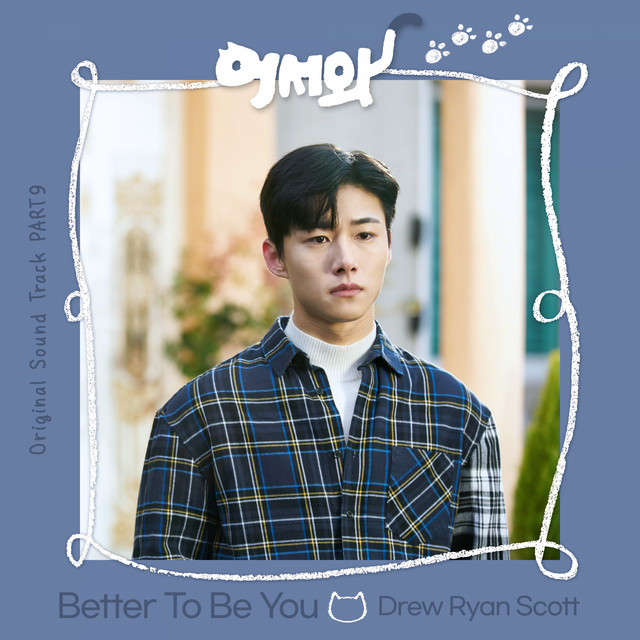
Korean OST, or Original Soundtrack, is a music genre that sits at the heart of Korean television dramas. It comprises songs that are written for, or closely associated with, a specific show, often becoming as memorable as the scenes themselves. In practice, OSTs span ballads, mid-tempo pop songs, and instrumental cues, all tailored to cue emotion, mark milestones, and deepen character arcs. These tracks circulate beyond the screen, finding life on streaming playlists, radio, and in concert programs. For many listeners, an OST is a doorway into a drama’s mood—an evocative souvenir that can revive a scene with a single chorus.
The birth of the modern OST tradition traces to the late 1990s, when Korean TV dramas began to conquer domestic screens and reach overseas audiences. Producers discovered that a well-chosen song could anchor a drama’s identity and help it travel far beyond its run. Meanwhile, popular singers and composers began collaborating with drama productions, creating a recognizable template: polished vocal performances, lush arrangements, and melodies that balance restraint with emotional lift. As K-dramas gained momentum across Asia, the OST became a crucial extension of the storytelling, shaping the listening habits of a growing fanbase and helping to propel artists into cross-media prominence.
In terms of sound, the Korean OST often foregrounds melodic specificity and emotional clarity. Piano-driven melodies, soaring strings, and intimate vocal turns are common, designed to mirror the drama’s emotional tempo—from quiet introspection to cathartic climaxes. The arrangements frequently blend pop sensibilities with classical textures or contemporary R&B flavors, producing a sound that feels both intimate and cinematic. This dual function—to serve the scene on screen and to stand alone as a listening piece—gives K-OST its distinctive pull. For music enthusiasts, the genre offers a library of motifs and themes that can be revisited across seasons, albums, and live performances.
Several singers are widely regarded as ambassadors of the K-OST world. Names like Baek Ji-young, Lyn, and Sung Si-kyung have become almost synonymous with drama ballads, thanks to a string of resonant OST performances that underscored pivotal moments in popular series. Their voices—known for emotional nuance and melodic grace—helped define the emotional language of Korean dramas and set a high bar for subsequent soundtracks. Beyond these quintessential figures, a broader ecosystem of pop icons, composers, and production teams continually contributes to the genre, blending pop accessibility with cinematic mood.
Geographically, Korean OSTs are most at home in Korea but enjoy broad popularity across East Asia and Southeast Asia—Japan, China, Taiwan, Indonesia, Malaysia, and the Philippines—where drama culture resonates strongly. In recent years, the global reach of K-dramas on platforms like Netflix, YouTube, and dedicated streaming services has expanded OST audiences to North America, Europe, and beyond. For music lovers, the genre represents a curated bridge between storytelling and sound, offering intimate ballads, cinematic orchestrations, and a gateway into the broader world of Korean popular music.
The birth of the modern OST tradition traces to the late 1990s, when Korean TV dramas began to conquer domestic screens and reach overseas audiences. Producers discovered that a well-chosen song could anchor a drama’s identity and help it travel far beyond its run. Meanwhile, popular singers and composers began collaborating with drama productions, creating a recognizable template: polished vocal performances, lush arrangements, and melodies that balance restraint with emotional lift. As K-dramas gained momentum across Asia, the OST became a crucial extension of the storytelling, shaping the listening habits of a growing fanbase and helping to propel artists into cross-media prominence.
In terms of sound, the Korean OST often foregrounds melodic specificity and emotional clarity. Piano-driven melodies, soaring strings, and intimate vocal turns are common, designed to mirror the drama’s emotional tempo—from quiet introspection to cathartic climaxes. The arrangements frequently blend pop sensibilities with classical textures or contemporary R&B flavors, producing a sound that feels both intimate and cinematic. This dual function—to serve the scene on screen and to stand alone as a listening piece—gives K-OST its distinctive pull. For music enthusiasts, the genre offers a library of motifs and themes that can be revisited across seasons, albums, and live performances.
Several singers are widely regarded as ambassadors of the K-OST world. Names like Baek Ji-young, Lyn, and Sung Si-kyung have become almost synonymous with drama ballads, thanks to a string of resonant OST performances that underscored pivotal moments in popular series. Their voices—known for emotional nuance and melodic grace—helped define the emotional language of Korean dramas and set a high bar for subsequent soundtracks. Beyond these quintessential figures, a broader ecosystem of pop icons, composers, and production teams continually contributes to the genre, blending pop accessibility with cinematic mood.
Geographically, Korean OSTs are most at home in Korea but enjoy broad popularity across East Asia and Southeast Asia—Japan, China, Taiwan, Indonesia, Malaysia, and the Philippines—where drama culture resonates strongly. In recent years, the global reach of K-dramas on platforms like Netflix, YouTube, and dedicated streaming services has expanded OST audiences to North America, Europe, and beyond. For music lovers, the genre represents a curated bridge between storytelling and sound, offering intimate ballads, cinematic orchestrations, and a gateway into the broader world of Korean popular music.