Genre
kundalini
Top Kundalini Artists
Showing 25 of 46 artists




















About Kundalini
Kundalini, as a music label, sits at the intersection of spirituality and sound. It’s less about a fixed set of instruments or tempos and more about an intention: to spark awakening, inner movement, and a trance-like state that supports breath, meditation, and devotional focus. The result is a fusion of Indian devotional music, Sufi-inflected chant, and Western ambient/electronic textures, all braided into slow-building, vibrating soundscapes that invite the listener to a journey rather than a showcase.
Origins and birth
Kundalini-inspired music emerged in the late 1980s to the 1990s, riding the wave of renewed interest in yoga, tantra, and mantra across Europe and North America. It grew from the same wellspring as new-age and world music, but with a deliberate aim: to translate the experience of kundalini energy—often described as a dormant spiritual power coiling at the base of the spine—into sound. As yoga studios and spiritual centers began hosting concerts and chanting evenings, producers and performers started crafting pieces designed to accompany inner ascent: long, meditative tracks, chant loops, and drones that encourage breathing patterns and states of receptivity.
Musical character and how it feels
A kundalini-influenced listening experience often centers on ritual repetition, breath-driven tempo, and porous boundaries between voice and instrument. Expect:
- drones and sustained tones that create a vibrating field, with tanpura-like textures and sinewaves that shimmer at minute intervals
- devotional vocals, mantras, or call-and-response chants layered over ambient/backing textures
- instrumentation drawn from Indian classical timbres (sitar, tabla, tanpura) blended with Western synths, field recordings, and subtle percussion
- slowly evolving forms, gently shifting dynamics, and a focus on atmosphere over showmanship
- a capacious sense of space, often suitable for meditation, yoga sessions, or immersive listening environments
Ambassadors and notable figures
Because kundalini as a formal genre is more of a niche trend than a strictly codified category, its ambassadors tend to be artists who foreground devotional, mantra-based, or energy-centered music in ways that align with kundalini aesthetics. Some names frequently cited in this circle include:
- Jai Uttal, a globe-trotting kirtan artist whose fusion of Indian devotional music with Western elements has inspired many listeners to explore the kundalini-conscious listening path
- Karunesh and Deva Premal, who have popularized mantra-infused spiritual music that many yogic and kundalini contexts embrace as sonic companions
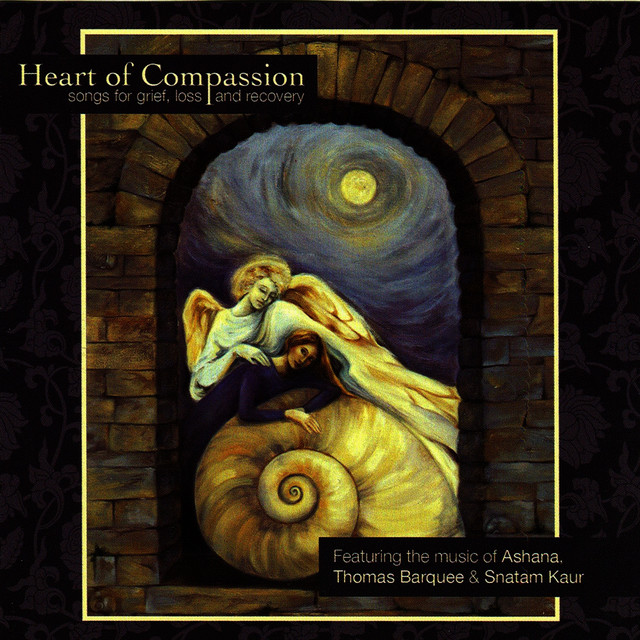
- Snatam Kaur, whose devotional chants have become touchstones for listeners seeking meditative, heart-centered resonance
In the broader ambient and world-music scenes, other producers and performers—often hybridizing electronics with sacred chant or raga-inspired textures—are also associated with the mood and goals of kundalini-oriented listening, even if they don’t label their work strictly as such.
Geography and audience
Kundalini-inspired music tends to be most visible in places with vibrant yoga and mindfulness cultures. It has found receptive audiences in the United States, United Kingdom, Germany, and other parts of Europe, as well as in India and Nepal, where devotional and raga-inflected practices intersect with contemporary sonic experimentation. It also has a foothold in Australia and parts of Scandinavia, where ambient and world music scenes intersect with wellness cultures.
In sum, kundalini music offers a sonic invitation to awaken, breathe, and travel inward. It’s a fluid, experiential genre—more a mood and practice than a rigid style—loved by enthusiasts who seek meditative depth, devotional resonance, and transformative listening.
Origins and birth
Kundalini-inspired music emerged in the late 1980s to the 1990s, riding the wave of renewed interest in yoga, tantra, and mantra across Europe and North America. It grew from the same wellspring as new-age and world music, but with a deliberate aim: to translate the experience of kundalini energy—often described as a dormant spiritual power coiling at the base of the spine—into sound. As yoga studios and spiritual centers began hosting concerts and chanting evenings, producers and performers started crafting pieces designed to accompany inner ascent: long, meditative tracks, chant loops, and drones that encourage breathing patterns and states of receptivity.
Musical character and how it feels
A kundalini-influenced listening experience often centers on ritual repetition, breath-driven tempo, and porous boundaries between voice and instrument. Expect:
- drones and sustained tones that create a vibrating field, with tanpura-like textures and sinewaves that shimmer at minute intervals
- devotional vocals, mantras, or call-and-response chants layered over ambient/backing textures
- instrumentation drawn from Indian classical timbres (sitar, tabla, tanpura) blended with Western synths, field recordings, and subtle percussion
- slowly evolving forms, gently shifting dynamics, and a focus on atmosphere over showmanship
- a capacious sense of space, often suitable for meditation, yoga sessions, or immersive listening environments
Ambassadors and notable figures
Because kundalini as a formal genre is more of a niche trend than a strictly codified category, its ambassadors tend to be artists who foreground devotional, mantra-based, or energy-centered music in ways that align with kundalini aesthetics. Some names frequently cited in this circle include:
- Jai Uttal, a globe-trotting kirtan artist whose fusion of Indian devotional music with Western elements has inspired many listeners to explore the kundalini-conscious listening path
- Karunesh and Deva Premal, who have popularized mantra-infused spiritual music that many yogic and kundalini contexts embrace as sonic companions
- Snatam Kaur, whose devotional chants have become touchstones for listeners seeking meditative, heart-centered resonance
In the broader ambient and world-music scenes, other producers and performers—often hybridizing electronics with sacred chant or raga-inspired textures—are also associated with the mood and goals of kundalini-oriented listening, even if they don’t label their work strictly as such.
Geography and audience
Kundalini-inspired music tends to be most visible in places with vibrant yoga and mindfulness cultures. It has found receptive audiences in the United States, United Kingdom, Germany, and other parts of Europe, as well as in India and Nepal, where devotional and raga-inflected practices intersect with contemporary sonic experimentation. It also has a foothold in Australia and parts of Scandinavia, where ambient and world music scenes intersect with wellness cultures.
In sum, kundalini music offers a sonic invitation to awaken, breathe, and travel inward. It’s a fluid, experiential genre—more a mood and practice than a rigid style—loved by enthusiasts who seek meditative depth, devotional resonance, and transformative listening.