Genre
kurdish hip hop
Top Kurdish hip hop Artists
Showing 25 of 34 artists




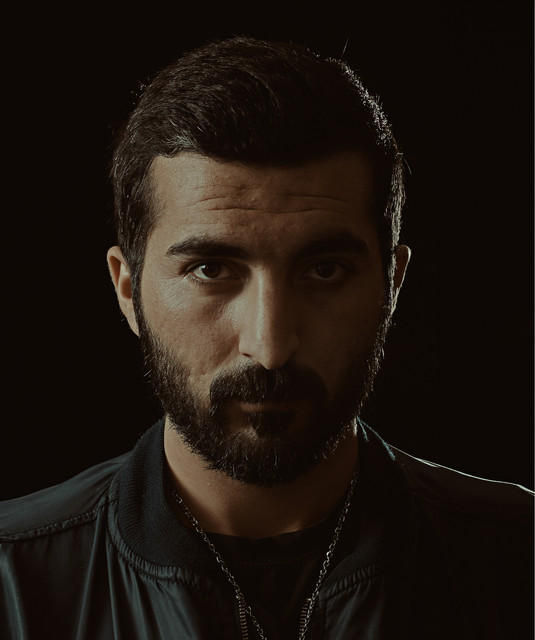





About Kurdish hip hop
Kurdish hip hop is a dynamic, crossroads-driven music genre that blends the rhythmic bite of hip hop with Kurdish language, melodies, and storytelling traditions. It emerged from a young, multilingual audience across the Kurdish-speaking world and its diaspora, taking shape in the late 1990s and early 2000s as access to global hip hop and digital networks began to connect Kurdish communities with broader urban sounds. From the outset, it was as much a culture of speech and identity as a sound: a platform for addressing exile, civil rights, political circumstance, and everyday life under pressure, all filtered through the pulse of drum patterns, sample-based textures, and (in many cases) nimble, spoken-word delivery.
Linguistically, Kurdish hip hop often favors Kurmanji and Sorani, allowing artists to capture distinct regional and familial experiences while also inviting Turkish, Arabic, Persian, and English phrases to reflect cross-border realities. The production palette ranges from boom-bap and trap-influenced drums to flirtations with traditional Kurdish modes and instruments, creating a sonic language that can feel both contemporary and rooted in memory. Lyrically, the genre covers a broad spectrum: resistance and protest, diaspora longing, love and social life, the costs of displacement, language preservation, and the tension between tradition and modernity. The music often emphasizes authenticity and storytelling, using direct, intimate vocal delivery to connect with listeners who share a sense of belonging to multiple worlds.
Historically, Kurdish hip hop developed in parallel with Kurdish political and cultural movements, with the internet playing a crucial role in disseminating tracks beyond local scenes. Early works tended to be underground, circulated through independent labels, local crews, and online platforms that allowed Kurdish youth in Turkey, Iraqi Kurdistan, Iran, Syria, and Europe to communicate across borders. Over time, scenes in Europe—especially in Germany, Sweden, the Netherlands, France, and the UK—helped formalize a more visible ecosystem: artists could collaborate, release music through independent labels, and perform at community events, clubs, and festivals. In Turkey and Iraq’s Kurdistan region, the genre also found a space to express political discontent, cultural pride, and the tension between censorship and creative expression, often serving as a counter-narrative to dominant media portrayals.
Today, Kurdish hip hop is most robust in the Kurdish diaspora in Europe, where large, active youth communities provide a fertile audience and a steady supply of producers, studios, and livestreamed performances. It also maintains a significant presence in Iraq’s Kurdistan Region and in urban centers in Turkey, where fans and artists alike navigate a complex political landscape to keep the culture vibrant. Ambassadors of the genre are less about a single voice and more about a transnational network: crews and collectives across cities, festivals that spotlight Kurdish-language rap, and media platforms that routinely feature Kurdish-speaking MCs who push lyrical and sonic boundaries while preserving a sense of shared identity.
If you’d like, I can tailor this description to highlight specific artists or include verified names from particular regions or time periods, with sources to back them up.
Linguistically, Kurdish hip hop often favors Kurmanji and Sorani, allowing artists to capture distinct regional and familial experiences while also inviting Turkish, Arabic, Persian, and English phrases to reflect cross-border realities. The production palette ranges from boom-bap and trap-influenced drums to flirtations with traditional Kurdish modes and instruments, creating a sonic language that can feel both contemporary and rooted in memory. Lyrically, the genre covers a broad spectrum: resistance and protest, diaspora longing, love and social life, the costs of displacement, language preservation, and the tension between tradition and modernity. The music often emphasizes authenticity and storytelling, using direct, intimate vocal delivery to connect with listeners who share a sense of belonging to multiple worlds.
Historically, Kurdish hip hop developed in parallel with Kurdish political and cultural movements, with the internet playing a crucial role in disseminating tracks beyond local scenes. Early works tended to be underground, circulated through independent labels, local crews, and online platforms that allowed Kurdish youth in Turkey, Iraqi Kurdistan, Iran, Syria, and Europe to communicate across borders. Over time, scenes in Europe—especially in Germany, Sweden, the Netherlands, France, and the UK—helped formalize a more visible ecosystem: artists could collaborate, release music through independent labels, and perform at community events, clubs, and festivals. In Turkey and Iraq’s Kurdistan region, the genre also found a space to express political discontent, cultural pride, and the tension between censorship and creative expression, often serving as a counter-narrative to dominant media portrayals.
Today, Kurdish hip hop is most robust in the Kurdish diaspora in Europe, where large, active youth communities provide a fertile audience and a steady supply of producers, studios, and livestreamed performances. It also maintains a significant presence in Iraq’s Kurdistan Region and in urban centers in Turkey, where fans and artists alike navigate a complex political landscape to keep the culture vibrant. Ambassadors of the genre are less about a single voice and more about a transnational network: crews and collectives across cities, festivals that spotlight Kurdish-language rap, and media platforms that routinely feature Kurdish-speaking MCs who push lyrical and sonic boundaries while preserving a sense of shared identity.
If you’d like, I can tailor this description to highlight specific artists or include verified names from particular regions or time periods, with sources to back them up.