Genre
latin jazz
Top Latin jazz Artists
Showing 25 of 2,804 artists
About Latin jazz
Latin jazz is a living dialogue between Caribbean fire and American improvisation. It isn’t a single, fixed style but a family of sounds that grew from Afro-Cuban rhythmic ideas meeting jazz’s swing, harmony, and collective playing. The genre truly took shape in mid-20th-century New York, where musicians living in the orbit of the Cuban and Puerto Rican communities began to fuse Latin percussion and song forms with bebop energy and big-band sophistication.
A landmark moment came with Machito and his Afrocuban All–Stars, alongside the dancer-percussionist Chano Pozo and arranger Mario Bauzá. Their collaborations produced Manteca (1947), a track that fused call-and-response horn lines with Afro-Cuban percussion and jazz improvisation. That recording and the band’s approach showed how Latin rhythms could energize jazz structures rather than sit on top of them. From there, the late 1940s and 1950s saw a rapid expansion: Dizzy Gillespie’s big band projects with Latin collaborators helped crystallize a vocabulary that could swing with bebop and breathe with congas, timbales, and montuno piano patterns.
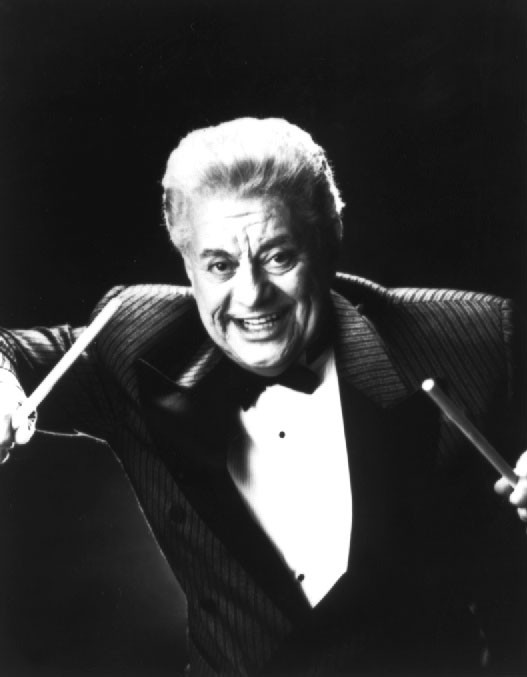
In the 1950s and beyond, the Latin-jazz palette broadened. Tito Puente emerged as one of the genre’s most enduring ambassadors, turning the timbales and vibraphone into a kinetic engine of groove and improvisation. Mongo Santamaría brought irresistible Afro-Latin grooves into jazz repertoires—most famously with Watermelon Man—helping to popularize Latin grooves among jazz listeners across the United States. Cal Tjader, the California-based vibraphonist, became a pivotal bridge between Latin rhythms and mainstream jazz audiences, recording extensively with Latin percussionists and vocalists and proving that Latin jazz could be both accessible and deeply sophisticated. The era also nurtured the descarga, spontaneous urban jam sessions that stretched the vocabulary through loose, high-energy improvisation.
Key artists and ambassadors who helped define and carry the flag include Dizzy Gillespie, Machito, Chano Pozo, Tito Puente, Mongo Santamaría, Cal Tjader, Paquito D’Rivera, Arturo Sandoval, Chucho Valdés, and Gonzalo Rubalcaba. Each brought a distinct voice—Puente’s swaggering showmanship, Santamaría’s earthy groove, Tjader’s melodic elegance, or Rubalcaba’s virtuosic piano and composition—yet all shared a respect for the clave, those interlocking rhythmic anchors that can be 2-3 or 3-2 in feel and keep the music grounded even as improvisers stretch out.
Rhythms and textures define the sound: congas, bongos, timbales, and the drum kit providing the heartbeat; piano montuno driving repetitive, hypnotic piano figures; horns trading improvised lines in a tight, responsive conversation. The result is music that can feel both deeply rooted in Afro-Cuban ritual and irresistibly modern, capable of swapping between dense, danceable grooves and expansive, exploratory solos.
Latin jazz enjoys wide popularity in many countries. It has a strong home in the United States—especially New York City and Miami—where Latin communities and jazz history intersect. It remains central in Cuba and Puerto Rico, with ongoing scenes across Latin America in cities like Mexico City and Buenos Aires as well as in Europe (Spain, France, the UK) and beyond. Today’s artists continue to blend salsa, boogaloo, funk, and contemporary jazz harmonies, often crossing into world music and fusion contexts, ensuring that Latin jazz stays vital, evolving, and warmly embraced by music enthusiasts who crave both tradition and innovation.
A landmark moment came with Machito and his Afrocuban All–Stars, alongside the dancer-percussionist Chano Pozo and arranger Mario Bauzá. Their collaborations produced Manteca (1947), a track that fused call-and-response horn lines with Afro-Cuban percussion and jazz improvisation. That recording and the band’s approach showed how Latin rhythms could energize jazz structures rather than sit on top of them. From there, the late 1940s and 1950s saw a rapid expansion: Dizzy Gillespie’s big band projects with Latin collaborators helped crystallize a vocabulary that could swing with bebop and breathe with congas, timbales, and montuno piano patterns.
In the 1950s and beyond, the Latin-jazz palette broadened. Tito Puente emerged as one of the genre’s most enduring ambassadors, turning the timbales and vibraphone into a kinetic engine of groove and improvisation. Mongo Santamaría brought irresistible Afro-Latin grooves into jazz repertoires—most famously with Watermelon Man—helping to popularize Latin grooves among jazz listeners across the United States. Cal Tjader, the California-based vibraphonist, became a pivotal bridge between Latin rhythms and mainstream jazz audiences, recording extensively with Latin percussionists and vocalists and proving that Latin jazz could be both accessible and deeply sophisticated. The era also nurtured the descarga, spontaneous urban jam sessions that stretched the vocabulary through loose, high-energy improvisation.
Key artists and ambassadors who helped define and carry the flag include Dizzy Gillespie, Machito, Chano Pozo, Tito Puente, Mongo Santamaría, Cal Tjader, Paquito D’Rivera, Arturo Sandoval, Chucho Valdés, and Gonzalo Rubalcaba. Each brought a distinct voice—Puente’s swaggering showmanship, Santamaría’s earthy groove, Tjader’s melodic elegance, or Rubalcaba’s virtuosic piano and composition—yet all shared a respect for the clave, those interlocking rhythmic anchors that can be 2-3 or 3-2 in feel and keep the music grounded even as improvisers stretch out.
Rhythms and textures define the sound: congas, bongos, timbales, and the drum kit providing the heartbeat; piano montuno driving repetitive, hypnotic piano figures; horns trading improvised lines in a tight, responsive conversation. The result is music that can feel both deeply rooted in Afro-Cuban ritual and irresistibly modern, capable of swapping between dense, danceable grooves and expansive, exploratory solos.
Latin jazz enjoys wide popularity in many countries. It has a strong home in the United States—especially New York City and Miami—where Latin communities and jazz history intersect. It remains central in Cuba and Puerto Rico, with ongoing scenes across Latin America in cities like Mexico City and Buenos Aires as well as in Europe (Spain, France, the UK) and beyond. Today’s artists continue to blend salsa, boogaloo, funk, and contemporary jazz harmonies, often crossing into world music and fusion contexts, ensuring that Latin jazz stays vital, evolving, and warmly embraced by music enthusiasts who crave both tradition and innovation.