Artist
Astrud Gilberto
Last updated: 3 hours ago
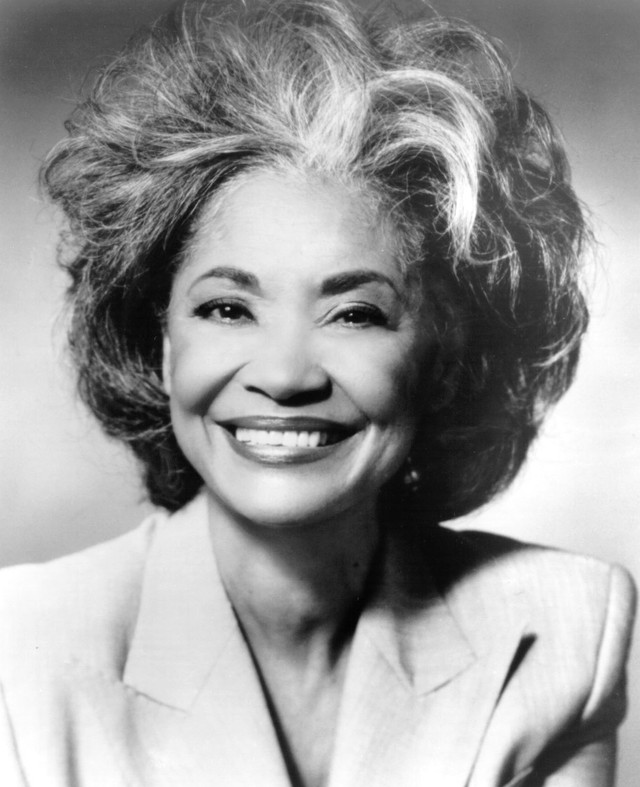
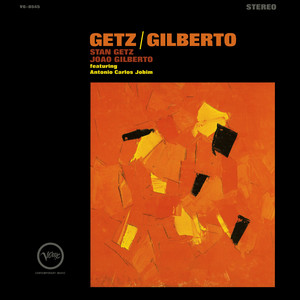
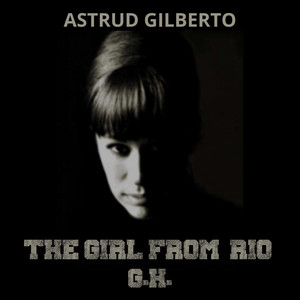
Best known as the vocalist with the honey-toned, lamb-like delivery on the surprise Brazilian crossover hit "The Girl from Ipanema," Astrud Gilberto parlayed her previously unscheduled appearance (and professional singing debut) on the song into a lengthy career. While in attendance at the 1963 Getz/Gilberto (<a href="spotify:artist:0FMucZsEnCxs5pqBjHjIc8">Stan Getz</a>, <a href="spotify:artist:77ZUbcdoU5KCPHNUl8bgQy">João Gilberto</a>) album sessions, Astrud's knowledge of English and singular vocal tone won her the guest spot and ultimately propelled "The Girl from Ipanema" onto the international charts, including a Top Five placement in the U.S., and influenced a variety of sources in worldwide pop and jazz music. She went on to record over a dozen albums of her own -- over half of them on <a href="spotify:search:label%3A%22Verve%22">Verve</a> -- as part of a successful performing career that lasted into the 2000s. Over the years, she put her seductively airy spin on collaborations with <a href="spotify:artist:3pO5VjZ4wOHCMBXOvbMISG">Antônio Carlos Jobim</a>, covers of <a href="spotify:artist:3WrFJ7ztbogyGnTHbHJFl2">the Beatles</a> and <a href="spotify:artist:35y7CZMg7jbG8Q96JY7dyC">Bacharach</a>, self-penned originals, and more, even incorporating disco into 1977's That Girl from Ipanema. She was the primary songwriter on her final album, the stylistically varied Jungle, which saw release in 2002. By then, "The Girl from Ipanema" had become one of the most recorded pop songs in history, and Gilberto's role as an ambassador of bossa nova was enshrined. She received the Latin Grammy Lifetime Achievement Award in 2008.
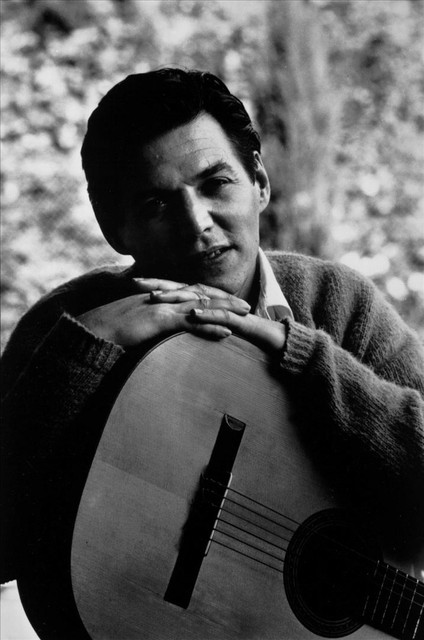
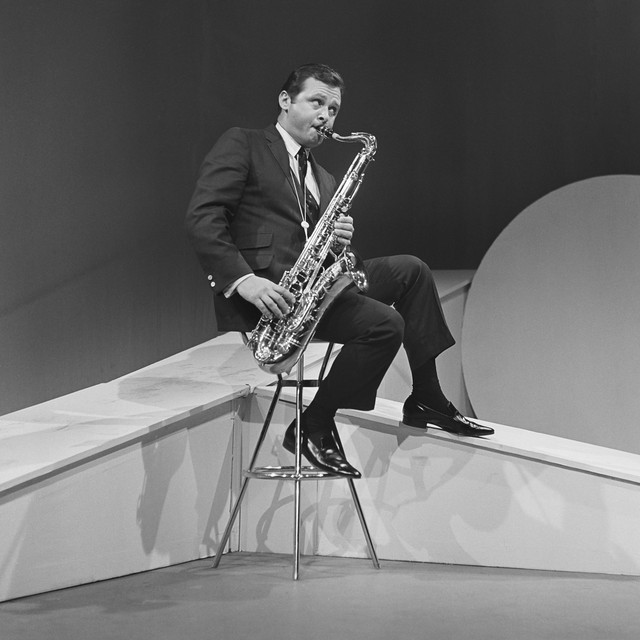
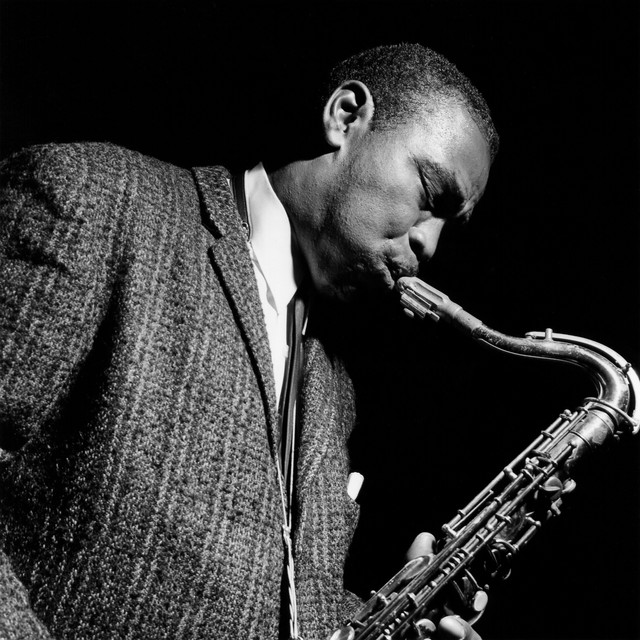
Born in Bahia, Gilberto moved to Rio de Janeiro at an early age. She'd had no professional musical experience of any kind until 1963, the year of her visit to New York with her husband, <a href="spotify:artist:77ZUbcdoU5KCPHNUl8bgQy">João Gilberto</a>, in a recording session headed by <a href="spotify:artist:0FMucZsEnCxs5pqBjHjIc8">Stan Getz</a>. <a href="spotify:artist:0FMucZsEnCxs5pqBjHjIc8">Getz</a> had already recorded several albums influenced by Brazilian rhythms, and <a href="spotify:search:label%3A%22Verve%22">Verve</a> had him play with the cream of Brazilian music, <a href="spotify:artist:3pO5VjZ4wOHCMBXOvbMISG">Antonio Carlos Jobim</a> and <a href="spotify:artist:77ZUbcdoU5KCPHNUl8bgQy">João Gilberto</a>, for his next album. Producer <a href="spotify:artist:26wgGfiLU6HFdl5ZPo10ev">Creed Taylor</a> wanted a few English vocals for maximum crossover potential, and as it turned out, Astrud was the only Brazilian present with any grasp of the language. After her husband laid down his Portuguese vocals for the first verse of his and <a href="spotify:artist:3pO5VjZ4wOHCMBXOvbMISG">Jobim</a>'s composition, "The Girl from Ipanema," Astrud provided a hesitant, heavily accented second verse in English.
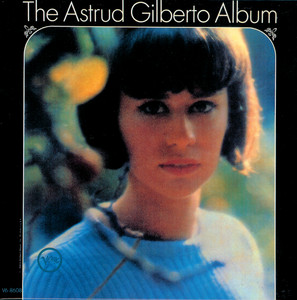
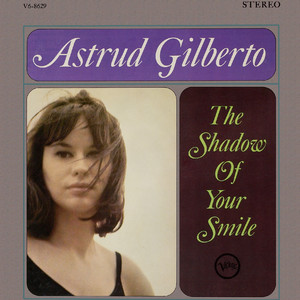
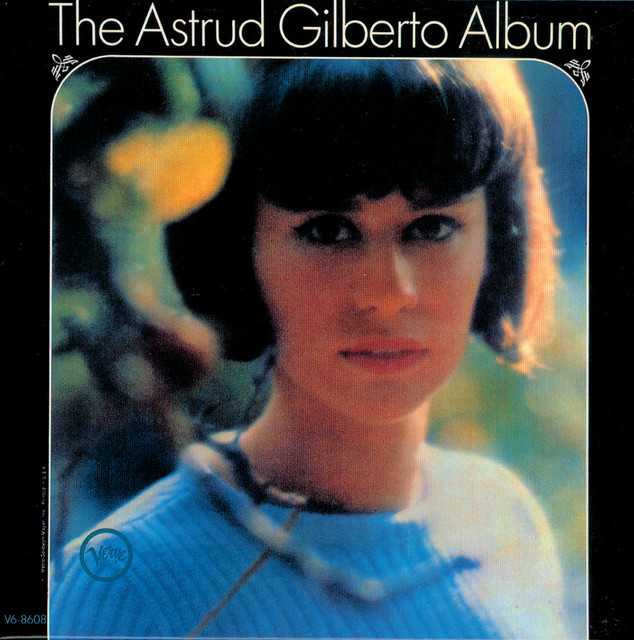
Uncredited on the resulting LP, Getz/Gilberto, Gilberto finally became famous over a year later, when "The Girl from Ipanema" became a number five Hot 100 hit in the middle of 1964. Its parent album became the best-selling LP up to that point and made Gilberto a star across America. Before the end of the year, <a href="spotify:search:label%3A%22Verve%22">Verve</a> capitalized on the smash with the release of Getz Au Go Go, featuring a <a href="spotify:artist:0FMucZsEnCxs5pqBjHjIc8">Getz</a> live date with Gilberto's vocals added later. Her first actual solo album, The Astrud Gilberto Album, was released in May 1965. Though it barely missed the Top 40, the LP's blend of Brazilian classics and ballad standards proved quite infectious with easy listening audiences. Released later that year, the follow-up, The Shadow of Your Smile, whose crew included <a href="spotify:artist:3lZyF2ZG6fZLQvxgJU0y5r">Claus Ogerman</a> and <a href="spotify:artist:17wDxPR2GcU3r1dpCoCiUi">João Donato</a>, peaked at number 66 on the Billboard 200.
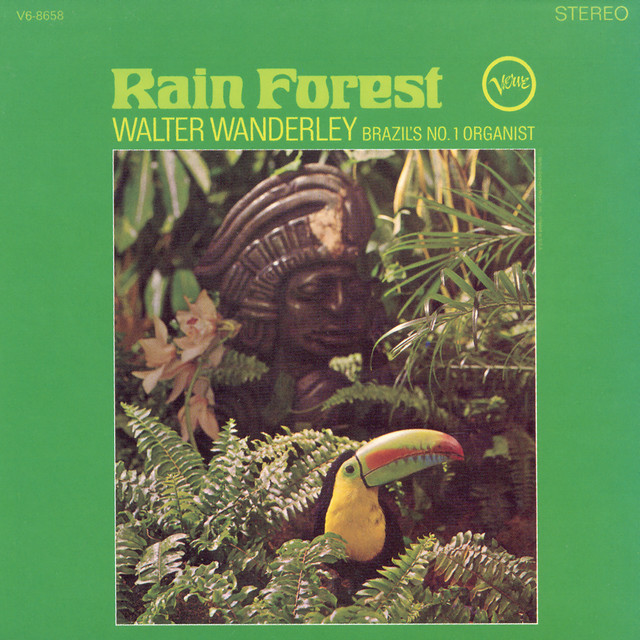
Though she never returned to the pop charts in America, <a href="spotify:search:label%3A%22Verve%22">Verve</a> proved to be quite astute in its guidance of Gilberto's early career, pairing her with ace arranger <a href="spotify:artist:7g9DeYASD3RzlT4kDchsQZ">Gil Evans</a> for 1966's Look to the Rainbow, with <a href="spotify:artist:0hE3uA2w3guHeKvuc7BpRr">Eumir Deodato</a> and <a href="spotify:artist:4yr0fHJhSr7ZWlsoZIbg44">Don Sebesky</a> for the next year's more pop-oriented Beach Samba, and with Brazilian organist/arranger <a href="spotify:artist:1FKfMww5N8dkbyo2sp9nBA">Walter Wanderley</a> for the dreamy A Certain Smile, A Certain Sadness, also from 1967. In 1968, Windy reunited her with <a href="spotify:artist:0hE3uA2w3guHeKvuc7BpRr">Deodato</a> and <a href="spotify:artist:4yr0fHJhSr7ZWlsoZIbg44">Sebesky</a> and featured a cover of <a href="spotify:artist:3WrFJ7ztbogyGnTHbHJFl2">the Beatles</a>' "In My Life." The more intimate I Haven't Got Anything Better to Do, which included interpretations of material by songwriters like <a href="spotify:artist:35y7CZMg7jbG8Q96JY7dyC">Burt Bacharach</a>, <a href="spotify:artist:3RTzAwFprBqiskp550eSJX">Harry Nilsson</a>, and <a href="spotify:artist:1EtE0iSY6iFlN9L9c53ETy">Michel Legrand</a>, appeared in 1969. While she remained a huge pop star in Brazil throughout the '70s, she gradually fell off the radar in the States after her final album on <a href="spotify:search:label%3A%22Verve%22">Verve</a>, 1970's September 17, 1969 (aka Holiday), which found her covering rock acts like <a href="spotify:artist:3WrFJ7ztbogyGnTHbHJFl2">the Beatles</a> ("Here, There and Everywhere"), <a href="spotify:artist:22WZ7M8sxp5THdruNY3gXt">the Doors</a> ("Light My Fire"), and Chicago Transit Authority (Beginnings"), among others.
n 1971, she released a lone album for <a href="spotify:search:label%3A%22CTI%22">CTI</a> (with <a href="spotify:artist:2dRsXWVnkku2cMDtV1h6NP">Stanley Turrentine</a>) but was mostly forgotten in the U.S. until 1984, when "The Girl from Ipanema" recharted in Britain riding on the coat tails of a neo-bossa craze. In the interim, she released only two more albums, Now (1972) and the disco-oriented That Girl from Ipanema (1977). With "Ipanema" introduced to a new generation, Gilberto gained worldwide distribution for 1987's Astrud Gilberto Plus the James Last Orchestra. Although a slew of compilations kept the singer in distribution throughout the '90s and 2000s, she didn't release another original studio album until 15 years later. Issued in 2002, the self-produced (with Mark Lambert) Jungle was notable for its variety of original material (alongside covers Ernesto Duarte's "Como Fué" and <a href="spotify:artist:35y7CZMg7jbG8Q96JY7dyC">Bacharach</a> and <a href="spotify:artist:4SneDShROaEhPgKm12KZ3W">David</a>'s "The Look of Love"). It would prove to be her final album. She was awarded the Latin Grammy Lifetime Achievement Award in 2008. Still recognized as the woman who made bossa nova a sensation in North America, Gilberto died at her home in Philadelphia, Pennsylvania on June 5, 2023; she was 83. ~ John Bush & Marcy Donelson, Rovi
Born in Bahia, Gilberto moved to Rio de Janeiro at an early age. She'd had no professional musical experience of any kind until 1963, the year of her visit to New York with her husband, <a href="spotify:artist:77ZUbcdoU5KCPHNUl8bgQy">João Gilberto</a>, in a recording session headed by <a href="spotify:artist:0FMucZsEnCxs5pqBjHjIc8">Stan Getz</a>. <a href="spotify:artist:0FMucZsEnCxs5pqBjHjIc8">Getz</a> had already recorded several albums influenced by Brazilian rhythms, and <a href="spotify:search:label%3A%22Verve%22">Verve</a> had him play with the cream of Brazilian music, <a href="spotify:artist:3pO5VjZ4wOHCMBXOvbMISG">Antonio Carlos Jobim</a> and <a href="spotify:artist:77ZUbcdoU5KCPHNUl8bgQy">João Gilberto</a>, for his next album. Producer <a href="spotify:artist:26wgGfiLU6HFdl5ZPo10ev">Creed Taylor</a> wanted a few English vocals for maximum crossover potential, and as it turned out, Astrud was the only Brazilian present with any grasp of the language. After her husband laid down his Portuguese vocals for the first verse of his and <a href="spotify:artist:3pO5VjZ4wOHCMBXOvbMISG">Jobim</a>'s composition, "The Girl from Ipanema," Astrud provided a hesitant, heavily accented second verse in English.
Uncredited on the resulting LP, Getz/Gilberto, Gilberto finally became famous over a year later, when "The Girl from Ipanema" became a number five Hot 100 hit in the middle of 1964. Its parent album became the best-selling LP up to that point and made Gilberto a star across America. Before the end of the year, <a href="spotify:search:label%3A%22Verve%22">Verve</a> capitalized on the smash with the release of Getz Au Go Go, featuring a <a href="spotify:artist:0FMucZsEnCxs5pqBjHjIc8">Getz</a> live date with Gilberto's vocals added later. Her first actual solo album, The Astrud Gilberto Album, was released in May 1965. Though it barely missed the Top 40, the LP's blend of Brazilian classics and ballad standards proved quite infectious with easy listening audiences. Released later that year, the follow-up, The Shadow of Your Smile, whose crew included <a href="spotify:artist:3lZyF2ZG6fZLQvxgJU0y5r">Claus Ogerman</a> and <a href="spotify:artist:17wDxPR2GcU3r1dpCoCiUi">João Donato</a>, peaked at number 66 on the Billboard 200.
Though she never returned to the pop charts in America, <a href="spotify:search:label%3A%22Verve%22">Verve</a> proved to be quite astute in its guidance of Gilberto's early career, pairing her with ace arranger <a href="spotify:artist:7g9DeYASD3RzlT4kDchsQZ">Gil Evans</a> for 1966's Look to the Rainbow, with <a href="spotify:artist:0hE3uA2w3guHeKvuc7BpRr">Eumir Deodato</a> and <a href="spotify:artist:4yr0fHJhSr7ZWlsoZIbg44">Don Sebesky</a> for the next year's more pop-oriented Beach Samba, and with Brazilian organist/arranger <a href="spotify:artist:1FKfMww5N8dkbyo2sp9nBA">Walter Wanderley</a> for the dreamy A Certain Smile, A Certain Sadness, also from 1967. In 1968, Windy reunited her with <a href="spotify:artist:0hE3uA2w3guHeKvuc7BpRr">Deodato</a> and <a href="spotify:artist:4yr0fHJhSr7ZWlsoZIbg44">Sebesky</a> and featured a cover of <a href="spotify:artist:3WrFJ7ztbogyGnTHbHJFl2">the Beatles</a>' "In My Life." The more intimate I Haven't Got Anything Better to Do, which included interpretations of material by songwriters like <a href="spotify:artist:35y7CZMg7jbG8Q96JY7dyC">Burt Bacharach</a>, <a href="spotify:artist:3RTzAwFprBqiskp550eSJX">Harry Nilsson</a>, and <a href="spotify:artist:1EtE0iSY6iFlN9L9c53ETy">Michel Legrand</a>, appeared in 1969. While she remained a huge pop star in Brazil throughout the '70s, she gradually fell off the radar in the States after her final album on <a href="spotify:search:label%3A%22Verve%22">Verve</a>, 1970's September 17, 1969 (aka Holiday), which found her covering rock acts like <a href="spotify:artist:3WrFJ7ztbogyGnTHbHJFl2">the Beatles</a> ("Here, There and Everywhere"), <a href="spotify:artist:22WZ7M8sxp5THdruNY3gXt">the Doors</a> ("Light My Fire"), and Chicago Transit Authority (Beginnings"), among others.
n 1971, she released a lone album for <a href="spotify:search:label%3A%22CTI%22">CTI</a> (with <a href="spotify:artist:2dRsXWVnkku2cMDtV1h6NP">Stanley Turrentine</a>) but was mostly forgotten in the U.S. until 1984, when "The Girl from Ipanema" recharted in Britain riding on the coat tails of a neo-bossa craze. In the interim, she released only two more albums, Now (1972) and the disco-oriented That Girl from Ipanema (1977). With "Ipanema" introduced to a new generation, Gilberto gained worldwide distribution for 1987's Astrud Gilberto Plus the James Last Orchestra. Although a slew of compilations kept the singer in distribution throughout the '90s and 2000s, she didn't release another original studio album until 15 years later. Issued in 2002, the self-produced (with Mark Lambert) Jungle was notable for its variety of original material (alongside covers Ernesto Duarte's "Como Fué" and <a href="spotify:artist:35y7CZMg7jbG8Q96JY7dyC">Bacharach</a> and <a href="spotify:artist:4SneDShROaEhPgKm12KZ3W">David</a>'s "The Look of Love"). It would prove to be her final album. She was awarded the Latin Grammy Lifetime Achievement Award in 2008. Still recognized as the woman who made bossa nova a sensation in North America, Gilberto died at her home in Philadelphia, Pennsylvania on June 5, 2023; she was 83. ~ John Bush & Marcy Donelson, Rovi
Monthly Listeners
1.7 million
Monthly Listeners History
Track the evolution of monthly listeners over the last 28 days.
Followers
341,669
Followers History
Track the evolution of followers over the last 28 days.
Total Streams
1.5 billion
Total Streams History
Track the evolution of total streams over the last 28 days. This data is calculated from all tracks listed in the artist's discography.
Top Cities

41,924 listeners

30,834 listeners
26,826 listeners
25,452 listeners
20,746 listeners