Genre
lounge
Top Lounge Artists
Showing 25 of 3,185 artists










About Lounge
Lounge music is best described as a mood-first genre: a diplomatic blend of jazz-inflected chords, soft electronic textures, and smooth, walking basslines that prop open conversations and late-night strolls rather than shout for attention. It is as much about atmosphere as melody, designed to accompany conversation, a cocktail, or a long ride through a neon-lit city.
Origins reach back to the glamorous fade of mid-century exotica and easy listening. In the 1950s and 60s, composers like Les Baxter, Martin Denny, Esquivel, and Arthur Lyman crafted tropical, cinematic soundscapes that could belong in a hotel lobby or a cocktail bar. Those sounds were reinterpreted in the 1980s and 1990s as “lounge” became a catch-all term for music that paused the world, threaded with elements of bossa nova, chill-out, and ambient. The international cafe culture of Ibiza and the rise of downtempo compilations helped crystallize lounge as a modern, portable mood rather than a fixed set of instruments.
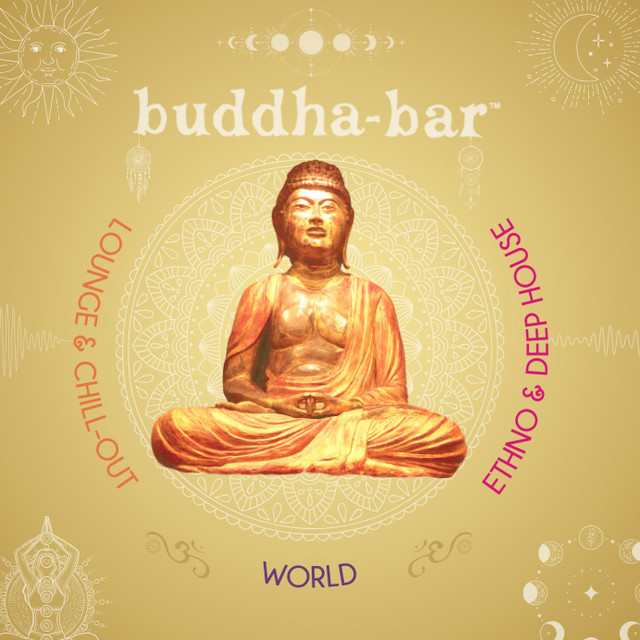
By the late 1990s, lounge had its own recognizable ecosystem: curated radio shows, ambient-drenched tracks, and a string of influential compilation series. Café del Mar, started by José Padilla in Ibiza, and Buddha Bar, curated by Claude Challe in Paris, popularized the cinematic, sunset-facing sound. In clubs and hotel lounges around the world, artists began to treat the genre as a sonic passport rather than a niche. The modern lounge scene found champions in a wave of European producers and, later, American enclaves of downtempo and trip-hop.
Key artists and ambassadors include Thievery Corporation, whose globalist retro-funk and globe-trotting samples created a defining template for many lounge listeners; Air, whose Moon Safari (1992) and related works offered velvet-smooth harmonies and cinematic textures; Morcheeba and Zero 7, who fused soul, electronics, and jazzy textures into accessible, song-oriented lounge; Kruder & Dorfmeister, the Austrian duo whose Downtempo Sessions set a template for mood-driven production; Bonobo, whose intricate rhythms and organic samples expanded the sonic palette; and Café del Mar’s own curatorial voice through various compilations that became a rite of passage for many listeners. French labels and European producers continue to define the sound, while lauded jazz-inflected acts and boutique electronic artists keep it alive in live venues and streaming playlists.
Geographically, lounge flourished most prominently in Western Europe—Spain, (Ibiza), France, the UK, and Germany—before finding audiences in the United States, Japan, and Latin America, where the ambience of tropical and cosmopolitan nightlife lends itself to this understated, sophisticated mood. It remains less about genre purity and more about a mood: after-hours calm, cinematic warmth, and a sense of being in on something refined. For enthusiasts, lounge is a living, evolving soundtrack to travel, conversation, and invisible cities.
Contemporary lounge continues to morph as ensembles, synth-focused projects, and fusions push the boundaries. Modern playlists blend acid jazz, tropical house, and cinematic score textures, while club and café scenes emphasize live instrumentation, vinyl crackle, and field recordings. For listeners, encountering lounge can feel like entering a truly private club where sounds shimmer, stories unfold, and the night ends.
Origins reach back to the glamorous fade of mid-century exotica and easy listening. In the 1950s and 60s, composers like Les Baxter, Martin Denny, Esquivel, and Arthur Lyman crafted tropical, cinematic soundscapes that could belong in a hotel lobby or a cocktail bar. Those sounds were reinterpreted in the 1980s and 1990s as “lounge” became a catch-all term for music that paused the world, threaded with elements of bossa nova, chill-out, and ambient. The international cafe culture of Ibiza and the rise of downtempo compilations helped crystallize lounge as a modern, portable mood rather than a fixed set of instruments.
By the late 1990s, lounge had its own recognizable ecosystem: curated radio shows, ambient-drenched tracks, and a string of influential compilation series. Café del Mar, started by José Padilla in Ibiza, and Buddha Bar, curated by Claude Challe in Paris, popularized the cinematic, sunset-facing sound. In clubs and hotel lounges around the world, artists began to treat the genre as a sonic passport rather than a niche. The modern lounge scene found champions in a wave of European producers and, later, American enclaves of downtempo and trip-hop.
Key artists and ambassadors include Thievery Corporation, whose globalist retro-funk and globe-trotting samples created a defining template for many lounge listeners; Air, whose Moon Safari (1992) and related works offered velvet-smooth harmonies and cinematic textures; Morcheeba and Zero 7, who fused soul, electronics, and jazzy textures into accessible, song-oriented lounge; Kruder & Dorfmeister, the Austrian duo whose Downtempo Sessions set a template for mood-driven production; Bonobo, whose intricate rhythms and organic samples expanded the sonic palette; and Café del Mar’s own curatorial voice through various compilations that became a rite of passage for many listeners. French labels and European producers continue to define the sound, while lauded jazz-inflected acts and boutique electronic artists keep it alive in live venues and streaming playlists.
Geographically, lounge flourished most prominently in Western Europe—Spain, (Ibiza), France, the UK, and Germany—before finding audiences in the United States, Japan, and Latin America, where the ambience of tropical and cosmopolitan nightlife lends itself to this understated, sophisticated mood. It remains less about genre purity and more about a mood: after-hours calm, cinematic warmth, and a sense of being in on something refined. For enthusiasts, lounge is a living, evolving soundtrack to travel, conversation, and invisible cities.
Contemporary lounge continues to morph as ensembles, synth-focused projects, and fusions push the boundaries. Modern playlists blend acid jazz, tropical house, and cinematic score textures, while club and café scenes emphasize live instrumentation, vinyl crackle, and field recordings. For listeners, encountering lounge can feel like entering a truly private club where sounds shimmer, stories unfold, and the night ends.