Genre
israeli indie
Top Israeli indie Artists
Showing 25 of 94 artists















24
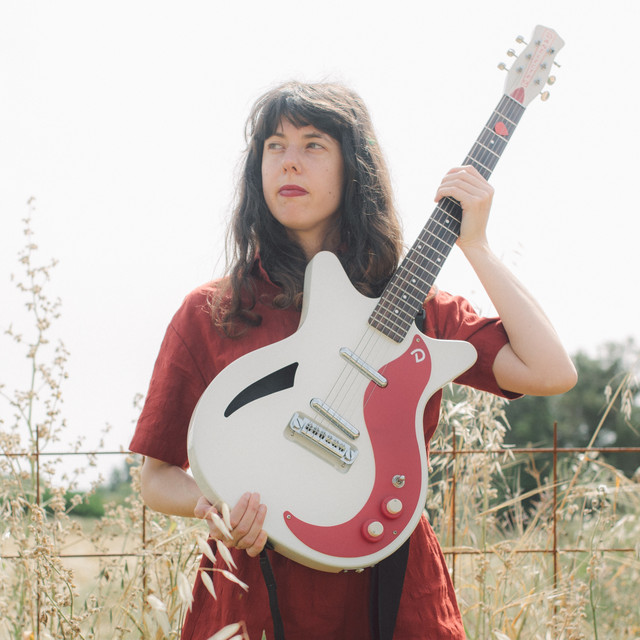
קיקי מלינקי
2,477
8,911 listeners

About Israeli indie
Israeli indie is the Israel-born branch of the global indie rock and indie pop movement, a scene built on DIY energy, intimate songwriting, and a willingness to fuse Western indie aesthetics with local language, sensibilities, and rhythms. It isn’t a single sound, but a spectrum: it can be acoustic and hushed, electrified and garage-like, or subtly electronic, all filtered through Hebrew or multilingual lyrics. The result is music that often feels personal and sun-warmed, even when it wrestles with darker or more experimental textures.
Origins trace back to the late 1990s and early 2000s, when Israeli artists started to move away from straightforward pop and traditional cantorial-tinged forms toward more independent production and distribution. Tel Aviv quickly became a creative hub, with Jerusalem and Haifa contributing as well. Independent venues, student circuits, and underground gigs fostered a DIY ethos that helped local acts release music outside the major label system. Over the years, the scene absorbed international indie influences—garage rock, folk, lo-fi indie, dream pop, and post-punk—while keeping a distinctly Mediterranean and Middle Eastern flavor in its melodic approach, rhythm choices, and lyrical concerns.
Aesthetically, Israeli indie often emphasizes direct songwriting, textured guitars, warm lo-fi production, and a vocal delivery that can be tender, urgent, or slyly ironic. Some artists split their time between Hebrew and English lyrics, widening the music’s accessibility while preserving a culturally specific voice. The scene also embraces cross-genre collaborations, from folk-inflected ballads to electronic-leaning pop, and it occasionally draws on Middle Eastern musical motifs, creating a subtle dialog between local identity and global indie language.
Among the ambassadors who helped bring Israeli indie to international ears is Asaf Avidan (and the Mojos). The project’s blend of raspy, expressive vocals and folk-rock sensibilities found broad appeal beyond Israel, especially with the breakthrough single that turned into a worldwide chart phenomenon in the early 2010s. Another widely recognized figure is Ninet Tayeb, whose later work across rock and alternative-pop arenas showcased a bold, fearless Israeli voice on international stages and in collaborations. These artists helped signal that Israeli indie could compete on the global stage without diluting its distinctiveness.
In terms of geography, Israeli indie is most strongly rooted in Israel—where it enjoys a steady local audience and festival slots, art-house venues, and campus scenes. It also has a growing international footprint, aided by streaming platforms, international touring, and diaspora audiences in Europe and North America who gravitate toward earnest storytelling and melodic risk-taking. Critics and fans abroad often discover it through standout tracks, viral live performances, or the crossover success of a handful of acts who reach outside Hebrew-language markets.
For listeners, Israeli indie offers a warm invitation: music that feels both intimate and expansive, anchored in place yet open to the world. It’s a scene that rewards attentive listening, with songs that reveal more on repeat plays—where the blend of Hebrew lyric clarity, melodic craft, and earnest experimentation becomes its own kind of signature. If you crave music with personality, texture, and a confident DIY spirit, Israeli indie is well worth exploring.
Origins trace back to the late 1990s and early 2000s, when Israeli artists started to move away from straightforward pop and traditional cantorial-tinged forms toward more independent production and distribution. Tel Aviv quickly became a creative hub, with Jerusalem and Haifa contributing as well. Independent venues, student circuits, and underground gigs fostered a DIY ethos that helped local acts release music outside the major label system. Over the years, the scene absorbed international indie influences—garage rock, folk, lo-fi indie, dream pop, and post-punk—while keeping a distinctly Mediterranean and Middle Eastern flavor in its melodic approach, rhythm choices, and lyrical concerns.
Aesthetically, Israeli indie often emphasizes direct songwriting, textured guitars, warm lo-fi production, and a vocal delivery that can be tender, urgent, or slyly ironic. Some artists split their time between Hebrew and English lyrics, widening the music’s accessibility while preserving a culturally specific voice. The scene also embraces cross-genre collaborations, from folk-inflected ballads to electronic-leaning pop, and it occasionally draws on Middle Eastern musical motifs, creating a subtle dialog between local identity and global indie language.
Among the ambassadors who helped bring Israeli indie to international ears is Asaf Avidan (and the Mojos). The project’s blend of raspy, expressive vocals and folk-rock sensibilities found broad appeal beyond Israel, especially with the breakthrough single that turned into a worldwide chart phenomenon in the early 2010s. Another widely recognized figure is Ninet Tayeb, whose later work across rock and alternative-pop arenas showcased a bold, fearless Israeli voice on international stages and in collaborations. These artists helped signal that Israeli indie could compete on the global stage without diluting its distinctiveness.
In terms of geography, Israeli indie is most strongly rooted in Israel—where it enjoys a steady local audience and festival slots, art-house venues, and campus scenes. It also has a growing international footprint, aided by streaming platforms, international touring, and diaspora audiences in Europe and North America who gravitate toward earnest storytelling and melodic risk-taking. Critics and fans abroad often discover it through standout tracks, viral live performances, or the crossover success of a handful of acts who reach outside Hebrew-language markets.
For listeners, Israeli indie offers a warm invitation: music that feels both intimate and expansive, anchored in place yet open to the world. It’s a scene that rewards attentive listening, with songs that reveal more on repeat plays—where the blend of Hebrew lyric clarity, melodic craft, and earnest experimentation becomes its own kind of signature. If you crave music with personality, texture, and a confident DIY spirit, Israeli indie is well worth exploring.