Genre
experimental hip hop
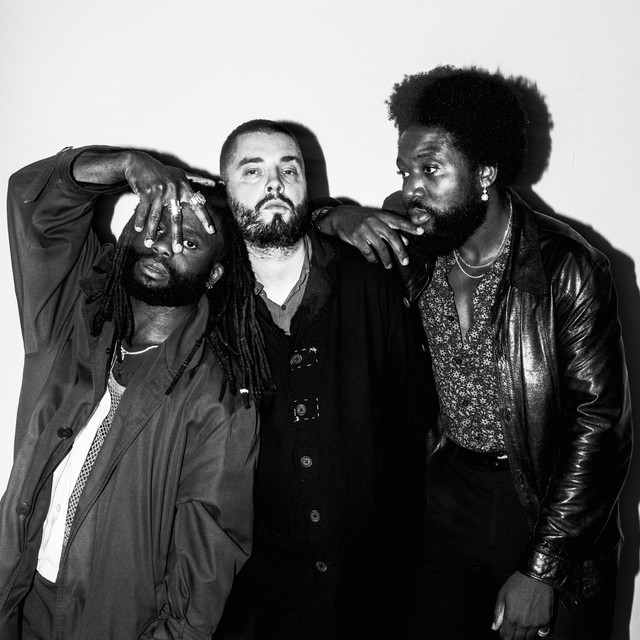
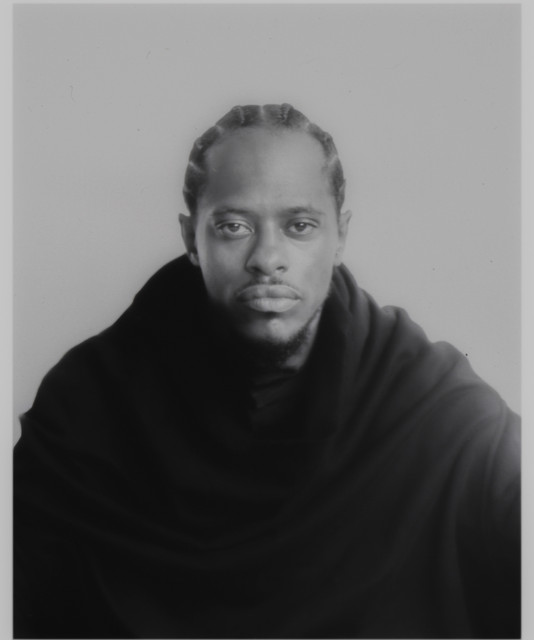
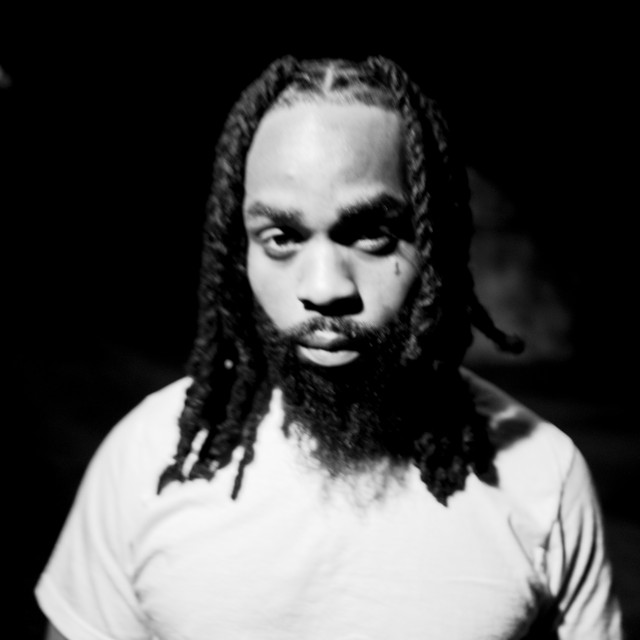
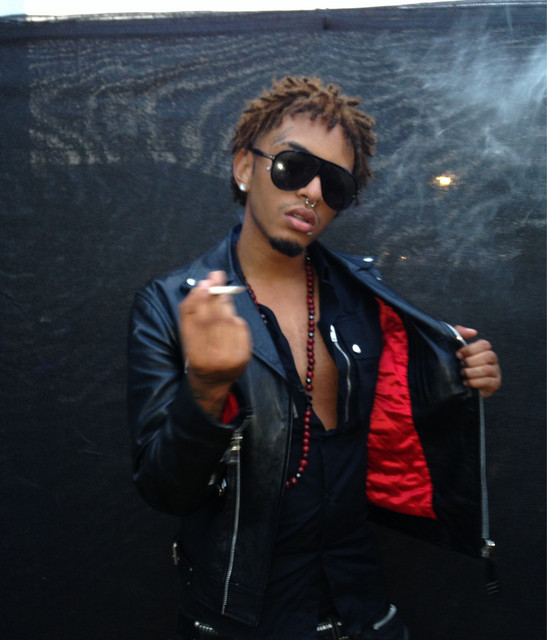
Top Experimental hip hop Artists
Showing 25 of 767 artists

About Experimental hip hop
Experimental hip hop is a branch of hip hop that treats the beat as a field for sonic exploration as much as a vehicle for rhyme. It thrives on deconstructed structures, unconventional textures, and a willingness to fuse jazz, noise, electronics, spoken word, and found sounds with rap. Rather than aiming for club immediacy, it often rewards attentive listening, rewarding patience with curious cadences, mismatched tempos, and collage-like production. The result is music that can feel like a laboratory experiment, a live collage, or a nocturnal soundscape, rather than a traditional verse-chorus formula.
The genre began taking shape in the late 1980s and early 1990s, as producers and MCs started pushing beyond the boom-bap framework that dominated mainstream hip hop. In the United States, a core impulse came from the underground and independent scenes that valued experimentation as much as skillful lyricism. One widely cited milestone is DJ Shadow’s Endtroducing.... (1996), an entirely sample-based instrument album that demonstrated how hip hop could stand as a form of ambient, cinematic music. Around the same period, the collective and label Def Jux—led by El-P with Company Flow—put out records that deliberately broke genre conventions and embraced raw, angular production. These early foundations helped establish a vocabulary for “experimental” within hip hop.
Several artists became emblematic ambassadors of the sound. El-P’s Company Flow and later projects embodied dense, dystopian atmospheres; MF DOOM (with Madlib on Madvillainy) combined intricate wordplay with densely layered, off-kilter beats. Aesop Rock’s luminous wordplay and atypical song structures on albums like Labor Days pushed storytelling and density into new territory. The Anticon collective—Why? (Yoni Wolf), Doseone, Jel, and collaborators—further blurred lines by pairing introspective lyrics with experimental, often lo-fi production. In different corners of the world, artists broadened the palette: Shabazz Palaces from Seattle delivered futuristic, spacey sounds on Black Up; The Avalanches, while Australian, popularized sample-centric, boundary-pushing approaches with Since I Left You. Death Grips—emerging from Sacramento in the 2010s—took abrasive, industrial energy and aggressive politics into a visceral, unpredictable realm of rap.
Globally, the genre thrives where independent labels and open-ears ecosystems exist. The United States remains a central hub, particularly in cities with strong underground scenes like New York, Oakland, Seattle, and Chicago. Canada (Montreal and Vancouver) and the United Kingdom (with its Ninja Tune and post-punk-beat lineage) have deep, ongoing experimental traditions. France, Japan, and Australia also host vibrant, dedicated communities that push the form into new textures—jazz-inflected, electroacoustic, or purely noise-driven approaches. In the 2010s and beyond, newer voices—JPEGMAFIA, clipping., Shabazz Palaces, and a broader wave of beatmakers—continued to redefine what “experimental” can mean in contemporary rap, often blending political critique with startling sonics.
For music enthusiasts, experimental hip hop offers a listening practice as much as a genre: it invites you to read the beats like scores, to hear the history of sampling as a conversation among eras, and to savor ideas that resist easy categorization. It’s a space where risk is the point, and discovery is the reward.
The genre began taking shape in the late 1980s and early 1990s, as producers and MCs started pushing beyond the boom-bap framework that dominated mainstream hip hop. In the United States, a core impulse came from the underground and independent scenes that valued experimentation as much as skillful lyricism. One widely cited milestone is DJ Shadow’s Endtroducing.... (1996), an entirely sample-based instrument album that demonstrated how hip hop could stand as a form of ambient, cinematic music. Around the same period, the collective and label Def Jux—led by El-P with Company Flow—put out records that deliberately broke genre conventions and embraced raw, angular production. These early foundations helped establish a vocabulary for “experimental” within hip hop.
Several artists became emblematic ambassadors of the sound. El-P’s Company Flow and later projects embodied dense, dystopian atmospheres; MF DOOM (with Madlib on Madvillainy) combined intricate wordplay with densely layered, off-kilter beats. Aesop Rock’s luminous wordplay and atypical song structures on albums like Labor Days pushed storytelling and density into new territory. The Anticon collective—Why? (Yoni Wolf), Doseone, Jel, and collaborators—further blurred lines by pairing introspective lyrics with experimental, often lo-fi production. In different corners of the world, artists broadened the palette: Shabazz Palaces from Seattle delivered futuristic, spacey sounds on Black Up; The Avalanches, while Australian, popularized sample-centric, boundary-pushing approaches with Since I Left You. Death Grips—emerging from Sacramento in the 2010s—took abrasive, industrial energy and aggressive politics into a visceral, unpredictable realm of rap.
Globally, the genre thrives where independent labels and open-ears ecosystems exist. The United States remains a central hub, particularly in cities with strong underground scenes like New York, Oakland, Seattle, and Chicago. Canada (Montreal and Vancouver) and the United Kingdom (with its Ninja Tune and post-punk-beat lineage) have deep, ongoing experimental traditions. France, Japan, and Australia also host vibrant, dedicated communities that push the form into new textures—jazz-inflected, electroacoustic, or purely noise-driven approaches. In the 2010s and beyond, newer voices—JPEGMAFIA, clipping., Shabazz Palaces, and a broader wave of beatmakers—continued to redefine what “experimental” can mean in contemporary rap, often blending political critique with startling sonics.
For music enthusiasts, experimental hip hop offers a listening practice as much as a genre: it invites you to read the beats like scores, to hear the history of sampling as a conversation among eras, and to savor ideas that resist easy categorization. It’s a space where risk is the point, and discovery is the reward.