Genre
merseybeat
Top Merseybeat Artists
Showing 25 of 55 artists


About Merseybeat
Merseybeat is the Liverpool-born sound that defined a pivotal moment in British pop, stitching together skiffle'ssimplicity, early rock and roll grit, and polished vocal harmonies into a buoyant, instantly catchy package. Born in the clubs and rehearsal rooms along the Mersey in the late 1950s and early 1960s, the movement crystallized around a small network of bands that played the same nightspots, shared gigs, and homed in on a shared city pride. By 1963–1964, Merseybeat was a recognizable label for a fresh, radio-friendly strand of rock that could cross over from the working‑class coffee bars of Liverpool to the jaws of the emerging British Invasion.
The sound is characterized by jangly, melodic guitars, brisk tempos, and tight three- and four-part vocal harmonies that evoke Doo-wop and classic pop while pushing the energy of rock ’n’ roll forward. It sits on a bedrock of infectious hooks, clean production, and a buoyant, optimistic mood—songs about teenage love, longing, and everyday life told with clarity and snap. The Cavern Club, a crucible of the scene, offered a proving ground where groups could sharpen harmonies, experiment with arrangements, and cultivate a shared sense of identity. Studio work around Liverpool’s burgeoning scene—paired with radio exposure and the appetite of a national audience for something fresh and friendly—helped Merseybeat travel beyond its birthplace.
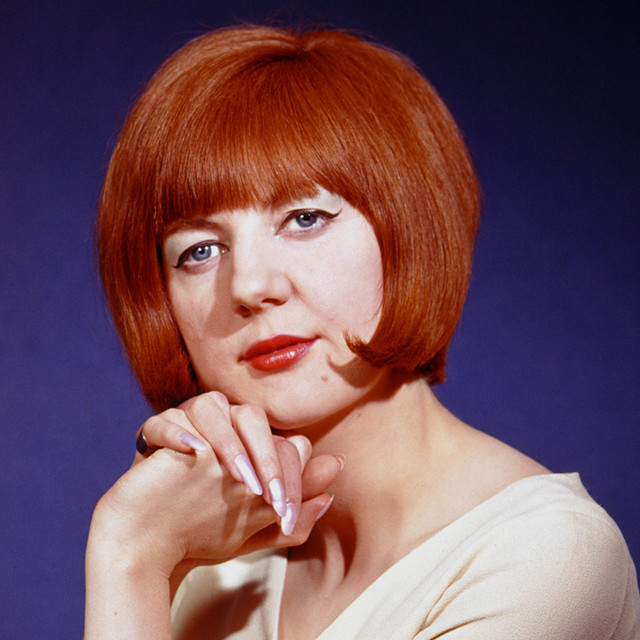
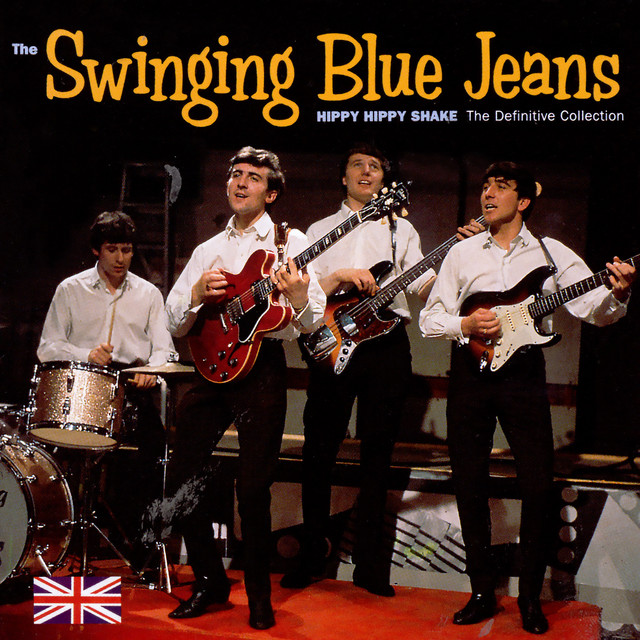
Among the most influential ambassadors of the genre were The Beatles, who began as a Merseybeat breakout and then expanded into a global phenomenon that carried the sound, and its sensibilities, across continents. Other emblematic acts from the Liverpool/Wirral axis followed in the same wake: Gerry and the Pacemakers brought punchy, anthemic energy; The Swinging Blue Jeans offered buoyant, hook‑driven melodies; The Searchers fused harmony-driven pop with sturdy guitar lines; Billy J. Kramer and the Dakotas delivered accessible, radio‑friendly storytelling; and Cilla Black, initially part of the same scene, bridged Merseybeat with a broader pop prestige. The era also produced a broader crew of regional acts who sustained the movement’s momentum and helped fuse it with the broader Britpop of the era.
Where was Merseybeat most popular? In its cradle, the United Kingdom and especially the north-west of England and Ireland, where the city’s working‑class culture and clubs created a ready audience. The English press and radio quickly labeled the Liverpool sound as Merseybeat, tying it to a distinct geographic and cultural identity. Internationally, the movement reached a larger audience mainly through The Beatles and the British Invasion, sparking interest in the United States, mainland Europe, and beyond as fans chased the melodic, accessible energy of the Mersey sound. Today, the genre is celebrated by enthusiasts for its craftsmanship, its sense of place, and its lasting influence on pop’s melodic storytelling.
In short, Merseybeat is a story of place and moment—Liverpool’s answer to the postwar appetite for upbeat, well-crafted pop—an era that produced some of the era’s most enduring melodies and laid the groundwork for the global reach of British pop in the years to follow.
The sound is characterized by jangly, melodic guitars, brisk tempos, and tight three- and four-part vocal harmonies that evoke Doo-wop and classic pop while pushing the energy of rock ’n’ roll forward. It sits on a bedrock of infectious hooks, clean production, and a buoyant, optimistic mood—songs about teenage love, longing, and everyday life told with clarity and snap. The Cavern Club, a crucible of the scene, offered a proving ground where groups could sharpen harmonies, experiment with arrangements, and cultivate a shared sense of identity. Studio work around Liverpool’s burgeoning scene—paired with radio exposure and the appetite of a national audience for something fresh and friendly—helped Merseybeat travel beyond its birthplace.
Among the most influential ambassadors of the genre were The Beatles, who began as a Merseybeat breakout and then expanded into a global phenomenon that carried the sound, and its sensibilities, across continents. Other emblematic acts from the Liverpool/Wirral axis followed in the same wake: Gerry and the Pacemakers brought punchy, anthemic energy; The Swinging Blue Jeans offered buoyant, hook‑driven melodies; The Searchers fused harmony-driven pop with sturdy guitar lines; Billy J. Kramer and the Dakotas delivered accessible, radio‑friendly storytelling; and Cilla Black, initially part of the same scene, bridged Merseybeat with a broader pop prestige. The era also produced a broader crew of regional acts who sustained the movement’s momentum and helped fuse it with the broader Britpop of the era.
Where was Merseybeat most popular? In its cradle, the United Kingdom and especially the north-west of England and Ireland, where the city’s working‑class culture and clubs created a ready audience. The English press and radio quickly labeled the Liverpool sound as Merseybeat, tying it to a distinct geographic and cultural identity. Internationally, the movement reached a larger audience mainly through The Beatles and the British Invasion, sparking interest in the United States, mainland Europe, and beyond as fans chased the melodic, accessible energy of the Mersey sound. Today, the genre is celebrated by enthusiasts for its craftsmanship, its sense of place, and its lasting influence on pop’s melodic storytelling.
In short, Merseybeat is a story of place and moment—Liverpool’s answer to the postwar appetite for upbeat, well-crafted pop—an era that produced some of the era’s most enduring melodies and laid the groundwork for the global reach of British pop in the years to follow.