Genre
new age
Top New age Artists
Showing 25 of 2,770 artists




About New age
New age is a broad, often instrumental umbrella for music conceived to support contemplation, healing, meditation, and spiritual exploration. It isn’t a single sound so much as a family of textures—airy synths, gentle piano, acoustic guitar, ethereal voices, wind and nature samples—meant to create immersive atmospheres rather than punchy rhythm. While it became widely branded in the 1980s, its roots run deeper in the ambient experiments of the 1960s and 1970s and in world-music-inspired explorations that followed.
Historically, the genre crystalized as labels and labels-only playlists began marketing music aimed at relaxation, yoga, and mindful practice. Windham Hill and Narada, two key labels, packaged piano-led and acoustic guitar-centered albums alongside spacey electronics and soft choral textures. These releases helped popularize a sound that could be both intimate and expansive—perfect for late-night listening, spa sessions, or long drives through cinematic landscapes. Although often linked to “ambient,” new age carries a more definite ethos of serenity, spiritual openness, and personal growth, sometimes borrowing motifs from various world traditions and new-thought philosophies.
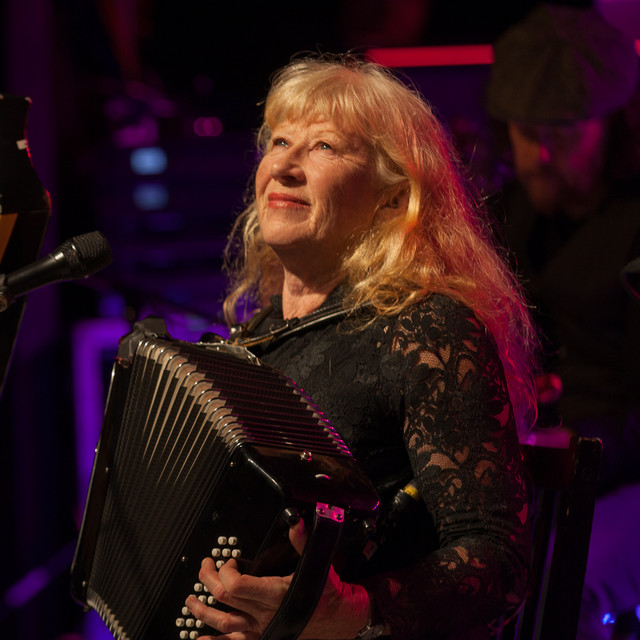
Among the ambassadors most frequently cited by fans and critics are Enya, Yanni, Kitaro, and Vangelis. Enya’s luminous, layered vocals and lush keyboards brought a quasi-pop accessibility to the genre with albums like Watermark (1989) and its follow-ups, while Yanni’s grand, melodic live performances helped it reach arena-scale audiences. Kitaro—an influential figure in the late 20th century—fused synthetic textures with traditional Asian melodies to create soundscapes that feel both ancient and futuristic. Vangelis, known for cinematic synths, contributed to the broader appeal of atmospheric music through scores and albums that emphasize mood over drama. Other prominent figures include Loreena McKennitt, Deuter, and the many artists who appeared on Narada’s catalog, as well as Windham Hill’s guitar-based pioneers like Will Ackerman.
Musically, new age often favors slow to moderate tempos, modal or blended scales, drones or sustained tones, and a generous use of reverb. Instrumentation ranges from piano, acoustic guitar, and flute to synthesizers, orchestral textures, and field recordings of nature. Vocals, when present, tend to be wordless or softly sung, serving more as an additional instrument than a focal lyrical element. The genre overlaps with space music, neoclassical, world fusion, and ambient, creating a spectrum where introspective, meditative works sit alongside more expansive, cinematic pieces.
Geographically, new age found particular strength in North America and parts of Europe, with strong audiences in Japan and other parts of Asia. It has also lived on in yoga studios, wellness centers, film scores, and streaming playlists aimed at relaxation or mindful focus. Critics are divided—some view it as soothing atmosphere and personal-growth music, others dismiss it as corporate spa sound. For the enthusiast, however, it remains a generous, endlessly evolving catalog of soundscapes that invites deep listening and quiet reflection.
Historically, the genre crystalized as labels and labels-only playlists began marketing music aimed at relaxation, yoga, and mindful practice. Windham Hill and Narada, two key labels, packaged piano-led and acoustic guitar-centered albums alongside spacey electronics and soft choral textures. These releases helped popularize a sound that could be both intimate and expansive—perfect for late-night listening, spa sessions, or long drives through cinematic landscapes. Although often linked to “ambient,” new age carries a more definite ethos of serenity, spiritual openness, and personal growth, sometimes borrowing motifs from various world traditions and new-thought philosophies.
Among the ambassadors most frequently cited by fans and critics are Enya, Yanni, Kitaro, and Vangelis. Enya’s luminous, layered vocals and lush keyboards brought a quasi-pop accessibility to the genre with albums like Watermark (1989) and its follow-ups, while Yanni’s grand, melodic live performances helped it reach arena-scale audiences. Kitaro—an influential figure in the late 20th century—fused synthetic textures with traditional Asian melodies to create soundscapes that feel both ancient and futuristic. Vangelis, known for cinematic synths, contributed to the broader appeal of atmospheric music through scores and albums that emphasize mood over drama. Other prominent figures include Loreena McKennitt, Deuter, and the many artists who appeared on Narada’s catalog, as well as Windham Hill’s guitar-based pioneers like Will Ackerman.
Musically, new age often favors slow to moderate tempos, modal or blended scales, drones or sustained tones, and a generous use of reverb. Instrumentation ranges from piano, acoustic guitar, and flute to synthesizers, orchestral textures, and field recordings of nature. Vocals, when present, tend to be wordless or softly sung, serving more as an additional instrument than a focal lyrical element. The genre overlaps with space music, neoclassical, world fusion, and ambient, creating a spectrum where introspective, meditative works sit alongside more expansive, cinematic pieces.
Geographically, new age found particular strength in North America and parts of Europe, with strong audiences in Japan and other parts of Asia. It has also lived on in yoga studios, wellness centers, film scores, and streaming playlists aimed at relaxation or mindful focus. Critics are divided—some view it as soothing atmosphere and personal-growth music, others dismiss it as corporate spa sound. For the enthusiast, however, it remains a generous, endlessly evolving catalog of soundscapes that invites deep listening and quiet reflection.