Genre
new french touch
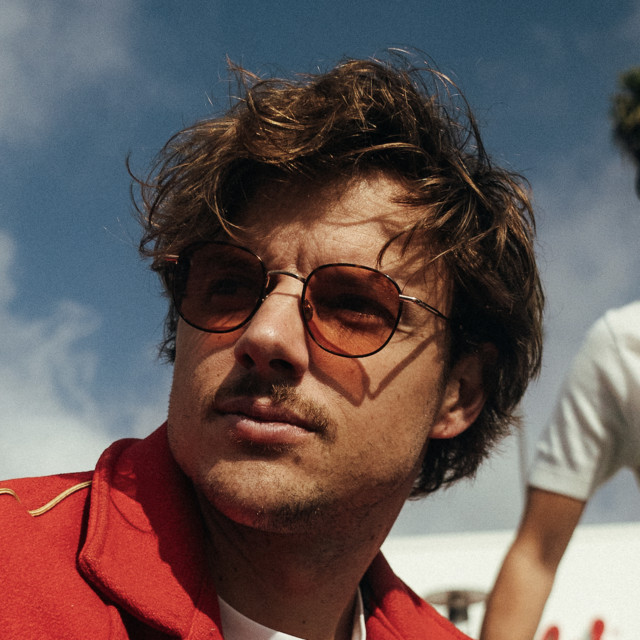
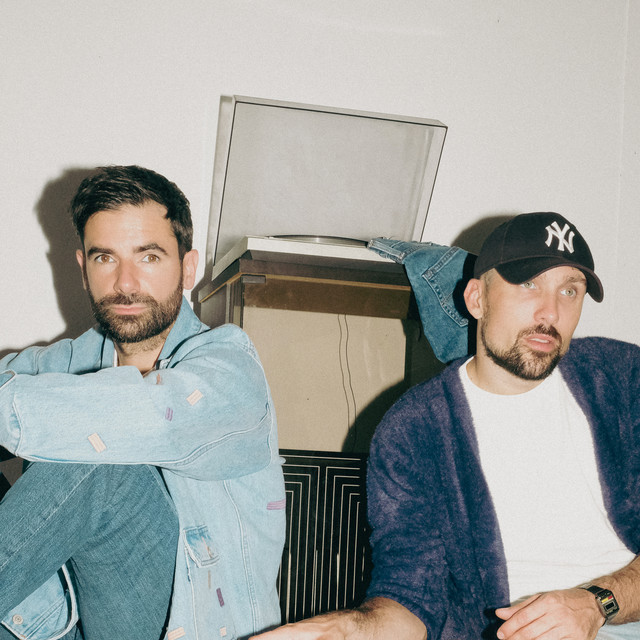
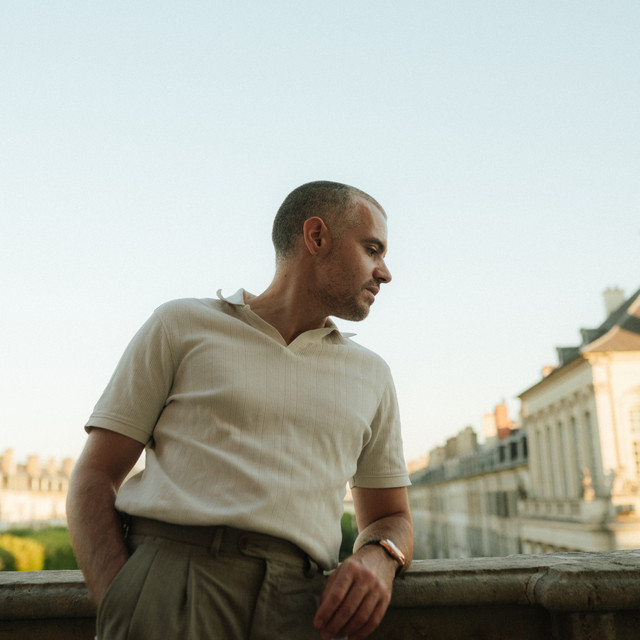
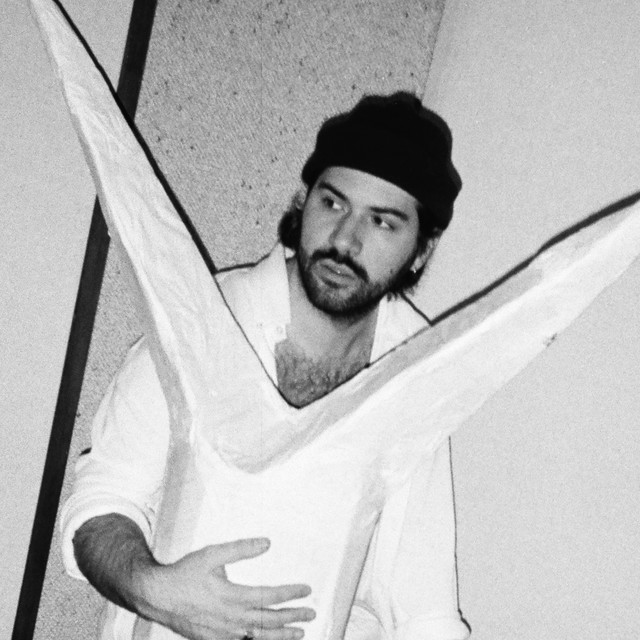
Top New french touch Artists
Showing 25 of 53 artists









About New french touch
New French Touch, or the modern French house movement, is a vibrant strand of electronic music born from Paris in the mid- to late-1990s and nourished by disco, funk, and the warmth of analogue synths. It’s a bridge between classic disco grooves and contemporary dancefloor intelligence, defined by tactile production, playful sampling, and a signature “filtered” sound that turns simple hooks into something euphoric and hypnotic. The label of “new” French Touch often refers to the revival and reinvention that bubbled up in the early 2000s, when a fresh generation updated the sound for a new club culture and a broader international audience.
Origins and the first wave of ambassadors
The original French Touch crystalized in Paris as producers began to reinterpret Chicago house and disco with chic French finesse. It drew heavily on groove from the 70s and 80s—funky guitar riffs, soulful vocals, and big basslines—and fused them with the then-cutting-edge digital production tools. Names like Daft Punk, Cassius, Air, and Étienne de Crécy led the charge in the late 1990s. Daft Punk’s Homework (1997) helped canonize a new template, with tracks that wrapped funky bass, robotic vocal snippets, and sweeping filter sweeps into an irresistible dancefloor package. Cassius’s 1999 material, Air’s Moon Safari (1998), and Stardust’s “Music Sounds Better with You” (1998) became emblematic moments, spreading the vibe beyond Paris to clubs and radio worldwide. Étienne de Crécy and Dimitri from Paris were instrumental in shaping the production philosophy—careful sample selection, crisp drum machines, and a love for analog warmth.
What characterizes the sound
New French Touch is built on several core traits:
- Filtered disco and funk samples re-purposed into infectious, looping grooves.
- Prominent use of analog or analog-emulated synths, with lush pads and punchy basslines.
- A playful, European sense of melody that often collides with motorik or house-driven energy.
- Glittering, glossy production where the “feel” of the sample matters as much as the original groove.
This combination yields tracks that feel both nostalgic and future-facing, perfect for late-night dancefloors and festival main stages alike.
The new wave and its ambassadors
Around the mid-2000s a “new” French Touch emerged, tightly associated with Ed Banger Records and a cohort of provocative producers. Justice became a flagship act, alongside SebastiAn, Mr. Oizo (Quentin Dupieux), and Busy P (Pedro Winter), who helped redefine the sound for a new generation. The production ethos leaned into sharper electro evocations, heavier bass, and a more direct, club-ready attitude, while still wearing the nostalgic cloak of the original movement. Tracks like Justice’s D.A.N.C.E. and other Ed Banger releases helped cement a distinctly French approach to electro-house that resonated globally.
Geography of popularity
New French Touch found particularly fertile ground in Europe—France, the UK, Germany, and Spain embraced it early on, with Paris acting as a perpetual epicenter. It also gained traction in North America, where DJs and critics highlighted its charm on clubs and festivals. Japan and other parts of Asia developed a dedicated audience as electronic music festivals expanded, but the strongest and most lasting appeal remains in Western Europe and North America.
Legacy
Today, new French Touch stands as a pivotal chapter in the story of French electronic music. It’s a style that invites both reverence for its disco roots and excitement for its contemporary reinventions. Its influence can be heard in countless producers who flirt with filtered disco, analog warmth, and dancefloor immediacy, proving that the French touch—old or new—still has a universal passport to the heart of the club.
Origins and the first wave of ambassadors
The original French Touch crystalized in Paris as producers began to reinterpret Chicago house and disco with chic French finesse. It drew heavily on groove from the 70s and 80s—funky guitar riffs, soulful vocals, and big basslines—and fused them with the then-cutting-edge digital production tools. Names like Daft Punk, Cassius, Air, and Étienne de Crécy led the charge in the late 1990s. Daft Punk’s Homework (1997) helped canonize a new template, with tracks that wrapped funky bass, robotic vocal snippets, and sweeping filter sweeps into an irresistible dancefloor package. Cassius’s 1999 material, Air’s Moon Safari (1998), and Stardust’s “Music Sounds Better with You” (1998) became emblematic moments, spreading the vibe beyond Paris to clubs and radio worldwide. Étienne de Crécy and Dimitri from Paris were instrumental in shaping the production philosophy—careful sample selection, crisp drum machines, and a love for analog warmth.
What characterizes the sound
New French Touch is built on several core traits:
- Filtered disco and funk samples re-purposed into infectious, looping grooves.
- Prominent use of analog or analog-emulated synths, with lush pads and punchy basslines.
- A playful, European sense of melody that often collides with motorik or house-driven energy.
- Glittering, glossy production where the “feel” of the sample matters as much as the original groove.
This combination yields tracks that feel both nostalgic and future-facing, perfect for late-night dancefloors and festival main stages alike.
The new wave and its ambassadors
Around the mid-2000s a “new” French Touch emerged, tightly associated with Ed Banger Records and a cohort of provocative producers. Justice became a flagship act, alongside SebastiAn, Mr. Oizo (Quentin Dupieux), and Busy P (Pedro Winter), who helped redefine the sound for a new generation. The production ethos leaned into sharper electro evocations, heavier bass, and a more direct, club-ready attitude, while still wearing the nostalgic cloak of the original movement. Tracks like Justice’s D.A.N.C.E. and other Ed Banger releases helped cement a distinctly French approach to electro-house that resonated globally.
Geography of popularity
New French Touch found particularly fertile ground in Europe—France, the UK, Germany, and Spain embraced it early on, with Paris acting as a perpetual epicenter. It also gained traction in North America, where DJs and critics highlighted its charm on clubs and festivals. Japan and other parts of Asia developed a dedicated audience as electronic music festivals expanded, but the strongest and most lasting appeal remains in Western Europe and North America.
Legacy
Today, new French Touch stands as a pivotal chapter in the story of French electronic music. It’s a style that invites both reverence for its disco roots and excitement for its contemporary reinventions. Its influence can be heard in countless producers who flirt with filtered disco, analog warmth, and dancefloor immediacy, proving that the French touch—old or new—still has a universal passport to the heart of the club.