Genre
mongolian hip hop
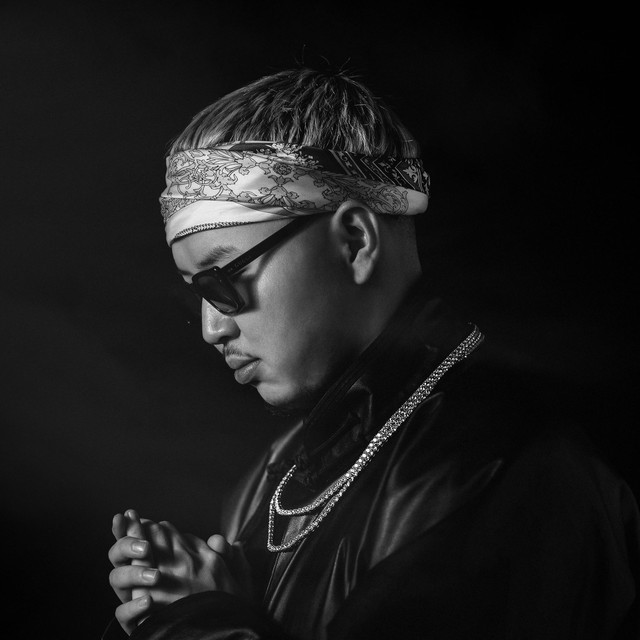
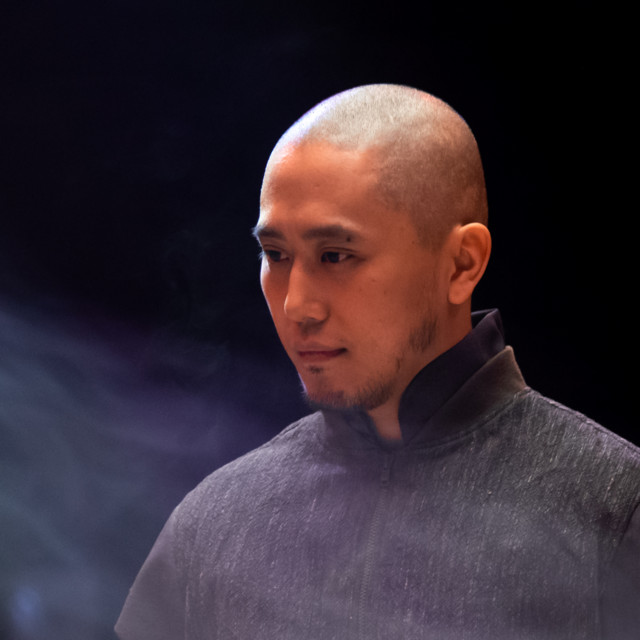
Top Mongolian hip hop Artists
Showing 25 of 52 artists
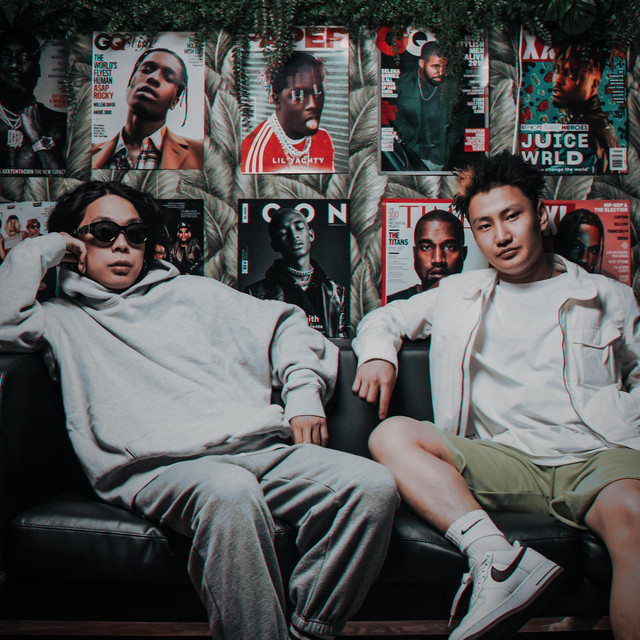
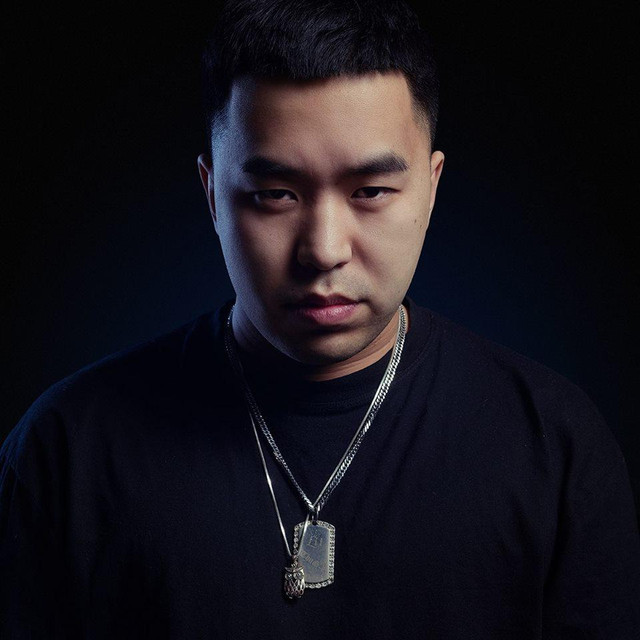
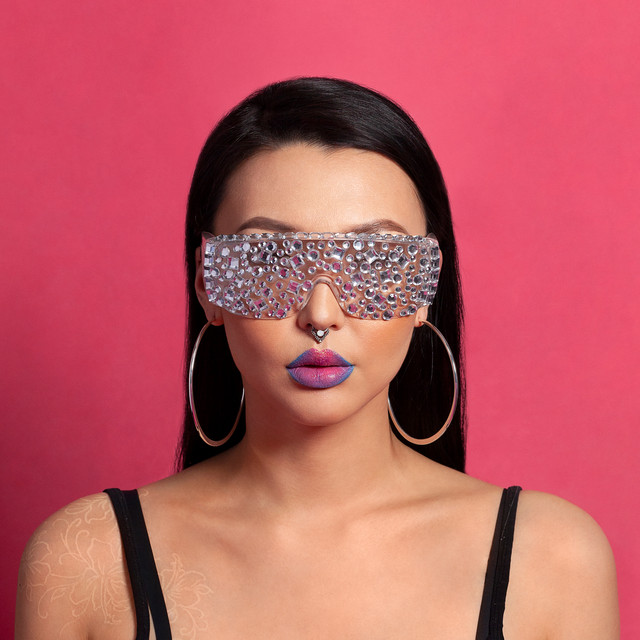
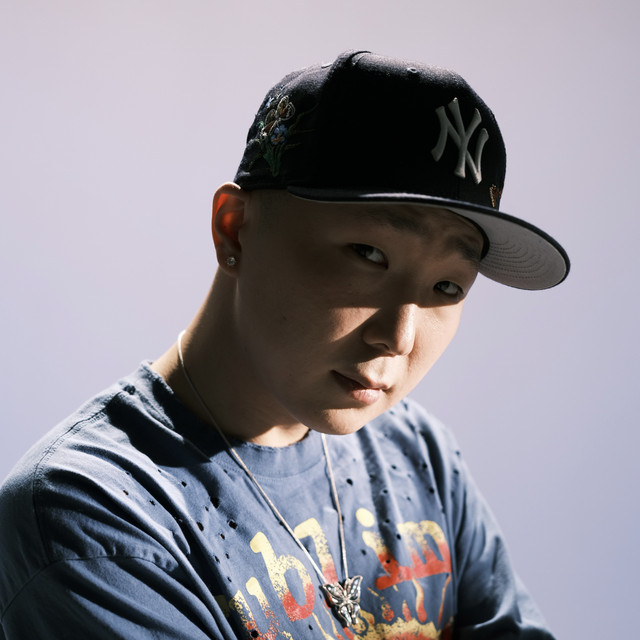




About Mongolian hip hop
Mongolian hip hop is a contemporary street-born art form that sits at an intriguing crossroads of language, urban energy, and a landscape defined by vast skies and nomadic memory. In Mongolia, MCs craft verses in Mongolian (and often blend in Russian or English), wrapping sharp wordplay around drum-programmed beats, basslines, and samples that travel easily from club speakers to online playlists. The result is a distinctly local flavor within a global genre: hard-hitting rhythm without sacrificing a sense of place and voice.
The genre began taking shape in the late 1990s and early 2000s, as Western hip hop reached Mongolia through satellite TV, imported CDs, and the early internet. Young artists in Ulaanbaatar and other urban centers began to experiment with rapping in their mother tongue, setting their stories against the sounds of both boom-bap and later trap-influenced production. Local crews and underground scenes formed around schools, clubs, and community events, gradually professionalizing as studios opened and producers sharpened their craft. By the 2010s, Mongolian hip hop had moved from a niche hobby into a recognizable movement, with more polished releases, music videos, and festival appearances.
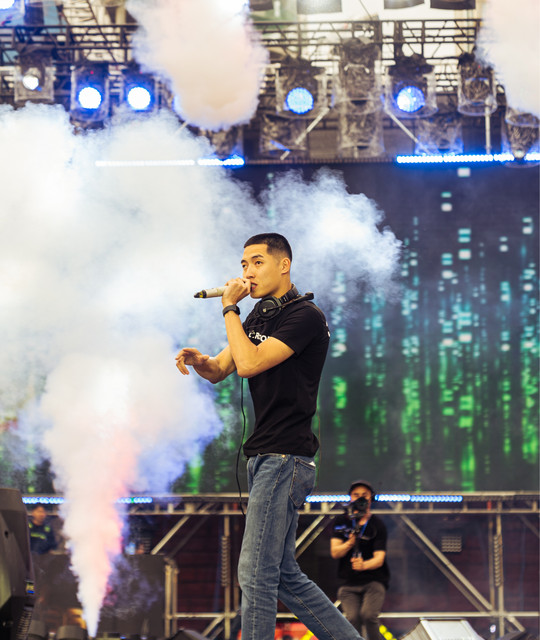
In terms of sound, Mongolian hip hop tends to favor clean, punchy flows that ride tight 4/4 or more experimental, percussion-forward beats. Producers often fuse traditional textures—whether through nostalgic samples, field-recorded ambience, or instrument choices that evoke Mongolia’s landscape—with contemporary electronic sensibilities. You’ll hear lyrical storytelling that veers from gritty realism to reflective, philosophical observations, frequently addressing urban life in Ulaanbaatar, social issues, identity, and the tension between modernity and tradition. The result is a music that can feel intimate in its language and grand in its scope, capable of intimate bars and expansive stage shows alike.
Ambassadors and pioneers are the backbone of any regional movement, and Mongolian hip hop is no exception. The scene has been shaped by artists who champion language and perspective—pushing the genre beyond mere imitation and toward a distinctly Mongolian voice that can travel online and on tour. These figures help recruit new listeners, mentor younger rappers, and bridge local scenes with international audiences. The effect is a living ecosystem: from underground clubs to small-label releases, to streaming platforms where fans around the world can discover tracks sung in Mongolian and hosted by Mongolian producers.
Geographically, the strongest concentration of fans remains Mongolia, particularly in and around the capital. Beyond Mongolia’s borders, communities in Inner Mongolia (China) and Russia, as well as the broader Mongolian diaspora, have shown an appetite for the sound. Online communities have helped the genre spread to listeners in Europe and North America, where bilingual tracks and cross-cultural collaborations become more common.
For enthusiasts, Mongolian hip hop offers a compelling blend of linguistic texture, democratic lyricism, and production that honors both immediacy and craft. If you’re exploring new gateways into hip hop, this scene rewards attentive listening: attentive to language, pace, and the ways a Mongolian bar can illuminate a world of shared human experience. If you’d like, I can add a curated starter playlist or a concise guide to notable acts and contemporary releases.
The genre began taking shape in the late 1990s and early 2000s, as Western hip hop reached Mongolia through satellite TV, imported CDs, and the early internet. Young artists in Ulaanbaatar and other urban centers began to experiment with rapping in their mother tongue, setting their stories against the sounds of both boom-bap and later trap-influenced production. Local crews and underground scenes formed around schools, clubs, and community events, gradually professionalizing as studios opened and producers sharpened their craft. By the 2010s, Mongolian hip hop had moved from a niche hobby into a recognizable movement, with more polished releases, music videos, and festival appearances.
In terms of sound, Mongolian hip hop tends to favor clean, punchy flows that ride tight 4/4 or more experimental, percussion-forward beats. Producers often fuse traditional textures—whether through nostalgic samples, field-recorded ambience, or instrument choices that evoke Mongolia’s landscape—with contemporary electronic sensibilities. You’ll hear lyrical storytelling that veers from gritty realism to reflective, philosophical observations, frequently addressing urban life in Ulaanbaatar, social issues, identity, and the tension between modernity and tradition. The result is a music that can feel intimate in its language and grand in its scope, capable of intimate bars and expansive stage shows alike.
Ambassadors and pioneers are the backbone of any regional movement, and Mongolian hip hop is no exception. The scene has been shaped by artists who champion language and perspective—pushing the genre beyond mere imitation and toward a distinctly Mongolian voice that can travel online and on tour. These figures help recruit new listeners, mentor younger rappers, and bridge local scenes with international audiences. The effect is a living ecosystem: from underground clubs to small-label releases, to streaming platforms where fans around the world can discover tracks sung in Mongolian and hosted by Mongolian producers.
Geographically, the strongest concentration of fans remains Mongolia, particularly in and around the capital. Beyond Mongolia’s borders, communities in Inner Mongolia (China) and Russia, as well as the broader Mongolian diaspora, have shown an appetite for the sound. Online communities have helped the genre spread to listeners in Europe and North America, where bilingual tracks and cross-cultural collaborations become more common.
For enthusiasts, Mongolian hip hop offers a compelling blend of linguistic texture, democratic lyricism, and production that honors both immediacy and craft. If you’re exploring new gateways into hip hop, this scene rewards attentive listening: attentive to language, pace, and the ways a Mongolian bar can illuminate a world of shared human experience. If you’d like, I can add a curated starter playlist or a concise guide to notable acts and contemporary releases.