Genre
neoclassical
Top Neoclassical Artists
Showing 25 of 4,298 artists







About Neoclassical
Neoclassical is a twentieth‑century movement in Western art music that sought to recover the clarity, balance, and formal rigor of the Classical era while speaking a modern musical language. It began in the 1910s–1920s as a reaction against the excesses of late Romanticism and the avant‑garde experiments that followed. Stravinsky’s Pulcinella (1920) is often cited as the cornerstone of the movement: he drew on Baroque and early Classical material but reshaped it with contemporary rhythms, harmonies, and textures. From there, neoclassicism spread across Europe and North America, evolving through the 1920s and 1930s and continuing to influence composers well into the later twentieth century.
What defines neoclassical music? It favors clear, crisp textures and balanced proportions. It often employs traditional forms—sonata, concerto, suite, fugue, and rhapsody—while reimagining them with modern harmonic languages, rhythmic vitality, and sometimes witty or ironic mood. Instrumentation can range from intimate chamber ensembles to full orchestras, but the writing tends to emphasize transparent counterpoint, motivic development, and a tonal or modal grounding rather than aggressively avant‑garde sonorities. The aesthetic is less about sensational novelty and more about architectonic clarity: a sense that form and idea are under disciplined control.
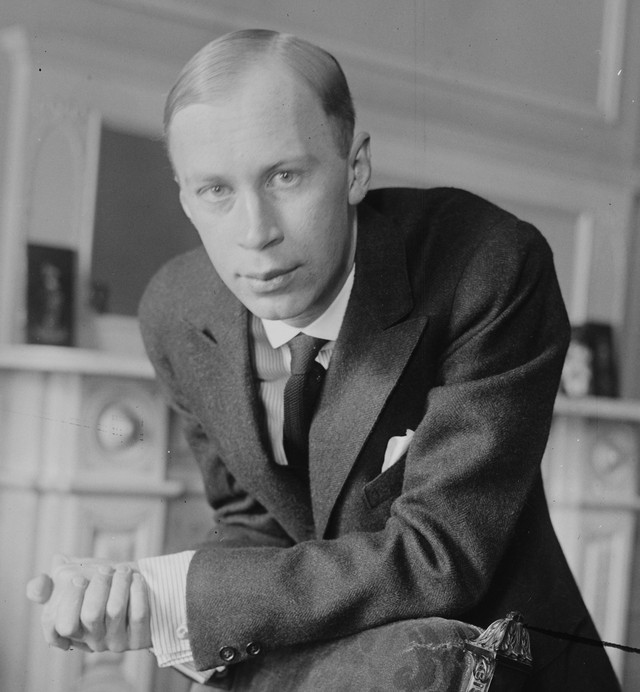
Historically important figures besides Stravinsky include Paul Hindemith, whose concertos and chamber works stressed craftsmanship and contrapuntal clarity; Francis Poulenc, who wrapped French neoclassicism in witty vocal and piano textures within a distinctly modern idiom; and Bohuslav Martinů, whose music blends classical shapes with neoteric rhythms and vibrant orchestration. Sergei Prokofiev’s Classical Symphony (No. 1, 1917) and his later neoclassical pieces also helped anchor the style in the public imagination. These composers, among others, became ambassadors of a sensibility that valued form, proportion, and a certain stoic restraint, even when humor or irony crept in.
In which countries has neoclassical been most popular? Historically, its roots are strongest in Western Europe—France, Germany, Russia, and Italy—plus the United Kingdom and the United States, where it found receptive audiences in conservatories, concert halls, and universities. In the postwar years, its influence spread further in North America and became a staple of international new‑music scenes. In the late twentieth and early twenty‑first centuries, the label “neoclassical” broadened to describe a broader contemporary classical sound: artists who blend traditional forms with minimalist textures, electronic timbres, or cinematic sensibilities. Today, neoclassical aesthetics enjoy global appeal, from European concert stages to North American festivals and Asia’s vibrant film and media music scenes.
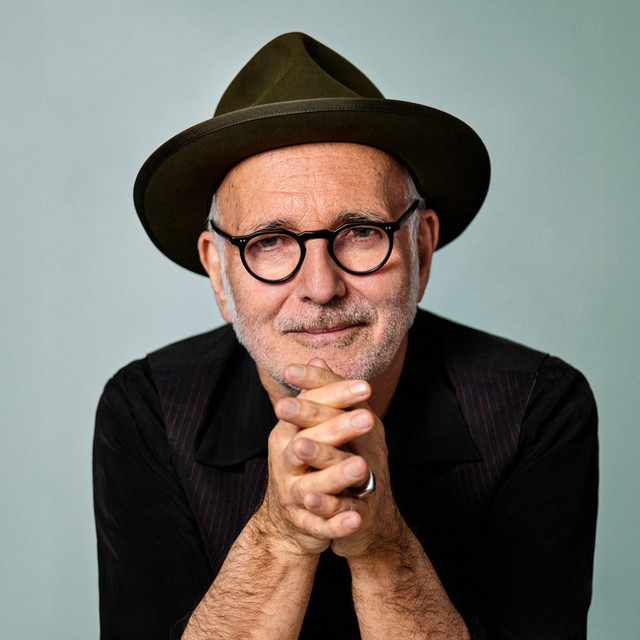
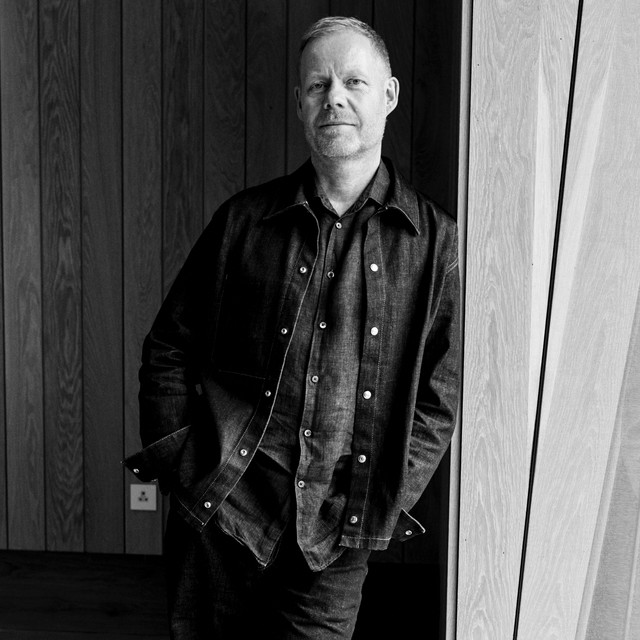
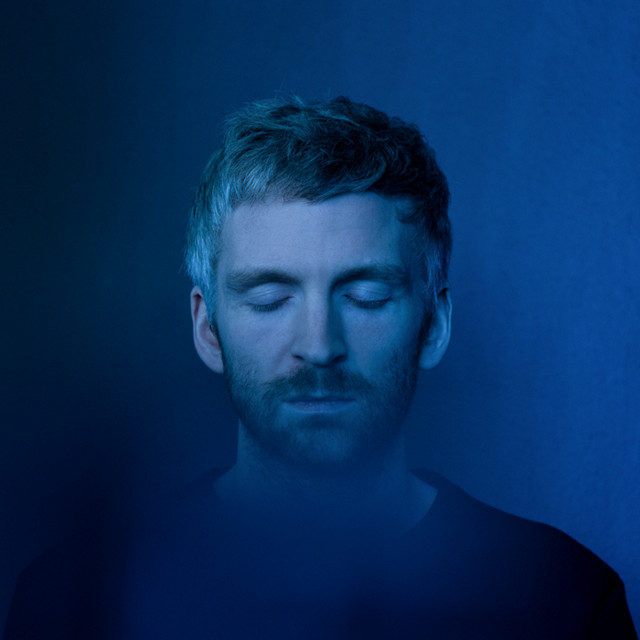
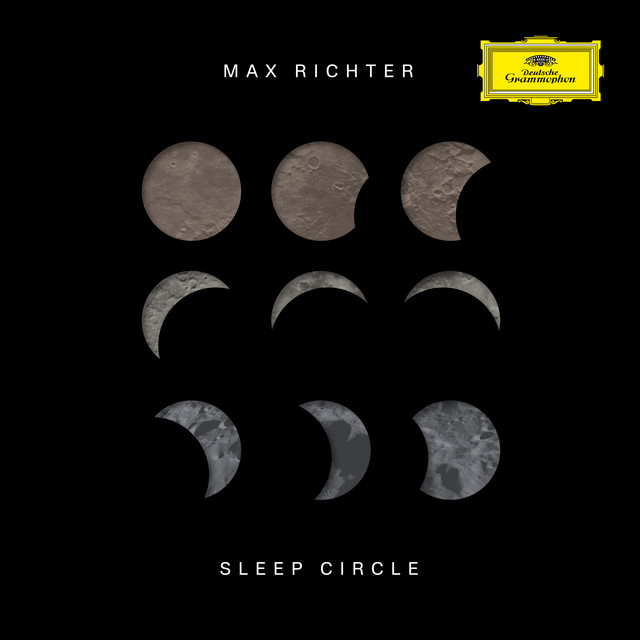
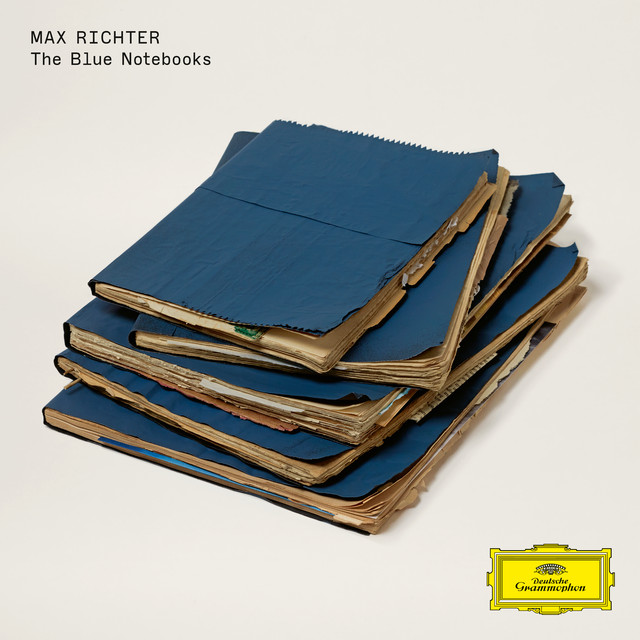
Key modern ambassadors often cited by listeners include not only the historical figures above but also a wave of contemporary composers and performers who embrace a neoclassical spirit in new contexts: artists like Max Richter, Ólafur Arnalds, Nils Frahm, Ludovico Einaudi, and Yann Tiersen, whose music bridges concert hall sensibilities with accessible, emotionally direct writing. They keep the neoclassical lineage alive while expanding what “neoclassical” can mean in the 21st century.
If you’d like, I can tailor a starter list of essential works (historical pieces and modern pieces) or suggest playlists that illustrate the spectrum from strict neoclassicism to contemporary neoclassical fusion.
What defines neoclassical music? It favors clear, crisp textures and balanced proportions. It often employs traditional forms—sonata, concerto, suite, fugue, and rhapsody—while reimagining them with modern harmonic languages, rhythmic vitality, and sometimes witty or ironic mood. Instrumentation can range from intimate chamber ensembles to full orchestras, but the writing tends to emphasize transparent counterpoint, motivic development, and a tonal or modal grounding rather than aggressively avant‑garde sonorities. The aesthetic is less about sensational novelty and more about architectonic clarity: a sense that form and idea are under disciplined control.
Historically important figures besides Stravinsky include Paul Hindemith, whose concertos and chamber works stressed craftsmanship and contrapuntal clarity; Francis Poulenc, who wrapped French neoclassicism in witty vocal and piano textures within a distinctly modern idiom; and Bohuslav Martinů, whose music blends classical shapes with neoteric rhythms and vibrant orchestration. Sergei Prokofiev’s Classical Symphony (No. 1, 1917) and his later neoclassical pieces also helped anchor the style in the public imagination. These composers, among others, became ambassadors of a sensibility that valued form, proportion, and a certain stoic restraint, even when humor or irony crept in.
In which countries has neoclassical been most popular? Historically, its roots are strongest in Western Europe—France, Germany, Russia, and Italy—plus the United Kingdom and the United States, where it found receptive audiences in conservatories, concert halls, and universities. In the postwar years, its influence spread further in North America and became a staple of international new‑music scenes. In the late twentieth and early twenty‑first centuries, the label “neoclassical” broadened to describe a broader contemporary classical sound: artists who blend traditional forms with minimalist textures, electronic timbres, or cinematic sensibilities. Today, neoclassical aesthetics enjoy global appeal, from European concert stages to North American festivals and Asia’s vibrant film and media music scenes.
Key modern ambassadors often cited by listeners include not only the historical figures above but also a wave of contemporary composers and performers who embrace a neoclassical spirit in new contexts: artists like Max Richter, Ólafur Arnalds, Nils Frahm, Ludovico Einaudi, and Yann Tiersen, whose music bridges concert hall sensibilities with accessible, emotionally direct writing. They keep the neoclassical lineage alive while expanding what “neoclassical” can mean in the 21st century.
If you’d like, I can tailor a starter list of essential works (historical pieces and modern pieces) or suggest playlists that illustrate the spectrum from strict neoclassicism to contemporary neoclassical fusion.