Genre
new americana
Top New americana Artists
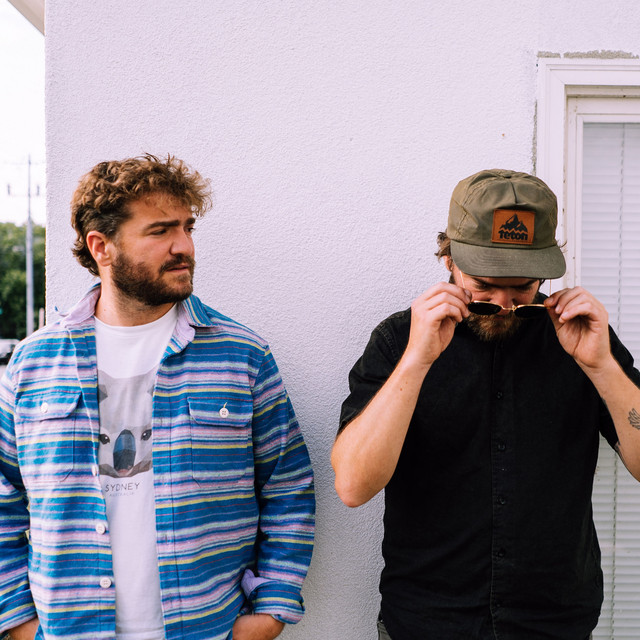
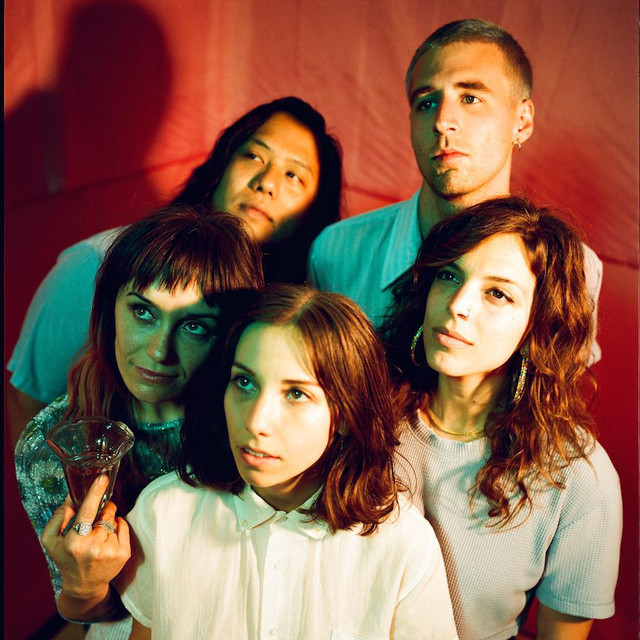
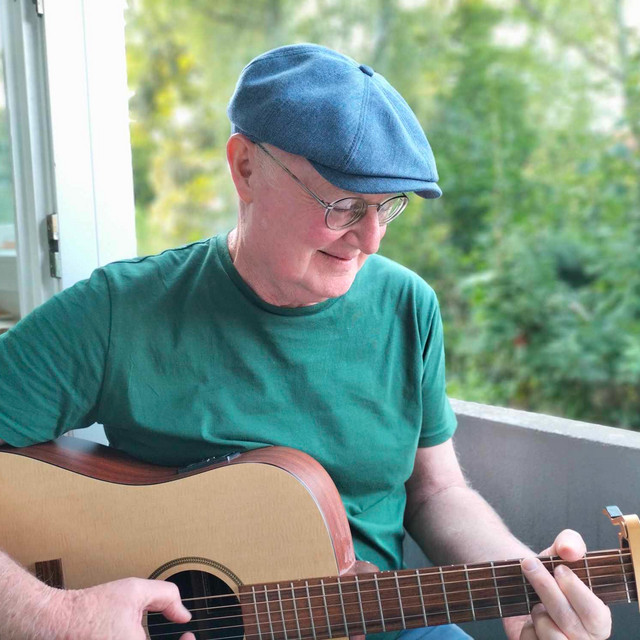
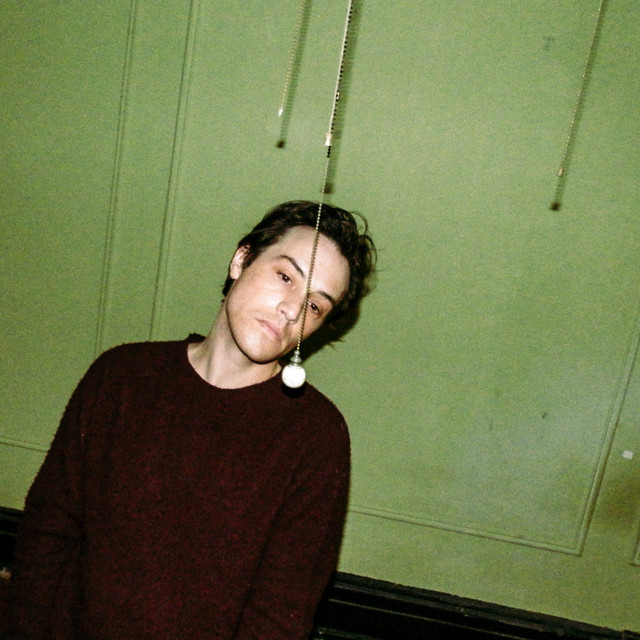
Showing 22 of 22 artists




About New americana
New Americana is the contemporary branch of American roots music that updates folk, country, and blues with indie sensibilities. It is not a single rigid style but a constellation of sounds united by storytelling, warm acoustic textures, and a sense of place that feels both intimate and expansive. The "new" label began to stick in the late 2000s and blossomed through the 2010s as artists moved beyond genre boundaries to fuse fingerpicked guitars, lush vocal harmonies, and cinematic arrangements with modern production.
Origins trace to a revival of American roots forms during the late 2000s, spurred in part by the successes of Bon Iver and Fleet Foxes, whose self-recorded, emotionally direct records set a template for quiet intensity and exquisite detail. The wave was reinforced by UK acts such as Mumford & Sons, along with other European bands, helping accelerate cross-Atlantic exchanges and bringing storytelling and communal choruses to festivals and radio alike. Critics began using “new Americana” to describe this broader, more melodic strand of indie folk and alt-country that felt both true to the old frontier and freshly contemporary.
Ambassadors of this sound include Bon Iver’s pristine, intimate warmth; Fleet Foxes’ close-harmony panoramas; The Head and the Heart’s buoyant, harmonized folk-pop; The Lumineers’ cardio-friendly stomp; and Mumford & Sons’ energetic, stadium-ready folk-rock. No single act defines the movement, but these names served as touchstones for curiosity about roots that could be both rustic and cinematic. Other influential voices—such as Iron & Wine founder Sam Beam’s quiet, literate songs, Sufjan Stevens’ sprawling Americana-tinged narratives, and Brandi Carlile’s fearless storytelling—expanded the palette with folk-soul and country-tinged ballads.
Musically, new Americana favors organic instrumentation: acoustic and electric guitars (often fingerpicked or gently picked), piano, pedal steel, fiddle, banjo, and warm strings. The mood can be hushed and introspective or anthemic and uplifting. The vocal approach tends toward earnest sincerity, often with close harmonies that echo old folk and church music as well as modern pop production. Lyrically, the genre leans into place, memory, love, loss, faith, climate, and social observation, told with a plainspoken vividness that rewards repeated listens.
The genre found its strongest footing in the United States, of course, but resonated across the United Kingdom, Canada, and parts of mainland Europe and Australia. Festival stages, indie venues, and dedicated folk and Americana circuits helped sustain the scene, while streaming and playlist culture broadened its reach beyond traditional centers. For a listener, new Americana offers a pathway into contemporary songwriting that respects the past while inviting experimentation—an ongoing conversation between the road-worn narratives of classic American roots and the restless curiosity of modern indie music.
Beyond the artists, a loose regional ecosystem helped the movement grow: Nashville songwriter circles, Portland's experimental folk, Seattle's DIY rooms, and Brooklyn's indie labels. Co-writes across the Atlantic became common, and labels like Sub Pop, Nonesuch, and Yep Roc helped recordings reach wider listeners. The live scene—clubs, theatres, and, later, festival stages like Newport Folk Festival and Coachella—became laboratories for fresh arrangements and harmonies, inviting new voices into the conversation. And today, the term remains a guidepost rather than a rule, signaling a shared love of storytelling and craft within a modern, genre-spanning palette.
Origins trace to a revival of American roots forms during the late 2000s, spurred in part by the successes of Bon Iver and Fleet Foxes, whose self-recorded, emotionally direct records set a template for quiet intensity and exquisite detail. The wave was reinforced by UK acts such as Mumford & Sons, along with other European bands, helping accelerate cross-Atlantic exchanges and bringing storytelling and communal choruses to festivals and radio alike. Critics began using “new Americana” to describe this broader, more melodic strand of indie folk and alt-country that felt both true to the old frontier and freshly contemporary.
Ambassadors of this sound include Bon Iver’s pristine, intimate warmth; Fleet Foxes’ close-harmony panoramas; The Head and the Heart’s buoyant, harmonized folk-pop; The Lumineers’ cardio-friendly stomp; and Mumford & Sons’ energetic, stadium-ready folk-rock. No single act defines the movement, but these names served as touchstones for curiosity about roots that could be both rustic and cinematic. Other influential voices—such as Iron & Wine founder Sam Beam’s quiet, literate songs, Sufjan Stevens’ sprawling Americana-tinged narratives, and Brandi Carlile’s fearless storytelling—expanded the palette with folk-soul and country-tinged ballads.
Musically, new Americana favors organic instrumentation: acoustic and electric guitars (often fingerpicked or gently picked), piano, pedal steel, fiddle, banjo, and warm strings. The mood can be hushed and introspective or anthemic and uplifting. The vocal approach tends toward earnest sincerity, often with close harmonies that echo old folk and church music as well as modern pop production. Lyrically, the genre leans into place, memory, love, loss, faith, climate, and social observation, told with a plainspoken vividness that rewards repeated listens.
The genre found its strongest footing in the United States, of course, but resonated across the United Kingdom, Canada, and parts of mainland Europe and Australia. Festival stages, indie venues, and dedicated folk and Americana circuits helped sustain the scene, while streaming and playlist culture broadened its reach beyond traditional centers. For a listener, new Americana offers a pathway into contemporary songwriting that respects the past while inviting experimentation—an ongoing conversation between the road-worn narratives of classic American roots and the restless curiosity of modern indie music.
Beyond the artists, a loose regional ecosystem helped the movement grow: Nashville songwriter circles, Portland's experimental folk, Seattle's DIY rooms, and Brooklyn's indie labels. Co-writes across the Atlantic became common, and labels like Sub Pop, Nonesuch, and Yep Roc helped recordings reach wider listeners. The live scene—clubs, theatres, and, later, festival stages like Newport Folk Festival and Coachella—became laboratories for fresh arrangements and harmonies, inviting new voices into the conversation. And today, the term remains a guidepost rather than a rule, signaling a shared love of storytelling and craft within a modern, genre-spanning palette.