Genre
new weird america
Top New weird america Artists
Showing 12 of 12 artists


About New weird america
New Weird America is a loosely defined, United States–born current that emerged in the early to mid-2000s as part of the broader freak folk and indie folk revivals. It’s less a tightly organized movement than a network of artists who shared an interest in reviving traditional American folk forms while pushing them through psychedelic resonance, improvised textures, and intimate, home-recorded aesthetics. The scene crystallized around the idea that folk music could be cinematic, uncanny, and slyly experimental—without abandoning melody or personal warmth.
Origins and timing. The term gained currency in the mid-2000s as music journalists began to group together a set of artists who blurred folk with avant-garde, lo-fi, and indie sensibilities. It grew out of a DIY culture in places like New York, San Francisco, Portland, and Philadelphia, where artists recorded at home or in modest studios, eschewing glossy production in favor of immediacy and character. Although most associated with the United States, the sensibility quickly attracted listeners and correspondents across Europe, contributing to a transatlantic dialogue about what “folk” could sound like in the 21st century.
Aesthetics and approach. New Weird America is characterized by intimate instrumentation (acoustic guitars, banjo, harmonium, harps, field recordings), a willingness to experiment with structure and timbre, and often a mystical or nature-inflected lyric outlook. Production favors lo-fi warmth, subtle hiss, and DIY charm, creating music that feels like a private performance. The mood can be whimsical, spiritual, or haunted, with a sense that the ordinary world contains secret or mythic overlays. While rooted in folk, the sound frequently borrows from psych, ambient, musique concrète, and early indie rock, producing a mosaic that rewards close listening.
Key artists and ambassadors. Several names stand as touchstones for the scene:
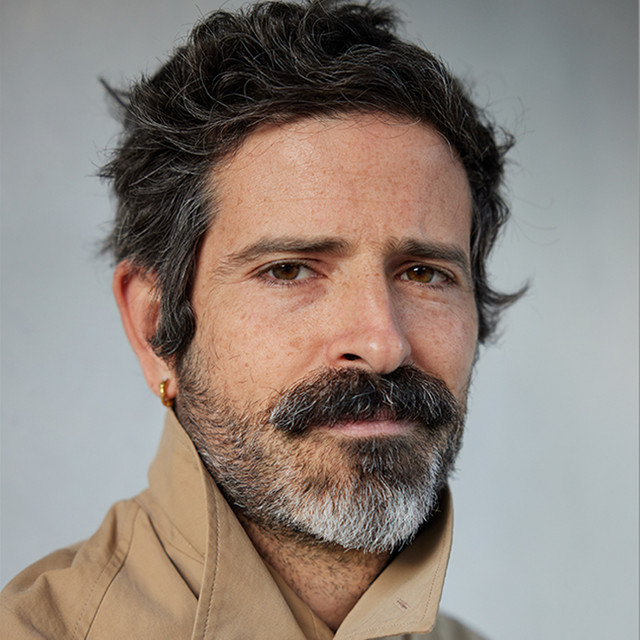
- Devendra Banhart, whose early albums (notably Rejoicing in the Hands, 2004) became synonymous with the era’s handmade, intimate folk.
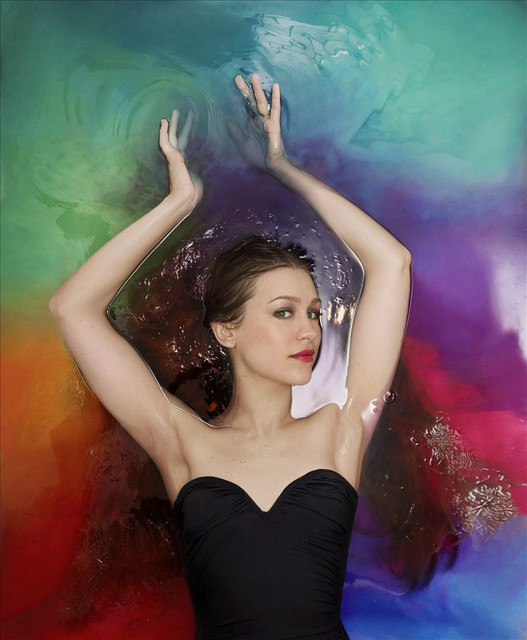
- Joanna Newsom, with her harp-driven, richly narrative Ys (2006), exemplifying the blend of mythic lyricism and virtuosic musicianship.
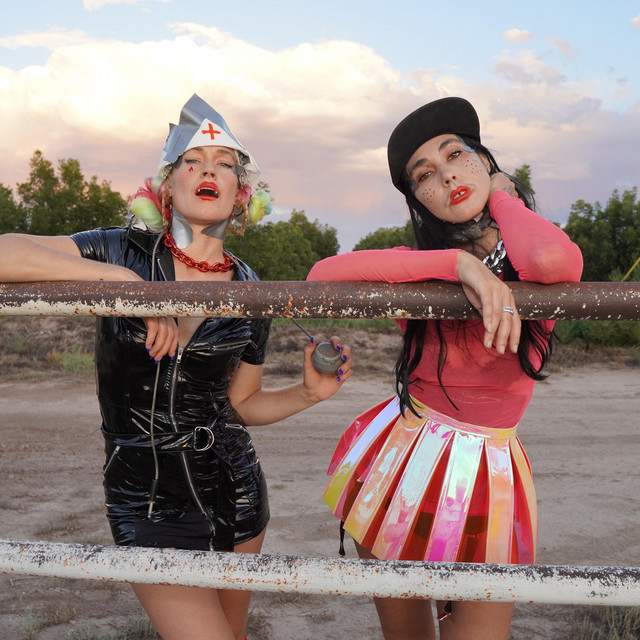
- CocoRosie, who brought a theatrical, otherworldly dimension to the movement through song-poems and globetrotting melodies.
- Espers, Vetiver, and Akron/Family, who helped map the wider constellation of artists producing lush, experimental folk.
- Animal Collective’s experimental edge and communal sensibilities also fed into the broader atmosphere, even as they spanned beyond strict folk.
Geography and popularity. New Weird America found its strongest foothold in the United States, particularly in scenes associated with indie labels, small venues, and artist collectives. It also earned attentive audiences in the United Kingdom and parts of Europe, where press and radio explored the cross-pollination of folk and psychedelic sound. The movement resonated with listeners who prized authenticity, tactile recording aesthetics, and music that sounded like a whisper-from-a-darling-secret rather than a polished product.
Legacy. The energy of New Weird America helped ripple outward into later strands of indie folk, neo-psychedelia, and bedroom pop. It blurred lines between traditional folk and experimental music, inviting a generation of listeners to rethink what could be sung and how it could be recorded. While the most explicit wave of freak folk faded by the end of the decade, the spirit—personal, exploratory, and quietly radical—continues to echo in underground and indie circles today.
Starting points for exploration: Devendra Banhart’s early work, Joanna Newsom’s Ys, CocoRosie’s La Maison de Mon Rêve, Espers’ self-titled album, Vetiver’s early records, Akron/Family’s quirky communal projects, and the larger catalog of Animal Collective’s more intimate, exploratory releases.
Origins and timing. The term gained currency in the mid-2000s as music journalists began to group together a set of artists who blurred folk with avant-garde, lo-fi, and indie sensibilities. It grew out of a DIY culture in places like New York, San Francisco, Portland, and Philadelphia, where artists recorded at home or in modest studios, eschewing glossy production in favor of immediacy and character. Although most associated with the United States, the sensibility quickly attracted listeners and correspondents across Europe, contributing to a transatlantic dialogue about what “folk” could sound like in the 21st century.
Aesthetics and approach. New Weird America is characterized by intimate instrumentation (acoustic guitars, banjo, harmonium, harps, field recordings), a willingness to experiment with structure and timbre, and often a mystical or nature-inflected lyric outlook. Production favors lo-fi warmth, subtle hiss, and DIY charm, creating music that feels like a private performance. The mood can be whimsical, spiritual, or haunted, with a sense that the ordinary world contains secret or mythic overlays. While rooted in folk, the sound frequently borrows from psych, ambient, musique concrète, and early indie rock, producing a mosaic that rewards close listening.
Key artists and ambassadors. Several names stand as touchstones for the scene:
- Devendra Banhart, whose early albums (notably Rejoicing in the Hands, 2004) became synonymous with the era’s handmade, intimate folk.
- Joanna Newsom, with her harp-driven, richly narrative Ys (2006), exemplifying the blend of mythic lyricism and virtuosic musicianship.
- CocoRosie, who brought a theatrical, otherworldly dimension to the movement through song-poems and globetrotting melodies.
- Espers, Vetiver, and Akron/Family, who helped map the wider constellation of artists producing lush, experimental folk.
- Animal Collective’s experimental edge and communal sensibilities also fed into the broader atmosphere, even as they spanned beyond strict folk.
Geography and popularity. New Weird America found its strongest foothold in the United States, particularly in scenes associated with indie labels, small venues, and artist collectives. It also earned attentive audiences in the United Kingdom and parts of Europe, where press and radio explored the cross-pollination of folk and psychedelic sound. The movement resonated with listeners who prized authenticity, tactile recording aesthetics, and music that sounded like a whisper-from-a-darling-secret rather than a polished product.
Legacy. The energy of New Weird America helped ripple outward into later strands of indie folk, neo-psychedelia, and bedroom pop. It blurred lines between traditional folk and experimental music, inviting a generation of listeners to rethink what could be sung and how it could be recorded. While the most explicit wave of freak folk faded by the end of the decade, the spirit—personal, exploratory, and quietly radical—continues to echo in underground and indie circles today.
Starting points for exploration: Devendra Banhart’s early work, Joanna Newsom’s Ys, CocoRosie’s La Maison de Mon Rêve, Espers’ self-titled album, Vetiver’s early records, Akron/Family’s quirky communal projects, and the larger catalog of Animal Collective’s more intimate, exploratory releases.