Genre
ngoni
Top Ngoni Artists
Showing 25 of 25 artists






About Ngoni
The ngoni is a small, long-necked West African lute that sits at the heart of the Mande griot (jeli) tradition. It is more than just an instrument; it is a living archive, used by storytellers and praise-singers to accompany epic poetry, genealogies, and ceremonial songs. Its bright, trellised timbre cuts through percussion and voice, marrying rhythm and melody in a way that invites both intimate listening and collective engagement.
Origins and birth: The ngoni emerges from the historic Mande-speaking realm, with strong roots in present-day Mali, Guinea, Senegal, and surrounding regions. It is tied to the courtly and ceremonial music of the griots, a hereditary bardic class that preserves history, lineage, and social memory through song. While exact dates are murky because much of its early history is oral, the ngoni is widely regarded as one of the oldest plucked lutes in West Africa. In many communities the instrument evolved in parallel with other traditional lutes, gaining different sizes and tunings that could accompany voices and chorus. Its presence across Mali, Guinea, and neighboring countries reflects centuries of cultural exchange and the movement of griot families and repertoires.
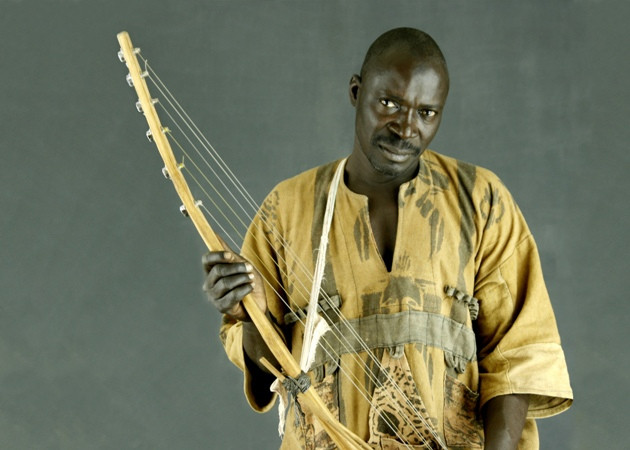
Construction and playing: The ngoni typically features a resonant wooden body or a gourd covered with animal skin, and a long neck fitted with frets. The traditional instrument usually has 2 to 6 gut or nylon strings (often arranged in courses), though modern makers sometimes add more strings for greater range and drone. Strings can be plucked with fingers or a pick, and players frequently tune the ngoni to a pentatonic or modal scale, which allows for expressive details within a cyclical, call-and-response musical structure. The instrument’s crisp attack and shimmering sustain make it ideal for interlocking with percussion, kora, and vocal lines. In contemporary bands, ngoni may be amplified and paired with Western instruments, creating a rich fusion space that still honors its roots.
Music, repertoire, and cultural role: As the primary accompaniment instrument for many jeli singers, storytellers, and dancers, the ngoni anchors both ritual and entertainment contexts. Its repertoire spans praise songs, genealogies, heroic narratives, and improvisational solos that test melodic and rhythmic imagination. The ngoni’s role in ensembles ranges from a lead melodic voice to a supportive texture that weaves in and out of polyrhythmic motifs, often in dialogue with drum patterns and call-and-response vocal phrases. Its sound has also found a place in world music contexts, where players explore cross-cultural collaborations while preserving the instrument’s distinct African idiom.
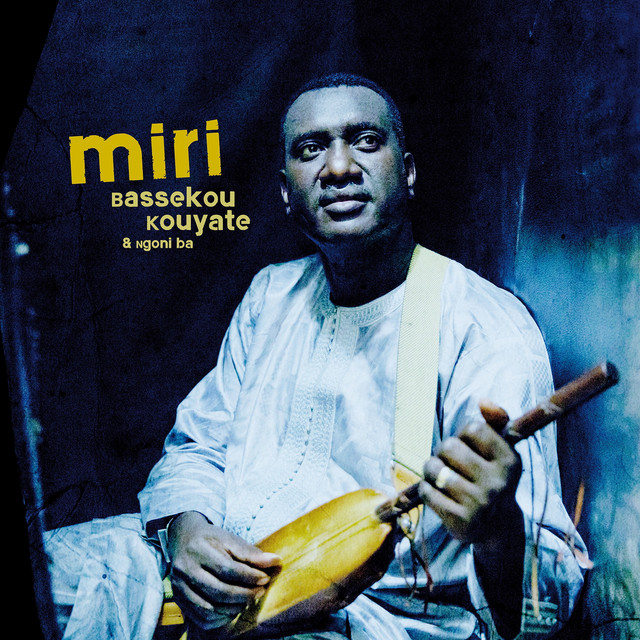
Contemporary ambassadors and where it thrives: In the 20th and 21st centuries, the ngoni gained international attention through a new generation of Malian and Guinean players. The instrument’s most widely recognized modern ambassador is Bassekou Kouyate of Mali, whose ensemble Ngoni Ba popularized the instrument on global stages, highlighting multiple ngoni voices, a strong rhythmic grounding, and a modern, accessible tone without sacrificing tradition. Beyond Mali, the ngoni remains central in Guinea, Burkina Faso, and Senegal, carried by griot families and regional ensembles that continue to pass the craft and repertoire down through generations. Its growing presence in world music scenes—joint projects, festivals, and cross-genre collaborations—has helped establish the ngoni as a symbol of West Africa’s musical heritage and innovation.
If you’re exploring this genre, listen for the ngoni’s lyrical lines, its kinetic plucks, and how it conversations with drums and voice. The instrument offers a window into a centuries-old musical language still alive and evolving today.
Origins and birth: The ngoni emerges from the historic Mande-speaking realm, with strong roots in present-day Mali, Guinea, Senegal, and surrounding regions. It is tied to the courtly and ceremonial music of the griots, a hereditary bardic class that preserves history, lineage, and social memory through song. While exact dates are murky because much of its early history is oral, the ngoni is widely regarded as one of the oldest plucked lutes in West Africa. In many communities the instrument evolved in parallel with other traditional lutes, gaining different sizes and tunings that could accompany voices and chorus. Its presence across Mali, Guinea, and neighboring countries reflects centuries of cultural exchange and the movement of griot families and repertoires.
Construction and playing: The ngoni typically features a resonant wooden body or a gourd covered with animal skin, and a long neck fitted with frets. The traditional instrument usually has 2 to 6 gut or nylon strings (often arranged in courses), though modern makers sometimes add more strings for greater range and drone. Strings can be plucked with fingers or a pick, and players frequently tune the ngoni to a pentatonic or modal scale, which allows for expressive details within a cyclical, call-and-response musical structure. The instrument’s crisp attack and shimmering sustain make it ideal for interlocking with percussion, kora, and vocal lines. In contemporary bands, ngoni may be amplified and paired with Western instruments, creating a rich fusion space that still honors its roots.
Music, repertoire, and cultural role: As the primary accompaniment instrument for many jeli singers, storytellers, and dancers, the ngoni anchors both ritual and entertainment contexts. Its repertoire spans praise songs, genealogies, heroic narratives, and improvisational solos that test melodic and rhythmic imagination. The ngoni’s role in ensembles ranges from a lead melodic voice to a supportive texture that weaves in and out of polyrhythmic motifs, often in dialogue with drum patterns and call-and-response vocal phrases. Its sound has also found a place in world music contexts, where players explore cross-cultural collaborations while preserving the instrument’s distinct African idiom.
Contemporary ambassadors and where it thrives: In the 20th and 21st centuries, the ngoni gained international attention through a new generation of Malian and Guinean players. The instrument’s most widely recognized modern ambassador is Bassekou Kouyate of Mali, whose ensemble Ngoni Ba popularized the instrument on global stages, highlighting multiple ngoni voices, a strong rhythmic grounding, and a modern, accessible tone without sacrificing tradition. Beyond Mali, the ngoni remains central in Guinea, Burkina Faso, and Senegal, carried by griot families and regional ensembles that continue to pass the craft and repertoire down through generations. Its growing presence in world music scenes—joint projects, festivals, and cross-genre collaborations—has helped establish the ngoni as a symbol of West Africa’s musical heritage and innovation.
If you’re exploring this genre, listen for the ngoni’s lyrical lines, its kinetic plucks, and how it conversations with drums and voice. The instrument offers a window into a centuries-old musical language still alive and evolving today.