Genre
russelåter
Top Russelåter Artists
Showing 25 of 3,736 artists









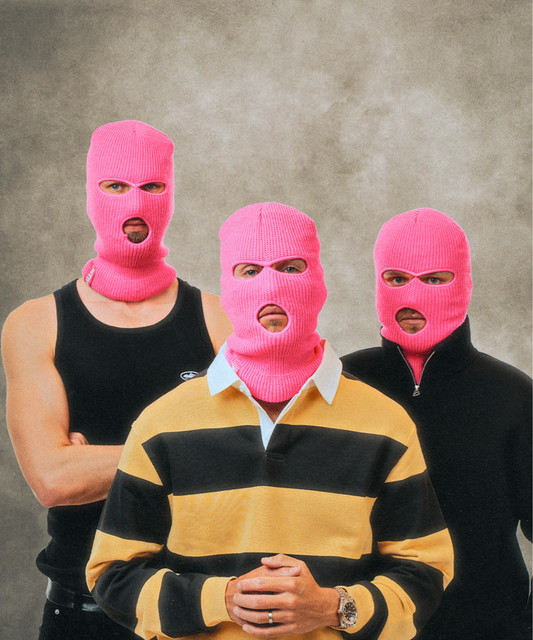


About Russelåter
Note: Russelåter is a niche term tied to the Swedish russe culture—the high‑school graduation tradition that centers a festive, chaotic month of celebration. This description treats russelåter as a recognizable musical subculture within that scene. Details can vary by year and community, but the following gives a cohesive picture aimed at music enthusiasts.
Russelåter is the sound of the russ, a DIY, party-forward current that crystallized as young producers and performers began threading electronic textures with satirical, inside-joke lyrics during the late 1990s and early 2000s. Born from a culture that prizes camaraderie, humor, and high-energy live moments, the genre quickly spread through russ communities via homemade CD compilations, early online clips, and now streaming playlists. The core impulse is to translate the irreplaceable rush of russe celebrations into music you can play in a club, on a bus ride, or at a rooftop jam session.
Sonically, russelåter leans into punchy, club-friendly rhythms. Expect strong four-on-the-floor drums, booming 808 basslines, and bright synth stabs that cue a chantable hook. The production ethos favors immediacy over polish: tracks are often crafted in dorm rooms or small studios with accessible gear, giving the genre its signature rough-edged, infectious charm. You’ll hear a blend of styles that mirrors the russ ethos itself—EDM-inspired drops, hip-hop cadences, electro-pop melodies, and occasional dancehall-flavored accents. The result is music that sounds like a street parade: loud, catchy, and designed to move bodies in unison.
Lyrically, russelåter thrives on satire and self‑reflection. Songs poke fun at exams, senior-year antics, and the absurdities of school bureaucracy, while also bragging about friendships, late-night adventures, and the roll-call of russparty milestones. Lyricists often employ Swedish wordplay, inside jokes, and audience call-and-response cues that make the tracks feel like an invitation to a shared joke. Multilingual lines—especially English phrases thrown into a Swedish chorus—are common, reflecting a cosmopolitan, youth-driven sensibility and a wink at global pop culture.
Ambassadors and key figures in russelåter are typically crews and collectives rather than singular stars. These groups curate year-long playlists, produce official russ songs, and organize the live showcases that punctuate the russ season. Their role is less about individual fame and more about sustaining a collaborative, competitive, festival-like atmosphere that rewards wit, production craft, and crowd connection. Over time, a few producers have managed to cross over into mainstream Nordic pop scenes, bringing more attention to the russ sound while preserving its playful, rebellious core.
Geographically, russelåter is most prominent in Sweden, where the russe tradition is most deeply embedded in school culture. Its footprint is smaller but growing in neighboring Nordic countries, notably among Swedish-speaking communities in Finland and in pockets of Norway, where cross-border collaborations and tours have introduced russ aesthetics to new listeners. The genre also finds an international audience among curious electronic and hip-hop fans who track Nordic youth cultures and enjoy the exuberant, unfiltered energy these tracks deliver.
Looking ahead, russelåter continues to evolve by absorbing global club sounds while staying anchored in the communal, celebratory spirit of the russe season. As with all youth-driven scenes, its vitality lies in experimentation, shared rituals, and the ongoing conversation between in-jokes and universal party energy.
Russelåter is the sound of the russ, a DIY, party-forward current that crystallized as young producers and performers began threading electronic textures with satirical, inside-joke lyrics during the late 1990s and early 2000s. Born from a culture that prizes camaraderie, humor, and high-energy live moments, the genre quickly spread through russ communities via homemade CD compilations, early online clips, and now streaming playlists. The core impulse is to translate the irreplaceable rush of russe celebrations into music you can play in a club, on a bus ride, or at a rooftop jam session.
Sonically, russelåter leans into punchy, club-friendly rhythms. Expect strong four-on-the-floor drums, booming 808 basslines, and bright synth stabs that cue a chantable hook. The production ethos favors immediacy over polish: tracks are often crafted in dorm rooms or small studios with accessible gear, giving the genre its signature rough-edged, infectious charm. You’ll hear a blend of styles that mirrors the russ ethos itself—EDM-inspired drops, hip-hop cadences, electro-pop melodies, and occasional dancehall-flavored accents. The result is music that sounds like a street parade: loud, catchy, and designed to move bodies in unison.
Lyrically, russelåter thrives on satire and self‑reflection. Songs poke fun at exams, senior-year antics, and the absurdities of school bureaucracy, while also bragging about friendships, late-night adventures, and the roll-call of russparty milestones. Lyricists often employ Swedish wordplay, inside jokes, and audience call-and-response cues that make the tracks feel like an invitation to a shared joke. Multilingual lines—especially English phrases thrown into a Swedish chorus—are common, reflecting a cosmopolitan, youth-driven sensibility and a wink at global pop culture.
Ambassadors and key figures in russelåter are typically crews and collectives rather than singular stars. These groups curate year-long playlists, produce official russ songs, and organize the live showcases that punctuate the russ season. Their role is less about individual fame and more about sustaining a collaborative, competitive, festival-like atmosphere that rewards wit, production craft, and crowd connection. Over time, a few producers have managed to cross over into mainstream Nordic pop scenes, bringing more attention to the russ sound while preserving its playful, rebellious core.
Geographically, russelåter is most prominent in Sweden, where the russe tradition is most deeply embedded in school culture. Its footprint is smaller but growing in neighboring Nordic countries, notably among Swedish-speaking communities in Finland and in pockets of Norway, where cross-border collaborations and tours have introduced russ aesthetics to new listeners. The genre also finds an international audience among curious electronic and hip-hop fans who track Nordic youth cultures and enjoy the exuberant, unfiltered energy these tracks deliver.
Looking ahead, russelåter continues to evolve by absorbing global club sounds while staying anchored in the communal, celebratory spirit of the russe season. As with all youth-driven scenes, its vitality lies in experimentation, shared rituals, and the ongoing conversation between in-jokes and universal party energy.