Genre
nu metal
Top Nu metal Artists
Showing 25 of 2,359 artists






About Nu metal
Nu metal is a heavier, more experimental branch of metal that fused groove-laden guitar riffs with hip-hop rhythms, industrial textures, and alternative rock attitude. Born in the mid-1990s in the United States, it emerged from a scene where bands on the fringes of metal and alternative rock started stretching the rules of what metal could sound like. The sound was built on down-tuned guitars, prominent bass, programmed beats, sample loops, and turntable textures, often paired with pronounced vocal deliveries that could switch from rap to shout to melody in a single track.
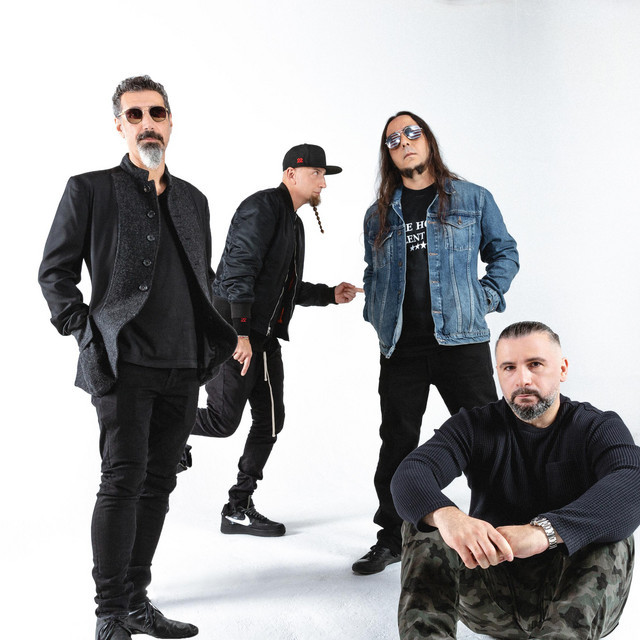
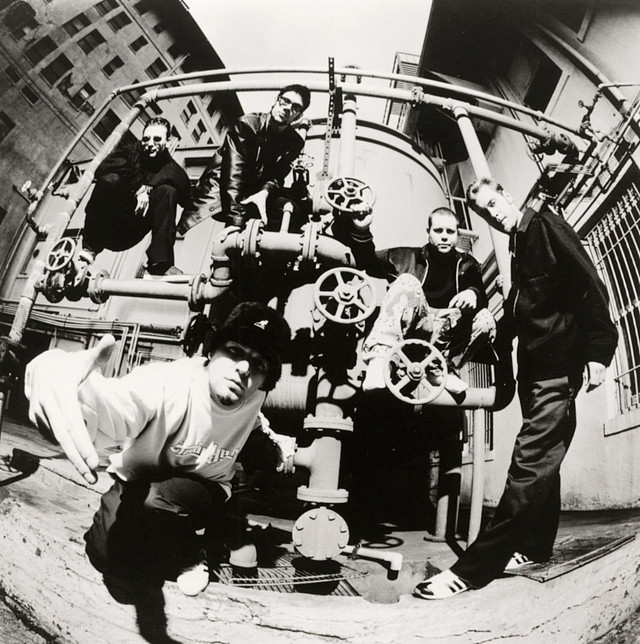
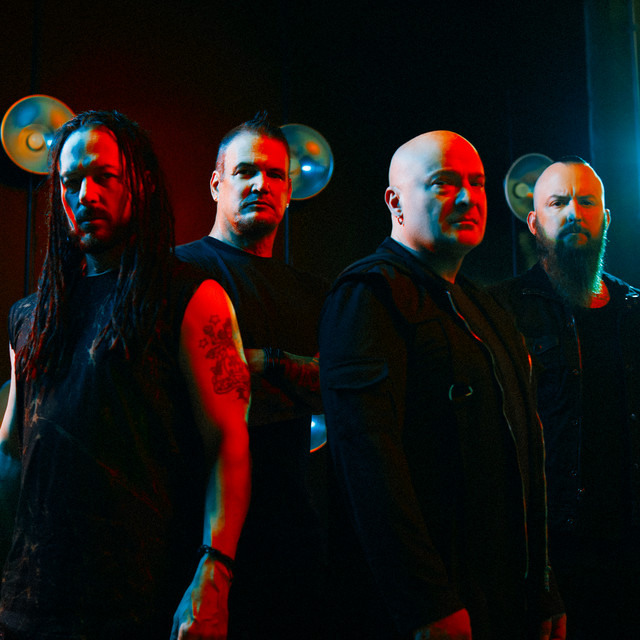
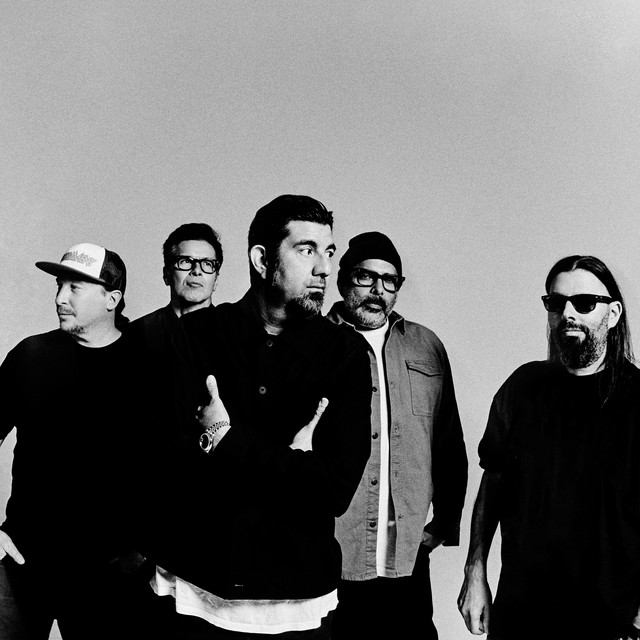
Pioneers and ambassadors of the genre include Korn, often cited as the first widely recognized nu metal band, released a self-titled album in 1994 and Follow the Leader in 1998, helping define the template: heavy grooves, downtuned chugs, emotionally raw lyrics. Limp Bizkit brought rap-rock into the mainstream with performances and hits like “Nookie” and “Break Stuff” from Significant Other (1999). Slipknot pushed aggression and theatricality with masked personas and a relentless live show, debuting in 1999 with a ferocious sound that fused death-metal heft with industrial clamor. Deftones offered a contrastive strand within nu metal—lyrical melancholy, spacious guitar textures, and dynamics that could swing from crushing to contemplative. Linkin Park bridged nu metal with pop-accessible hooks and electronic textures on Hybrid Theory (2000), a record that became one of the era’s best-selling albums. System of a Down, Mudvayne, Staind and P.O.D. were among other ambassadors, each adding their own shade—progressive riffs, melodic sensibilities, or political/psychological lyricism—that broadened what nu metal could communicate.
Geographically, the United States was the cradle, but the movement spread across Europe and into Latin America, where bands thrived in crowded clubs and festival lineups. The era benefited from MTV exposure, major tours like the Warped Tour, and a wave of record-label campaigns that packaged nu metal as both heavy and accessible. The genre's aesthetic—streetwear fashion, masked stages, and cross-genre collaborations—helped it reach audiences who were hungry for something heavier yet melodic and commercially viable.
Sonically, nu metal often trades precision for atmosphere, rhythm, and mood. Fans relish the heavy, groove-driven riffs, the fusion of rap cadences with brutal choruses, and moments of unexpected tenderness or experimentation—the kind of contrast that let a chorus hit hard even as the guitar line feels sprawling. Though the peak faded after 2003–2004, the legacy lingers in many bands that blend metal with hip-hop, industrial, or electronic elements, and in fans who remember the era for its willingness to bend genres rather than hold to a single tradition.
For the aficionado, nu metal is a document of late-20th-century experimentation—a snapshot of metal's hybrid future. Nu metal did not arrive in a vacuum. It drew from industrial pioneers, rap, funk-rock, and the lower-tuned guitars of groove metal. It gave space to DJs and sampling in metal, and to melodic hooks that could sit beside screaming verses. Over time, bands like Staind and P.O.D. integrated more chorus-driven moments, while Deftones explored ambient textures—keeping the genre flexible even as trends shifted.
Pioneers and ambassadors of the genre include Korn, often cited as the first widely recognized nu metal band, released a self-titled album in 1994 and Follow the Leader in 1998, helping define the template: heavy grooves, downtuned chugs, emotionally raw lyrics. Limp Bizkit brought rap-rock into the mainstream with performances and hits like “Nookie” and “Break Stuff” from Significant Other (1999). Slipknot pushed aggression and theatricality with masked personas and a relentless live show, debuting in 1999 with a ferocious sound that fused death-metal heft with industrial clamor. Deftones offered a contrastive strand within nu metal—lyrical melancholy, spacious guitar textures, and dynamics that could swing from crushing to contemplative. Linkin Park bridged nu metal with pop-accessible hooks and electronic textures on Hybrid Theory (2000), a record that became one of the era’s best-selling albums. System of a Down, Mudvayne, Staind and P.O.D. were among other ambassadors, each adding their own shade—progressive riffs, melodic sensibilities, or political/psychological lyricism—that broadened what nu metal could communicate.
Geographically, the United States was the cradle, but the movement spread across Europe and into Latin America, where bands thrived in crowded clubs and festival lineups. The era benefited from MTV exposure, major tours like the Warped Tour, and a wave of record-label campaigns that packaged nu metal as both heavy and accessible. The genre's aesthetic—streetwear fashion, masked stages, and cross-genre collaborations—helped it reach audiences who were hungry for something heavier yet melodic and commercially viable.
Sonically, nu metal often trades precision for atmosphere, rhythm, and mood. Fans relish the heavy, groove-driven riffs, the fusion of rap cadences with brutal choruses, and moments of unexpected tenderness or experimentation—the kind of contrast that let a chorus hit hard even as the guitar line feels sprawling. Though the peak faded after 2003–2004, the legacy lingers in many bands that blend metal with hip-hop, industrial, or electronic elements, and in fans who remember the era for its willingness to bend genres rather than hold to a single tradition.
For the aficionado, nu metal is a document of late-20th-century experimentation—a snapshot of metal's hybrid future. Nu metal did not arrive in a vacuum. It drew from industrial pioneers, rap, funk-rock, and the lower-tuned guitars of groove metal. It gave space to DJs and sampling in metal, and to melodic hooks that could sit beside screaming verses. Over time, bands like Staind and P.O.D. integrated more chorus-driven moments, while Deftones explored ambient textures—keeping the genre flexible even as trends shifted.