Artist
Rage Against The Machine
Data may be outdated
Last updated: 4 weeks ago — Click refresh to get the latest statistics.
Taking aim at corporate America, cultural imperialism, and government oppression, Rage Against the Machine formed in Los Angeles in the early '90s out of the wreckage of a number of local groups: vocalist <a href="spotify:artist:1jKpNUjiz4KXgaAZD5FI9S">Zack de la Rocha</a> (the son of Chicano political artist Robert de la Rocha) emerged from the bands Headstance, <a href="spotify:artist:670pAU7IluScLNL90VyGVp">Farside</a>, and <a href="spotify:artist:6skV6Av1DdOenxQ3FeOC4k">Inside Out</a>; guitarist <a href="spotify:artist:74NBPbyyftqJ4SpDZ4c1Ed">Tom Morello</a> (the nephew of Jomo Kenyatta, the first Kenyan president) originated in <a href="spotify:artist:630pTnkYgMsGZ1Te7M9yyq">Lock Up</a>; and drummer Brad Wilk played with future <a href="spotify:artist:1w5Kfo2jwwIPruYS2UWh56">Pearl Jam</a> frontman <a href="spotify:artist:0mXTJETA4XUa12MmmXxZJh">Eddie Vedder</a>. Rounded out by bassist Tim Commerford, a childhood friend of <a href="spotify:artist:1jKpNUjiz4KXgaAZD5FI9S">de la Rocha</a>'s, Rage debuted in 1992 with a self-released, self-titled 12-song cassette featuring the song "Bullet in the Head," which became a hit when reissued as a single later in the year. The tape won the band a deal with <a href="spotify:search:label%3A%22Epic%22">Epic</a>, and their leap to the majors did not go unnoticed by detractors, who questioned the revolutionary integrity of Rage Against the Machine's decision to align itself with the label's parent company, media behemoth <a href="spotify:search:label%3A%22Sony%22">Sony</a>.
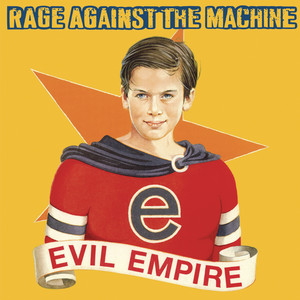
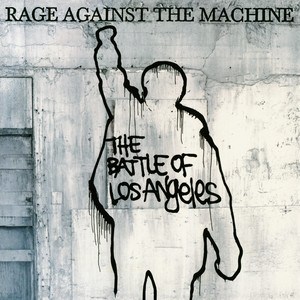
Undeterred, the quartet made their official major-label debut with Rage Against the Machine, scoring hits with singles like "Killing in the Name" and "Bombtrack." After touring with Lollapalooza and declaring their support of groups like FAIR (Fairness and Accuracy in Reporting), Rock for Choice, and Refuse & Resist, Rage spent a reportedly tumultuous four years working on their follow-up. Despite rumors of a breakup, they returned in 1996 with Evil Empire, which entered the U.S. album charts at number one and scored a hit single with "Bulls on Parade." The track "Tire Me" went on to win a Grammy for Best Metal Performance. In 1997, the band charted a summer tour with rap group <a href="spotify:artist:34EP7KEpOjXcM2TCat1ISk">Wu-Tang Clan</a> (the <a href="spotify:artist:34EP7KEpOjXcM2TCat1ISk">Wu</a> later dropped off the tour and <a href="spotify:artist:78xUyw6FkVZrRAtziFdtdu">the Roots</a> replaced them) and remained active in support of various leftist political causes, including a controversial 1999 benefit concert for death-row inmate <a href="spotify:artist:22cCkMaX0EIW78JqEcHurf">Mumia Abu-Jamal</a>. Third album The Battle of Los Angeles followed in 1999, also debuting at number one and going double platinum by the following summer. Album single "Guerrilla Radio" scored Rage a second Grammy, this time for Best Hard Rock Performance. A live set from the era -- The Battle of Mexico City -- was recorded for a documentary of the same name and released in 2001 (it finally appeared on vinyl on its 20th anniversary in 2021).
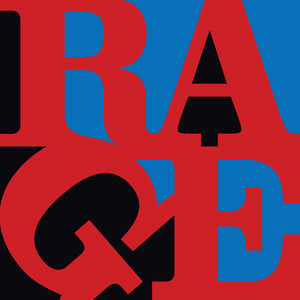
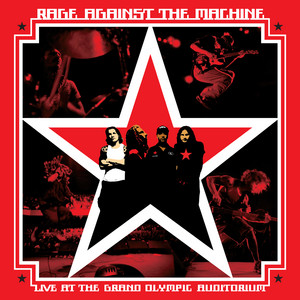
In early 2000, <a href="spotify:artist:1jKpNUjiz4KXgaAZD5FI9S">de la Rocha</a> announced plans for a solo project and the band performed an incendiary show outside the Democratic National Convention in August (and months later stirred things up outside the Republican National Convention). In between, bassist Commerford was arrested for disorderly conduct at MTV's Video Music Awards following his bizarre disruption of a <a href="spotify:artist:165ZgPlLkK7bf5bDoFc6Sb">Limp Bizkit</a> acceptance speech. Plans for a live album were announced shortly thereafter, but in October, <a href="spotify:artist:1jKpNUjiz4KXgaAZD5FI9S">de la Rocha</a> abruptly announced his departure from the band, citing breakdowns in communication and group decision-making. Surprised but not angry, the remainder of Rage announced plans to continue with a new vocalist, while <a href="spotify:artist:1jKpNUjiz4KXgaAZD5FI9S">de la Rocha</a> refocused on his solo album, which was slated to include collaborations with acclaimed hip-hop artists including <a href="spotify:artist:5CE2IfdYZEQGIDsfiRm8SI">DJ Shadow</a> and <a href="spotify:artist:57UnSUpae3SbRekxNa5Kgl">El-P</a> of <a href="spotify:artist:0y0VESpVYa8xyNAxu77kcS">Company Flow</a>. December 2000 saw the release of <a href="spotify:artist:1jKpNUjiz4KXgaAZD5FI9S">de la Rocha</a>'s final studio effort with the band, the <a href="spotify:artist:1EpmQFTiJbcxzwbLpuUL8L">Rick Rubin</a>-produced Renegades; it featured nearly a dozen covers of hip-hop, rock, and punk artists like <a href="spotify:artist:3zpKjsMg2gw1St5WcWoUJN">EPMD</a>, <a href="spotify:artist:3eqjTLE0HfPfh78zjh6TqT">Bruce Springsteen</a>, <a href="spotify:artist:0UKfenbZb15sqhfPC6zbt3">Devo</a>, <a href="spotify:artist:22bE4uQ6baNwSHPVcDxLCe">the Rolling Stones</a>, <a href="spotify:artist:4WquJweZPIK9qcfVFhTKvf">the MC5</a>, and more. By 2001, <a href="spotify:artist:74NBPbyyftqJ4SpDZ4c1Ed">Morello</a>, Wilk, and Commerford had formed <a href="spotify:artist:2ziB7fzrXBoh1HUPS6sVFn">Audioslave</a> with <a href="spotify:artist:5xUf6j4upBrXZPg6AI4MRK">Soundgarden</a> frontman <a href="spotify:artist:0XHiH53dHrvbwfjYM7en7I">Chris Cornell</a>, and the group released an eponymous album by the end of 2002. With a <a href="spotify:artist:1jKpNUjiz4KXgaAZD5FI9S">de la Rocha</a> solo album still not announced, <a href="spotify:search:label%3A%22Epic%22">Epic</a> finally released the long-promised concert album Live at the Grand Olympic Auditorium on CD and DVD in time for Christmas 2003.
Over the next few years, rumors of a Rage Against the Machine reunion always swirled but never came to fruition. Two <a href="spotify:artist:2ziB7fzrXBoh1HUPS6sVFn">Audioslave</a> albums followed in 2005 and 2006 before the group split, then the next year <a href="spotify:artist:74NBPbyyftqJ4SpDZ4c1Ed">Morello</a> began releasing protest folk-punk as <a href="spotify:artist:7EjKjdMPMXNu0sVAqXrzxF">the Nightwatchman</a>. That year also brought the long-anticipated Rage Against the Machine reunion. First, the band played the closing day of 2007's Coachella festival, then in 2008 several other gigs followed, usually coinciding with major festivals in Europe and the U.S. No new studio work from Rage Against the Machine materialized, but <a href="spotify:artist:1jKpNUjiz4KXgaAZD5FI9S">de la Rocha</a> collaborated with former <a href="spotify:artist:75U40yZLLPglFgXbDVnmVs">Mars Volta</a> drummer Jon Theodore in a group called <a href="spotify:artist:6cQ3KWVz7xm7TrML8XxgsW">One Day as a Lion</a>, releasing an EP that year.
The next burst of Rage activity came in 2009 when there was an Internet campaign to get "Killing in the Name" to the top of the U.K. charts, all in the hopes of thwarting an X Factor winner from taking the pole position. The viral campaign worked and Rage played a free celebratory concert at Finsbury Park in the summer of 2010. Despite all these gigs -- including a summer 2011 appearance at L.A. Rising, a festival the band arranged -- and word of a new album, no recordings appeared. In 2013, their debut album received a deluxe reissue and, two years later, the 2010 Finsbury Park gig was issued as a CD/DVD release. The next year, <a href="spotify:artist:74NBPbyyftqJ4SpDZ4c1Ed">Morello</a>, Wilk, and Commerford joined forces with <a href="spotify:artist:6Mo9PoU6svvhgEum7wh2Nd">Public Enemy</a>'s <a href="spotify:artist:1JfH8gevkDviqs50A5NO0L">Chuck D</a> and <a href="spotify:artist:4P0dddbxPil35MNN9G2MEX">Cypress Hill</a>'s <a href="spotify:artist:2LiWxiQzuD9nmWQ6NCA8Gd">B Real</a> to form the supergroup <a href="spotify:artist:1fSzW5cXBmquli5laFnoGY">Prophets of Rage</a>, releasing a self-titled album in 2017.
As 2019 came to a close, Rage kicked off a new decade with more reports of a comeback. Coachella appearances were later confirmed, the start of a global trek that would pair the veteran band with like-minded rap duo (and frequent <a href="spotify:artist:1jKpNUjiz4KXgaAZD5FI9S">de la Rocha</a> collaborators) <a href="spotify:artist:4RnBFZRiMLRyZy0AzzTg2C">Run the Jewels</a>. However, plans were halted by March, when the COVID-19 pandemic forced cancellations of most live music for 2020. That June, as protests against police brutality broke out around the world following the death of George Floyd, Rage's albums returned to Billboard and streaming charts. ~ Neil Z. Yeung & Jason Ankeny, Rovi
Monthly Listeners
11.9 million
Monthly Listeners History
Track the evolution of monthly listeners over the last 28 days.
Followers
7.5 million
Followers History
Track the evolution of followers over the last 28 days.
Total Streams
7.4 billion
Total Streams History
Track the evolution of total streams over the last 28 days. This data is calculated from all tracks listed in the artist's discography.
Top Cities

Related Artists
Beastie Boys