Genre
okinawan folk
Top Okinawan folk Artists
Showing 16 of 16 artists

4

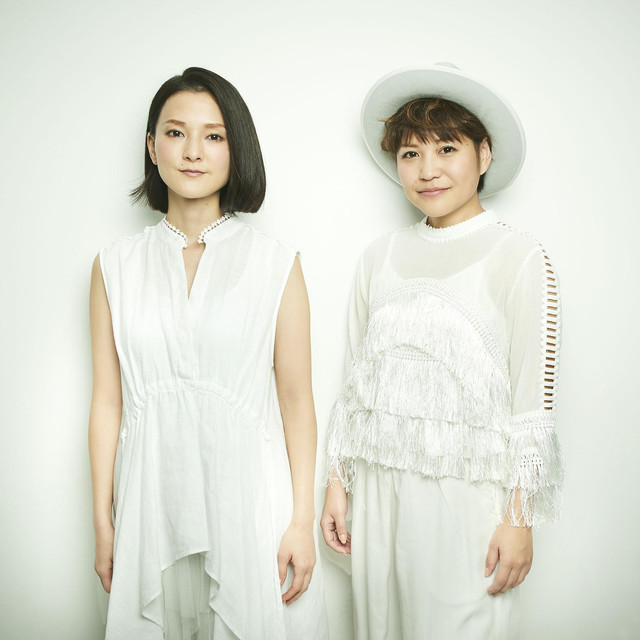
ゆいゆいシスターズ
1,329
9,021 listeners
7
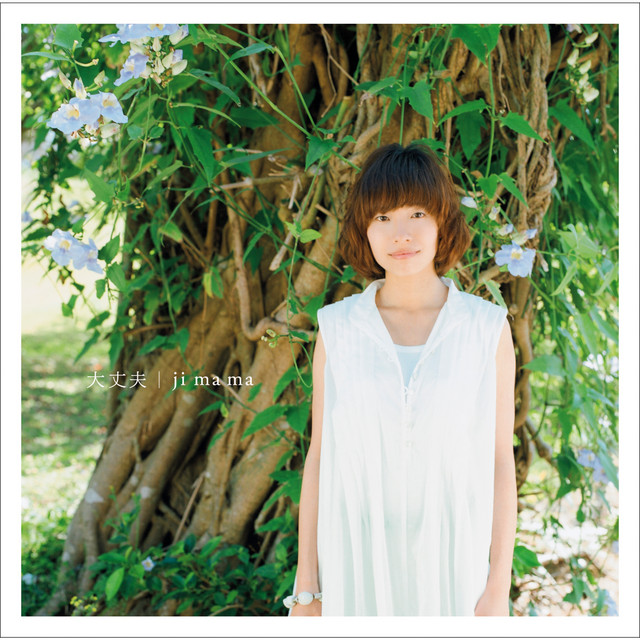
かりゆし娘
215
870 listeners

9

宮國米男
Japan
132
405 listeners
10

田場盛信
174
366 listeners
12
山入端すみ
28
245 listeners
14
多嘉良美子
45
221 listeners

16

みなみ
176
4 listeners
About Okinawan folk
Okinawan folk is a rich, sun-warmed strand of Japanese music that grows from the Ryukyu Islands’ ancient crossroads of Asia, Africa, and the Pacific. Rooted in the archipelago’s distinctive language, melodies, and dance rhythms, it preserves a sense of place that feels both intimate and expansive. At its heart is the sanshin, a three-stringed lute with snakeskin skin, whose bright, tremulous tones define the sound. Alongside it, percussion from eisa drums to handclaps, and vocal styles that glide between chant and song, create a palette that is unmistakably Okinawan.
Historically, Okinawan folk arises from the former Ryukyu Kingdom, which maintained its own cultural orbit until its incorporation into Japan in the late 19th century. The traditional repertoire—often referred to as min’yō—was sung in the Okinawan language (Uchinaaguchi) and circulated through villages, festivals, and seafaring routes. After World War II, Okinawa’s music absorbed new influences from mainland Japan, the United States, and broader world music currents. The result was a vibrant fusion of old and new: island rhythms meeting rock, reggae, jazz, and pop, while instruments like the sanshin remained the melodic anchor.
Key traits of Okinawan folk include a melodic openness that favors pentatonic-like scales and expressive, nasal-toned singing, as well as a storytelling impulse that carries memory, longing, and humor. The repertoire often champions themes of home, hardship, resilience, and the sea. Performances frequently emphasize communal participation—shamisen-like strumming, call-and-response vocal phrases, and choruses that invite audience involvement during celebrations and gatherings.
In the modern era, several figures have become ambassadors of Okinawan folk to wider audiences. Shoukichi Kina, a towering figure in the 1970s and beyond, fused traditional Okinawan music with rock and reggae, forming the Champloose ensemble. His work helped position Okinawan sound on international stages and left an enduring template for cross-genre exploration. Rinken Band and other Okinawan groups continued this lineage, preserving traditional forms while embracing contemporary sensibilities.
Today, artists such as Rimi Natsukawa have brought Okinawan color to mainstream listeners with emotionally direct songs performed in Uchinaaguchi and standard Japanese. Her renditions, and the broader revival of Okinawan songcraft, helped popularize the sound beyond the archipelago. The Okinawan scene also includes bands like Begin, and the space-spanning influence of The Boom’s Shima Uta—an emblematic track that brought island imagery and sentiment into Japan’s broader pop consciousness—demonstrating how Okinawan folk can resonate far from its shores.
Geographically, Okinawan folk finds its strongest bases in Japan, especially Okinawa. It also enjoys devoted niche audiences in Hawaii and the continental United States, Taiwan, and Europe among world-music listeners who prize regionally rooted, emotionally direct music. For enthusiasts, the genre offers a doorway into a universe where history, language, and landscape fuse into songs that feel both ancient and alive.
Listening tips: seek out traditional min’yō collections for the sanshin’s crisp textures; explore Champloose or Rinken Band for cross-genre blends; and sample Rimi Natsukawa or Begin to hear how contemporary voices carry the Okinawan spirit into modern songwriting.
Historically, Okinawan folk arises from the former Ryukyu Kingdom, which maintained its own cultural orbit until its incorporation into Japan in the late 19th century. The traditional repertoire—often referred to as min’yō—was sung in the Okinawan language (Uchinaaguchi) and circulated through villages, festivals, and seafaring routes. After World War II, Okinawa’s music absorbed new influences from mainland Japan, the United States, and broader world music currents. The result was a vibrant fusion of old and new: island rhythms meeting rock, reggae, jazz, and pop, while instruments like the sanshin remained the melodic anchor.
Key traits of Okinawan folk include a melodic openness that favors pentatonic-like scales and expressive, nasal-toned singing, as well as a storytelling impulse that carries memory, longing, and humor. The repertoire often champions themes of home, hardship, resilience, and the sea. Performances frequently emphasize communal participation—shamisen-like strumming, call-and-response vocal phrases, and choruses that invite audience involvement during celebrations and gatherings.
In the modern era, several figures have become ambassadors of Okinawan folk to wider audiences. Shoukichi Kina, a towering figure in the 1970s and beyond, fused traditional Okinawan music with rock and reggae, forming the Champloose ensemble. His work helped position Okinawan sound on international stages and left an enduring template for cross-genre exploration. Rinken Band and other Okinawan groups continued this lineage, preserving traditional forms while embracing contemporary sensibilities.
Today, artists such as Rimi Natsukawa have brought Okinawan color to mainstream listeners with emotionally direct songs performed in Uchinaaguchi and standard Japanese. Her renditions, and the broader revival of Okinawan songcraft, helped popularize the sound beyond the archipelago. The Okinawan scene also includes bands like Begin, and the space-spanning influence of The Boom’s Shima Uta—an emblematic track that brought island imagery and sentiment into Japan’s broader pop consciousness—demonstrating how Okinawan folk can resonate far from its shores.
Geographically, Okinawan folk finds its strongest bases in Japan, especially Okinawa. It also enjoys devoted niche audiences in Hawaii and the continental United States, Taiwan, and Europe among world-music listeners who prize regionally rooted, emotionally direct music. For enthusiasts, the genre offers a doorway into a universe where history, language, and landscape fuse into songs that feel both ancient and alive.
Listening tips: seek out traditional min’yō collections for the sanshin’s crisp textures; explore Champloose or Rinken Band for cross-genre blends; and sample Rimi Natsukawa or Begin to hear how contemporary voices carry the Okinawan spirit into modern songwriting.