Data may be outdated
Last updated: 7 months ago — Click refresh to get the latest statistics.
A quartet from Okinawa, near Japan, formed when Sadao China, an elder statesmen of traditional music on the island, decided he wished to promote an all-female group in 1990. Part of the plan was for the selected women to sing Okinawan minyo music (effectively island folk), but using Western instruments to appeal to the youth of the island. The first recruit was band leader Misako Koja (b. c.1956, Okinawa), already a widely recognised figure in the local music scene through singing and playing the sanshin (three-stringed lute) since an early age. She made her first solo recording at the age of 10, before studying under Sadao China and joining the Okinawan Chans, a chorus group who accompanied Ryûichi Sakamoto on tour. The second member to join Nenes was Yasuko Miyazato, another veteran student of China. The quartet was completed by the addition of Yuino Hiyane, like Yasuko Miyazato a former winner of the Ryukyu Minyo Preservation Society national music competition, and finally Namiko Miyazato. In the studio, China acted as their executive producer and composer, supporting his charges’ elegant choruses and harmonies with his own sanshin playing, adding keyboards from Spiritual Unity leader Sahara Kazuya. The resultant Ikawu became a massive hit, selling out of its first pressing within two weeks, and eventually becoming the most successful Okinawan release in mainland Japan in 1991. Its success prompted what subsequently became known as the ‘Okinawan wave’ in Japanese music. Signing to major label Ki/oon Sony the following year, Yunta saw Kazuya and China concoct a new brand of shima uta (island songs) pop with the addition of Brazilian musicians, as Nenes embarked on a sell out tour of Japan with Spiritual Unity. Yet all the time they continued to play more relaxed shows at the Okinawan Shima Uta nightclub, which is their base, singing as necessary with the arrival of customers. A third album, Ashibi, featured a cover version of Bob Marley’s ‘No Woman No Cry’, in addition to the mainly China-penned originals, including a version of his own Japanese pop hit from 1977, ‘Bye Bye Okinawa’.
Monthly Listeners
9,758
Monthly Listeners History
Track the evolution of monthly listeners over the last 28 days.
Followers
8,373
Followers History
Track the evolution of followers over the last 28 days.
Top Cities
Related Artists
Rinken Band

Rinsho Kadekaru

Seijin Noborikawa

Sadao China

Toru Yonaha

みなみ

Ayano Uema

大城美佐子

千博樂家族樂團
内里美香

Seibun Tokuhara

Yasukatsu Oshima

松田一利
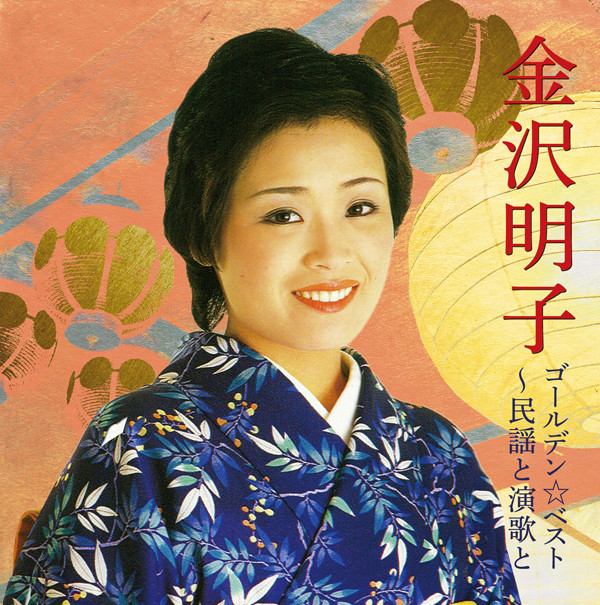
Akiko Kanazawa
知名定男
Kina Shouei Group
パーシャクラブ
チャンプルーズ
古謝美佐子

神谷千尋

上原睦三

六角精児
宮里康子

i-dushi
Antei Tamaki
チャンプルーズ
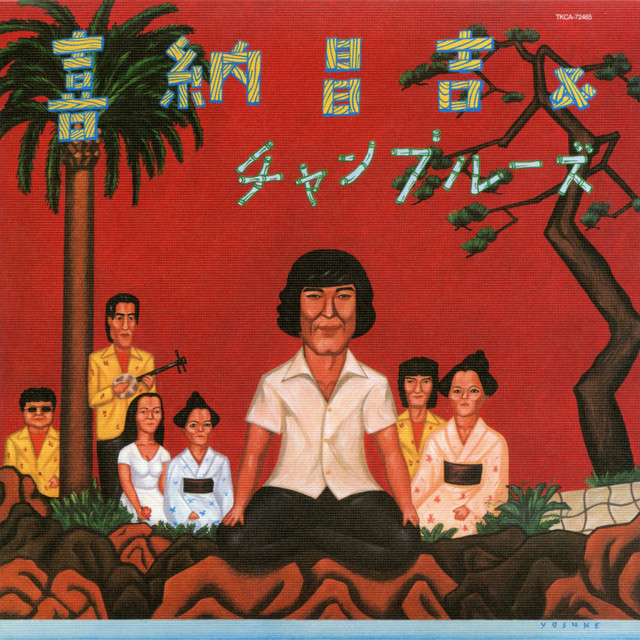
Shoukichi Kina & Champloose
郷土民謡大社中
我如古より子

親川遥

民謡研究会