Genre
sad rap
Top Sad rap Artists
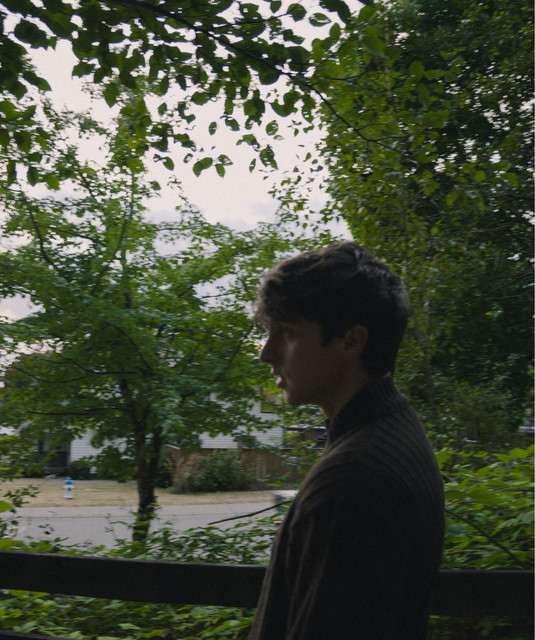
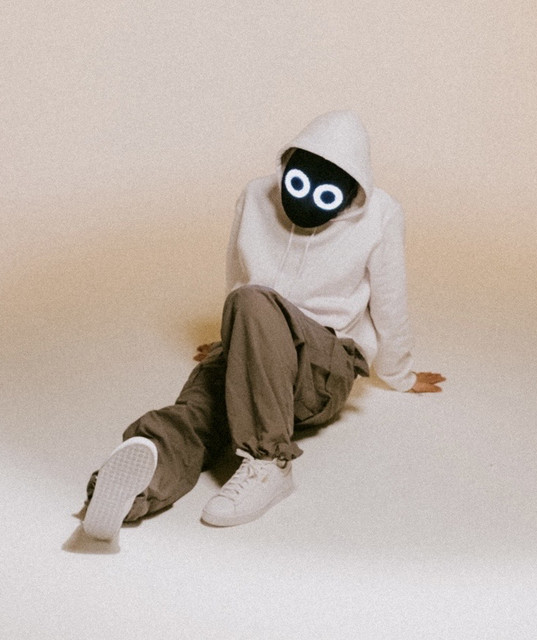
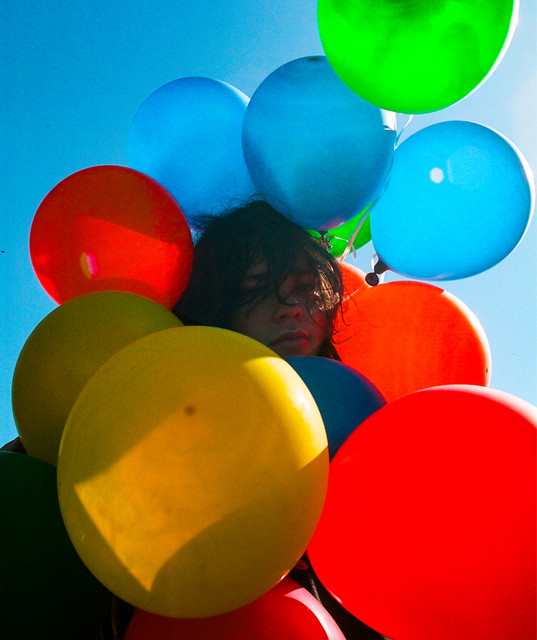
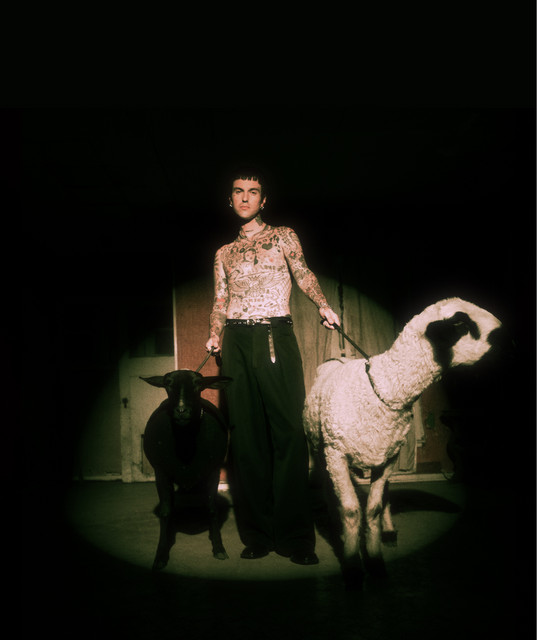
Showing 25 of 60 artists





About Sad rap
Sad rap is a subgenre of hip-hop that centers on emotional honesty, vulnerability, and melancholy mood. It blends introspective lyricism with melodic, often somber production, leaning into minor keys, spacious textures, piano or guitar motifs, and Auto-Tuned vocal lines. The result is a sound that feels intimate and fragile, yet framed within the rhythms and craft of contemporary rap. Think of it as a bridge between hip-hop storytelling and the expressive restraint of indie and emo music.
Origin and birth
The roots of sad rap stretch back to late 2000s hip-hop where artists like Kid Cudi began foregrounding mood and introspection in a way that blurred lines with rock and R&B. By the mid-2010s, a broader emo-tinged strand of rap emerged—often labeled emo rap or melancholic rap—built on the DIY energy of SoundCloud and streaming platforms. It was a reaction to hyper-competitive bravado and a push toward conveying personal pain, loneliness, and vulnerability in real time. The genre solidified its identity through a wave of releases between 2015 and 2018, as lo-fi beats, guitar loops, and melodic hooks became defining traits.
Production and sonic profile
Sad rap favors slower or mid-tempo grooves, soft or distorted guitar riffs, piano motifs, and atmospheric pads that create a hushed, intimate space. Vocals mingle rapped verses with sung refrains, frequently aided by Auto-Tune or other pitch-correction devices to emphasize emotion over vocal virtuosity. Lyrics often explore heartbreak, mental health, trauma, substance use, and existential worry, delivering a candid, confessional tone. The aesthetic can feel almost cinematic—like score music for a late-night drive—while maintaining the grit and immediacy of street-level storytelling.
Key artists and ambassadors
Several artists became emblematic voices of sad rap and helped carry it into broader awareness. Lil Peep’s blend of emo guitar, trap drums, and raw, lyrical melancholy positioned him as a central figure in the scene before his untimely death in 2017. XXXTentacion elevated the intensity of emotional confession with tracks like “Sad!” and “Jocelyn Flores,” combining aggression and vulnerability in equal measure. Juice WRLD became a bridge to mainstream audiences with guilt-free melodic raps about heartbreak and anxiety, exemplified by “Lucid Dreams” and subsequent releases. Trippie Redd, Lil Uzi Vert, and Night Lovell also became touchstones for fans who crave melodic sorrow paired with hard-hitting beat work. Beyond individual stars, the movement is supported by a broad community of artists across North America and Europe who experiment with melody, mood, and mental health discourse.
Geographic popularity
Sad rap remains most strongly rooted in the United States, but it has gained significant traction in parts of Europe, including the United Kingdom and France, where listeners respond to its emotional directness and melodic sensibilities. Latin America—especially Brazil and Mexico—has cultivated its own versions of the sound, often blending local slang, rhythms, and production textures. In Asia, scenes are smaller but growing, driven by international streaming platforms and cross-cultural collaborations. The genre’s universality lies in its willingness to articulate pain—an impulse that translates across borders even as regional flavors emerge.
In sum, sad rap is less about a fixed blueprint and more about a shared language of vulnerability—where the beat holds steady, and the lyrics spill the truth of a restless heart.
Origin and birth
The roots of sad rap stretch back to late 2000s hip-hop where artists like Kid Cudi began foregrounding mood and introspection in a way that blurred lines with rock and R&B. By the mid-2010s, a broader emo-tinged strand of rap emerged—often labeled emo rap or melancholic rap—built on the DIY energy of SoundCloud and streaming platforms. It was a reaction to hyper-competitive bravado and a push toward conveying personal pain, loneliness, and vulnerability in real time. The genre solidified its identity through a wave of releases between 2015 and 2018, as lo-fi beats, guitar loops, and melodic hooks became defining traits.
Production and sonic profile
Sad rap favors slower or mid-tempo grooves, soft or distorted guitar riffs, piano motifs, and atmospheric pads that create a hushed, intimate space. Vocals mingle rapped verses with sung refrains, frequently aided by Auto-Tune or other pitch-correction devices to emphasize emotion over vocal virtuosity. Lyrics often explore heartbreak, mental health, trauma, substance use, and existential worry, delivering a candid, confessional tone. The aesthetic can feel almost cinematic—like score music for a late-night drive—while maintaining the grit and immediacy of street-level storytelling.
Key artists and ambassadors
Several artists became emblematic voices of sad rap and helped carry it into broader awareness. Lil Peep’s blend of emo guitar, trap drums, and raw, lyrical melancholy positioned him as a central figure in the scene before his untimely death in 2017. XXXTentacion elevated the intensity of emotional confession with tracks like “Sad!” and “Jocelyn Flores,” combining aggression and vulnerability in equal measure. Juice WRLD became a bridge to mainstream audiences with guilt-free melodic raps about heartbreak and anxiety, exemplified by “Lucid Dreams” and subsequent releases. Trippie Redd, Lil Uzi Vert, and Night Lovell also became touchstones for fans who crave melodic sorrow paired with hard-hitting beat work. Beyond individual stars, the movement is supported by a broad community of artists across North America and Europe who experiment with melody, mood, and mental health discourse.
Geographic popularity
Sad rap remains most strongly rooted in the United States, but it has gained significant traction in parts of Europe, including the United Kingdom and France, where listeners respond to its emotional directness and melodic sensibilities. Latin America—especially Brazil and Mexico—has cultivated its own versions of the sound, often blending local slang, rhythms, and production textures. In Asia, scenes are smaller but growing, driven by international streaming platforms and cross-cultural collaborations. The genre’s universality lies in its willingness to articulate pain—an impulse that translates across borders even as regional flavors emerge.
In sum, sad rap is less about a fixed blueprint and more about a shared language of vulnerability—where the beat holds steady, and the lyrics spill the truth of a restless heart.