Genre
p funk
Top P funk Artists
Showing 25 of 28 artists








About P funk
P-Funk, short for Parliament-Funkadelic, is one of funk’s most expansive and influential ecosystems. It isn’t just a single style but a sprawling universe that blends hard-hitting groove, psychedelic rock textures, sci‑fi theater, and lush vocal harmonies into a cosmic, dance-floor-ready experience. Born out of the mid-1960s funk explosion and the vision of George Clinton, P-Funk drew its name from the two intertwined outfits he led: Parliament and Funkadelic.
Origins and birth of the sound
The seeds of P-Funk sit in the late 1960s, when James Brown’s raw funk energy and a new generation of Black American musicians collided with psychedelic experimentation. George Clinton steered Parliament and Funkadelic through the early 1970s, cultivating a dual approach: Parliament offered slick, radio-ready funk with theatrical showmanship, while Funkadelic pushed louder, guitar‑driven, more experimental and spacey rock-funk. By the mid‑1970s, the two ensembles had effectively fused their visions, and the term “P‑Funk” became a shorthand for that universe—grand concept albums, elaborate stage theatrics, and a signature, otherworldly groove.
Musical signature and aesthetic
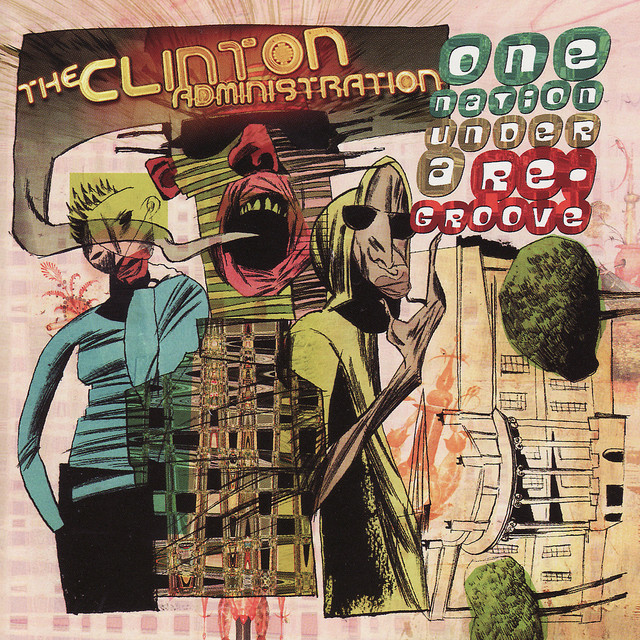
P-Funk’s sound is instantly recognizable: deep, elastic bass lines (often delivered by Bootsy Collins), buzzing clavinet and synthesizers (pioneered by Bernie Worrell), blazing guitars (Eddie Hazel’s legendary solos echo in many riffs), and a horn section that punches like a marching band. The arrangements mingle intricate vocal harmonies, call-and-response choruses, and extended grooves built for both listening and dancing. Lyrically and visually, P-Funk embraced Afro-futurism, space-age imagery, and funk‑as‑a‑movement philosophy, with iconic moments like the “Mothership” landings that became central stage spectacles in Parliament-Funkadelic concerts. Albums such as Parliament’s Mothership Connection (1975), Funkadelic’s Maggot Brain (1971) and One Nation Under a Groove (1978), and related projects defined and refined the P‑Funk template.
Key artists and ambassadors
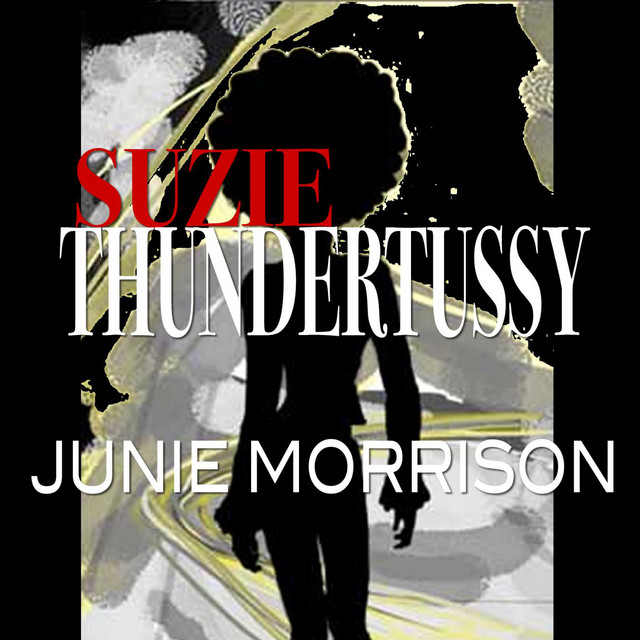
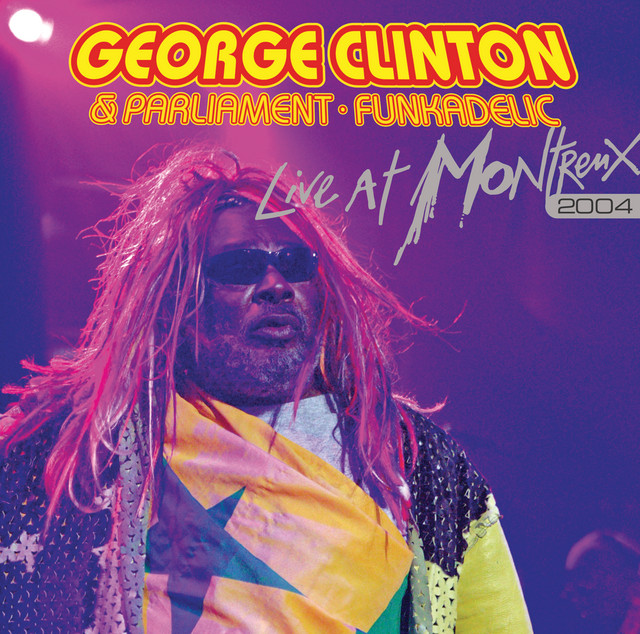
George Clinton is the godfather of P-Funk, the impresario whose concepts tied the music to a broader universe. Alongside him, core architects and performers include Bootsy Collins (bass), Bernie Worrell ( keyboards), Eddie Hazel (guitar), and the extended Funkadelic/Parliament roster that also featured Garry Shider, Dewayne “Catfish” Collins, and Junie Morrison at various points. The collaborations produced anthems like Flash Light (Parliament, with its iconic clavinet hook) and One Nation Under a Groove (a near‑spiritual manifesto wrapped in a funky groove). The influence extends to later generations and offs shoots—Bootsy’s Rubber Band, the Brides of Funkenstein, and a lineage that fed into hip-hop, neo-soul, and electronic music.
Global reach and legacy
P-Funk’s popularity remains strongest in the United States, where it originated, but its impact travels worldwide. In the United Kingdom, Europe, and beyond, P‑Funk and its techniques—groove-centric bass, spacey keyboards, and dense production—have inspired countless artists across funk, hip‑hop, and dance music. Hip‑hop producers have sampled its riffs for decades, helping keep the sound alive in new contexts. Beyond sound, P‑Funk’s theatricality and cosmic imagery have influenced genres and movements—spurring a lineage of artists who view music as a communal, immersive experience.
In short, P‑Funk is a legendary cultural and musical constellation: a lineage of grooves, visuals, and ideas that transformed funk into a panoramic, spacefaring art form and remains a touchstone for music enthusiasts who crave depth, invention, and danceable pulse.
Origins and birth of the sound
The seeds of P-Funk sit in the late 1960s, when James Brown’s raw funk energy and a new generation of Black American musicians collided with psychedelic experimentation. George Clinton steered Parliament and Funkadelic through the early 1970s, cultivating a dual approach: Parliament offered slick, radio-ready funk with theatrical showmanship, while Funkadelic pushed louder, guitar‑driven, more experimental and spacey rock-funk. By the mid‑1970s, the two ensembles had effectively fused their visions, and the term “P‑Funk” became a shorthand for that universe—grand concept albums, elaborate stage theatrics, and a signature, otherworldly groove.
Musical signature and aesthetic
P-Funk’s sound is instantly recognizable: deep, elastic bass lines (often delivered by Bootsy Collins), buzzing clavinet and synthesizers (pioneered by Bernie Worrell), blazing guitars (Eddie Hazel’s legendary solos echo in many riffs), and a horn section that punches like a marching band. The arrangements mingle intricate vocal harmonies, call-and-response choruses, and extended grooves built for both listening and dancing. Lyrically and visually, P-Funk embraced Afro-futurism, space-age imagery, and funk‑as‑a‑movement philosophy, with iconic moments like the “Mothership” landings that became central stage spectacles in Parliament-Funkadelic concerts. Albums such as Parliament’s Mothership Connection (1975), Funkadelic’s Maggot Brain (1971) and One Nation Under a Groove (1978), and related projects defined and refined the P‑Funk template.
Key artists and ambassadors
George Clinton is the godfather of P-Funk, the impresario whose concepts tied the music to a broader universe. Alongside him, core architects and performers include Bootsy Collins (bass), Bernie Worrell ( keyboards), Eddie Hazel (guitar), and the extended Funkadelic/Parliament roster that also featured Garry Shider, Dewayne “Catfish” Collins, and Junie Morrison at various points. The collaborations produced anthems like Flash Light (Parliament, with its iconic clavinet hook) and One Nation Under a Groove (a near‑spiritual manifesto wrapped in a funky groove). The influence extends to later generations and offs shoots—Bootsy’s Rubber Band, the Brides of Funkenstein, and a lineage that fed into hip-hop, neo-soul, and electronic music.
Global reach and legacy
P-Funk’s popularity remains strongest in the United States, where it originated, but its impact travels worldwide. In the United Kingdom, Europe, and beyond, P‑Funk and its techniques—groove-centric bass, spacey keyboards, and dense production—have inspired countless artists across funk, hip‑hop, and dance music. Hip‑hop producers have sampled its riffs for decades, helping keep the sound alive in new contexts. Beyond sound, P‑Funk’s theatricality and cosmic imagery have influenced genres and movements—spurring a lineage of artists who view music as a communal, immersive experience.
In short, P‑Funk is a legendary cultural and musical constellation: a lineage of grooves, visuals, and ideas that transformed funk into a panoramic, spacefaring art form and remains a touchstone for music enthusiasts who crave depth, invention, and danceable pulse.