Genre
pagode
Top Pagode Artists
Showing 25 of 1,227 artists









About Pagode
Pagode is a Brazilian music genre, a subgenre of samba. Born in Rio de Janeiro's neighborhoods in the late 1970s and early 1980s, pagode emerged from informal rodas de samba and private gatherings where friends sang, swapped percussion, and experimented with new ensembles. The name pagode comes from a Portuguese term for a casual party or get-together, and the music preserved that intimate, communal energy even as it gained listeners beyond the circle.
Early pioneers like Fundo de Quintal helped codify the sound. They expanded samba's palette with a more intimate string section, notably the cavaquinho and, in some lines, the banjo, and a percussion core built around pandeiro, tantã, repique de mão, surdos, and shakers. Their arrangements prioritized vocal harmonies and a swingy, groove-forward feel, laying the groundwork for the modern pagode aesthetic. Other early acts, including Grupo Raça, helped push a lyrical focus on social life, friendship, and love, leaving a durable imprint on the genre’s storytelling.
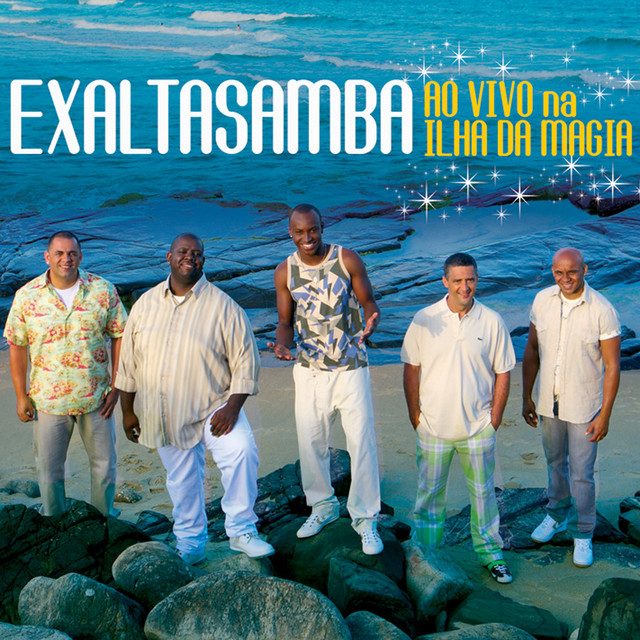
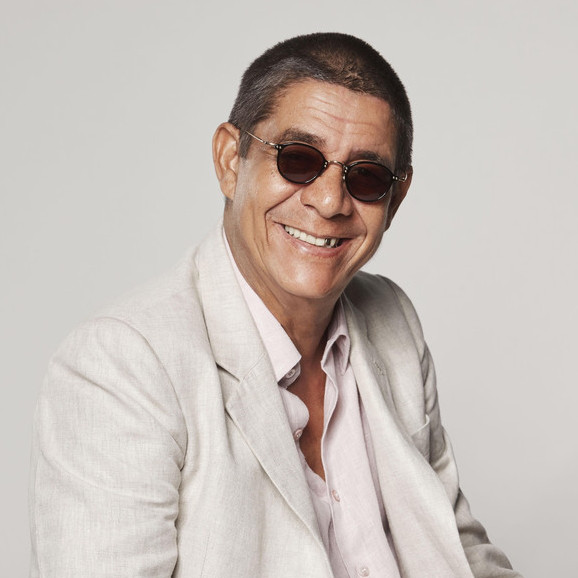
The 1990s saw pagode burst into the mainstream, especially in Rio and São Paulo, often under the umbrella of “pagode romântico” with lush melodies and accessible choruses. Groups such as Exaltasamba and Só Pra Contrariar became household names, turning intimate rodas into stadium-ready concerts. In this period, the tempo could still flex between samba’s percussive drive and ballad-like verses, but the emotional center moved toward romance, daily life, and the camaraderie of friends and families gathered for a singer’s night. Zeca Pagodinho became one of the genre’s most beloved ambassadors, mixing humor and urban authenticity while staying true to the pagode’s roots.
Instrumentation remains a hallmark of pagode: the samba rhythm underpinned by pandeiro, repique de mão, tantã, surdo; the shimmering accents of cavaquinho and guitar; and close, call-and-response vocal arrangements. The genre also diversified, with contemporary acts blending pop, funk, and MPB influences while preserving the signature groove and human-scale feeling that defines pagode.
Today pagode spans a spectrum—from classic-rooted, intimate performances to modern, high-energy productions by artists like Thiaguinho, Péricles, Sorriso Maroto, and many others who carry the tradition forward. The music remains deeply Brazilian in flavor, but its appeal travels with Brazil’s expansive music diaspora. It is most popular in Brazil—especially Rio de Janeiro and São Paulo—but also maintains a robust following in Portugal, parts of Europe, and among Brazilian communities abroad, including the United States and Japan.
If you value samba’s warmth, rhythmic play, and a vocalist-friendly, party-ready groove, pagode offers a vivid, crowd-pleasing doorway into Brazil’s contemporary urban samba tradition.
End.
Early pioneers like Fundo de Quintal helped codify the sound. They expanded samba's palette with a more intimate string section, notably the cavaquinho and, in some lines, the banjo, and a percussion core built around pandeiro, tantã, repique de mão, surdos, and shakers. Their arrangements prioritized vocal harmonies and a swingy, groove-forward feel, laying the groundwork for the modern pagode aesthetic. Other early acts, including Grupo Raça, helped push a lyrical focus on social life, friendship, and love, leaving a durable imprint on the genre’s storytelling.
The 1990s saw pagode burst into the mainstream, especially in Rio and São Paulo, often under the umbrella of “pagode romântico” with lush melodies and accessible choruses. Groups such as Exaltasamba and Só Pra Contrariar became household names, turning intimate rodas into stadium-ready concerts. In this period, the tempo could still flex between samba’s percussive drive and ballad-like verses, but the emotional center moved toward romance, daily life, and the camaraderie of friends and families gathered for a singer’s night. Zeca Pagodinho became one of the genre’s most beloved ambassadors, mixing humor and urban authenticity while staying true to the pagode’s roots.
Instrumentation remains a hallmark of pagode: the samba rhythm underpinned by pandeiro, repique de mão, tantã, surdo; the shimmering accents of cavaquinho and guitar; and close, call-and-response vocal arrangements. The genre also diversified, with contemporary acts blending pop, funk, and MPB influences while preserving the signature groove and human-scale feeling that defines pagode.
Today pagode spans a spectrum—from classic-rooted, intimate performances to modern, high-energy productions by artists like Thiaguinho, Péricles, Sorriso Maroto, and many others who carry the tradition forward. The music remains deeply Brazilian in flavor, but its appeal travels with Brazil’s expansive music diaspora. It is most popular in Brazil—especially Rio de Janeiro and São Paulo—but also maintains a robust following in Portugal, parts of Europe, and among Brazilian communities abroad, including the United States and Japan.
If you value samba’s warmth, rhythmic play, and a vocalist-friendly, party-ready groove, pagode offers a vivid, crowd-pleasing doorway into Brazil’s contemporary urban samba tradition.
End.