Genre
persian traditional
Top Persian traditional Artists
Showing 25 of 33 artists









About Persian traditional
Persian traditional, also known as Iranian classical music, is one of the oldest living musical traditions in the world. Its lineage stretches from the ancient Persian courts to the diverse countryside of the Iranian plateau, where poetry, spirituality and intricate melodic thinking have long walked hand in hand. The genre did not spring full-grown from a single moment; instead it evolved through centuries of courtly refinement, Sufi influence, and regional folk practices, reaching a more codified form by the early modern period.
At the heart of Persian traditional music is the radif, a vast, orally transmitted repertoire that organizes melodies into modal families called dastgahs. Each dastgah provides a scale, a mood, and a set of melodic patterns that performers improvise within. The tradition prizes subtle microtonal nuance and a deep sense of time and space, allowing a soloist or an ensemble to weave long, contemplative lines that breathe with the listener. Commonly cited dastgahs include Shur, Segah, Rast, Chahargah, Nava, Homayun, and Mahoor, among others. A great performance often unfolds as a conversation between vocalist and instrumentalist, with the voice floating over classical instruments like the tar and setar strings, the shimmering santur hammered or plucked in shimmering cascades, the soulful sound of the kamancheh, and the rhythmic complexity of the tombak or daf.
Historically, Persian traditional music found its mature voice in the royal courts and urban conservatories of Iran, where poets such as Hafez, Rumi and Omar Khayyam provided the literary backbone through ghazals and odes that are timelessly sung in this tradition. The 19th and early 20th centuries saw the radif codified and taught in a more standardized way, giving the genre a durable framework that could travel beyond borders. Even as political and social changes reshaped Iran, the core practice—balancing discipline, improvisation and deep emotional expression—remained remarkably consistent.
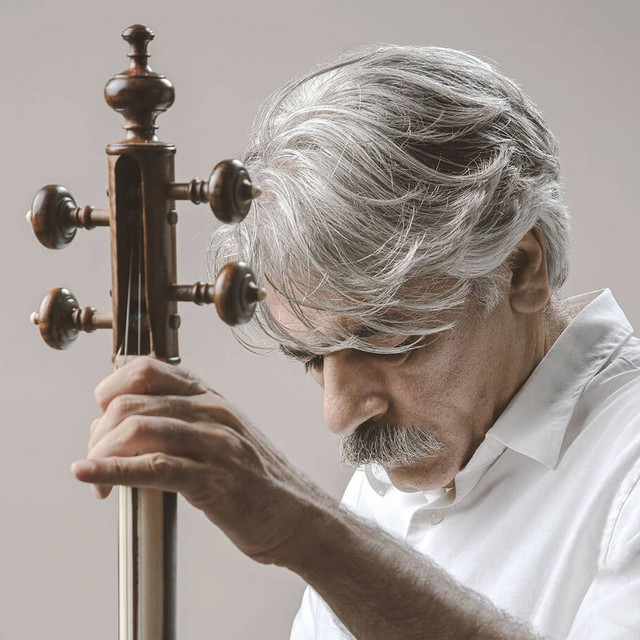
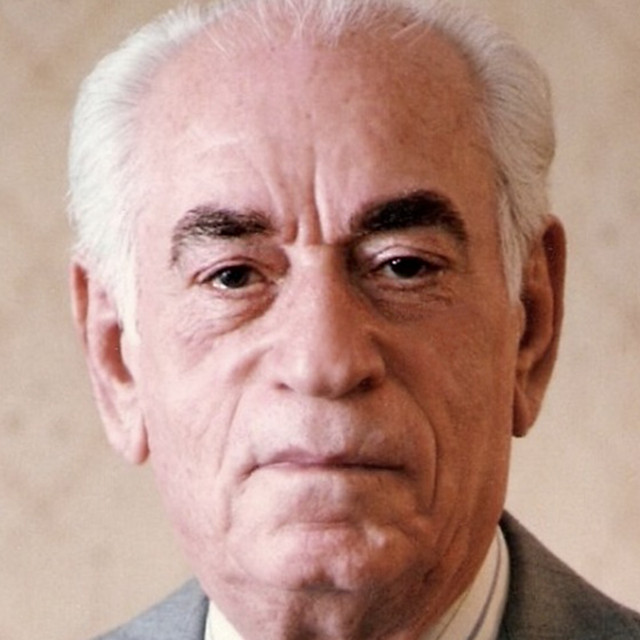
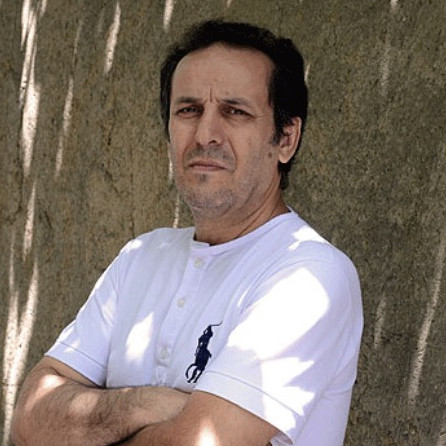
Key artists and ambassadors of Persian traditional music span generations and styles. Mohammad-Reza Shajarian is often held up as the quintessential ambassador of Iranian classical singing, renowned for his precise vocal technique and profound interpretive sensibility. His voice helped bring this repertoire to a global audience. On the instrumental side, Ali Akbar Shajarian and his son Homayoun Shajarian carrying the tradition forward through collaborative and contemporary projects. Shahram Nazeri, celebrated for his poetic devotion and expansive vocal range, helped popularize a more expansive, Sufi-inflected approach. International ambassadors include Kayhan Kalhor, a master of the kamancheh whose collaborations with Yo-Yo Ma’s Silk Road Ensemble brought Persian modal beauty into a global context, and a new generation of singers and instrumentalists from Iran and the diaspora, such as Alireza Ghorbani and Mehrdad Shokolay.
Persian traditional music remains most deeply rooted in Iran and among Persian-speaking communities in Afghanistan and Tajikistan, but its appeal travels with the Persian-speaking diaspora. In countries with vibrant cultural scenes—especially the United States, Canada, France, Germany and the United Kingdom—concerts, festivals and academic programs continually introduce new listeners to the intimate logic of dastgah and the emotional width of the radif.
- Notable figures to explore: Mohammad-Reza Shajarian, Shahram Nazeri, Homayoun Shajarian, Kayhan Kalhor, Ali Akbar Shajarian, Alireza Ghorbani.
- Core listening tip: focus on how a performance moves through a dastgah and how improvisation grows from within a modal frame, rather than following a fixed, Western verse-chorus structure.
At the heart of Persian traditional music is the radif, a vast, orally transmitted repertoire that organizes melodies into modal families called dastgahs. Each dastgah provides a scale, a mood, and a set of melodic patterns that performers improvise within. The tradition prizes subtle microtonal nuance and a deep sense of time and space, allowing a soloist or an ensemble to weave long, contemplative lines that breathe with the listener. Commonly cited dastgahs include Shur, Segah, Rast, Chahargah, Nava, Homayun, and Mahoor, among others. A great performance often unfolds as a conversation between vocalist and instrumentalist, with the voice floating over classical instruments like the tar and setar strings, the shimmering santur hammered or plucked in shimmering cascades, the soulful sound of the kamancheh, and the rhythmic complexity of the tombak or daf.
Historically, Persian traditional music found its mature voice in the royal courts and urban conservatories of Iran, where poets such as Hafez, Rumi and Omar Khayyam provided the literary backbone through ghazals and odes that are timelessly sung in this tradition. The 19th and early 20th centuries saw the radif codified and taught in a more standardized way, giving the genre a durable framework that could travel beyond borders. Even as political and social changes reshaped Iran, the core practice—balancing discipline, improvisation and deep emotional expression—remained remarkably consistent.
Key artists and ambassadors of Persian traditional music span generations and styles. Mohammad-Reza Shajarian is often held up as the quintessential ambassador of Iranian classical singing, renowned for his precise vocal technique and profound interpretive sensibility. His voice helped bring this repertoire to a global audience. On the instrumental side, Ali Akbar Shajarian and his son Homayoun Shajarian carrying the tradition forward through collaborative and contemporary projects. Shahram Nazeri, celebrated for his poetic devotion and expansive vocal range, helped popularize a more expansive, Sufi-inflected approach. International ambassadors include Kayhan Kalhor, a master of the kamancheh whose collaborations with Yo-Yo Ma’s Silk Road Ensemble brought Persian modal beauty into a global context, and a new generation of singers and instrumentalists from Iran and the diaspora, such as Alireza Ghorbani and Mehrdad Shokolay.
Persian traditional music remains most deeply rooted in Iran and among Persian-speaking communities in Afghanistan and Tajikistan, but its appeal travels with the Persian-speaking diaspora. In countries with vibrant cultural scenes—especially the United States, Canada, France, Germany and the United Kingdom—concerts, festivals and academic programs continually introduce new listeners to the intimate logic of dastgah and the emotional width of the radif.
- Notable figures to explore: Mohammad-Reza Shajarian, Shahram Nazeri, Homayoun Shajarian, Kayhan Kalhor, Ali Akbar Shajarian, Alireza Ghorbani.
- Core listening tip: focus on how a performance moves through a dastgah and how improvisation grows from within a modal frame, rather than following a fixed, Western verse-chorus structure.